
First Time in Paris? 15 Insider Tips That Will Transform Your Trip
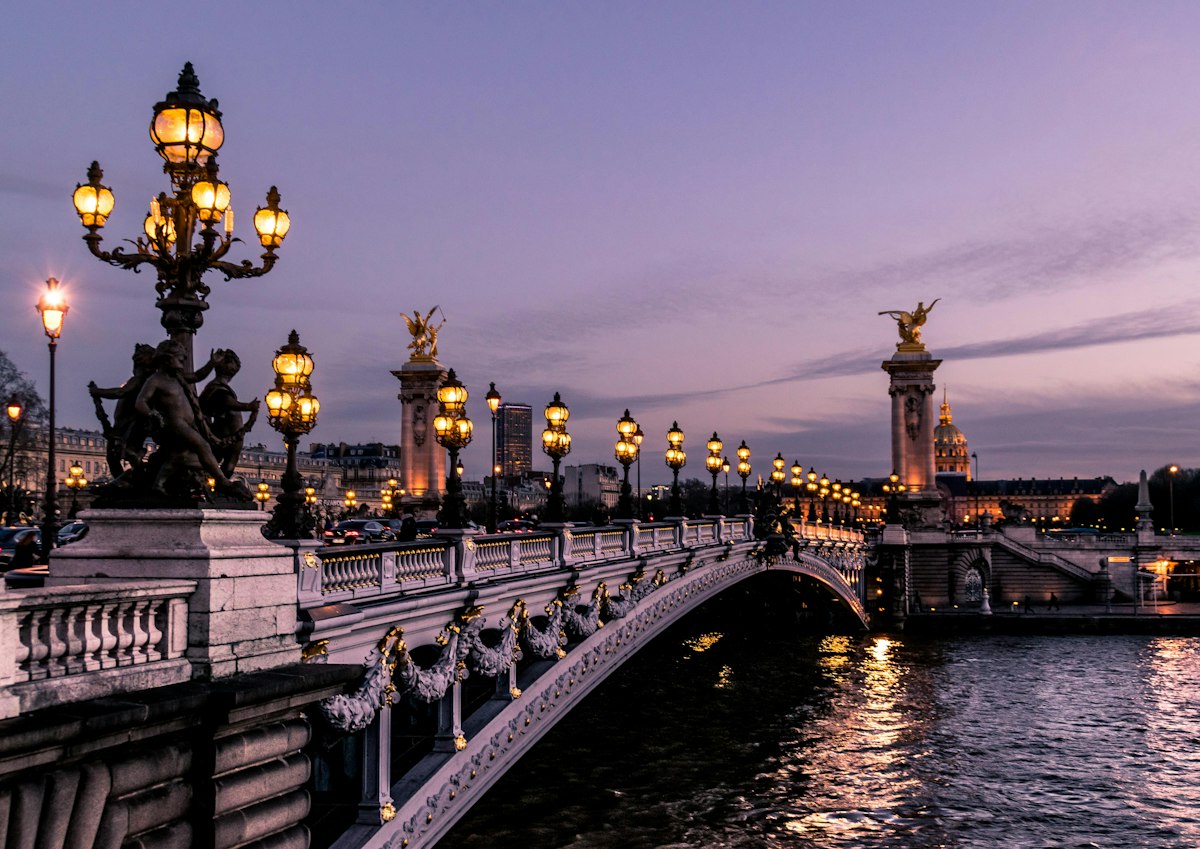
You’ve seen the photos a thousand times — the Eiffel Tower at golden hour, macarons in pastel windows, couples kissing on cobblestoned bridges. And yet, when you finally land at Charles de Gaulle, something feels… off. The streets are louder than expected. Everyone seems to know exactly where they’re going. And you’re standing on the pavement, Google Maps spinning, wondering if you’ve somehow ended up in a different Paris entirely.
Sound familiar? Don’t worry — we’ve all been there. Paris is a city that rewards those who know how to read between the lines. This guide will hand you that decoder ring.
When to go — and when to stay home

Paris in July sounds romantic until you’re sweating through a 40-minute queue at the Musée d’Orsay. The sweet spots are mid-April to early June and September to October — mild weather, thinner crowds, and the city draped in either cherry blossoms or amber leaves.
Book the Louvre for a Wednesday or Friday evening slot — it’s open until 9:45 PM and attendance drops by up to 60% compared to weekend mornings.
The neighborhoods that actually define Paris
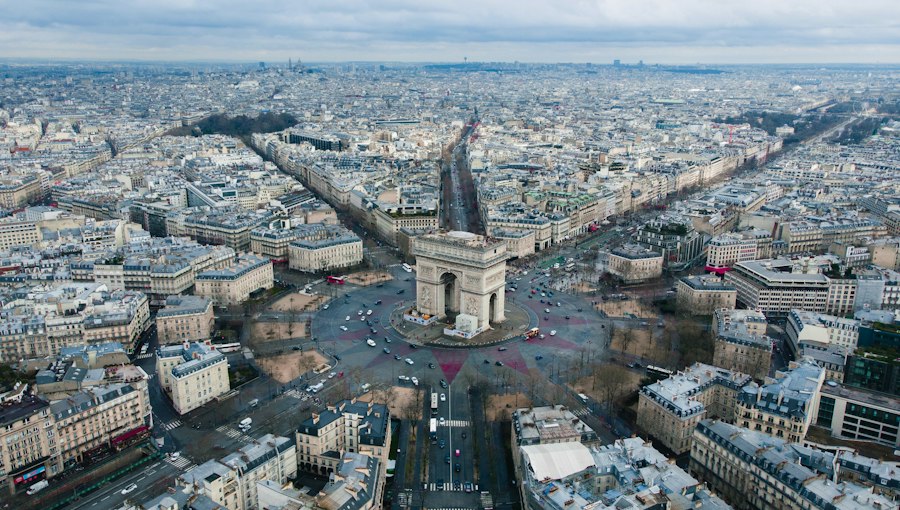
Forget the Champs-Élysées for anything other than a photo. The real Paris lives in its arrondissements. Le Marais (3rd/4th) is the place for vintage shops, falafel on Rue des Rosiers, and the Centre Pompidou. Montmartre (18th) gives you the artistic bohemian spirit — though go early morning before tour groups arrive at Sacré-Cœur.
For day-to-day Parisian life, spend a morning in Canal Saint-Martin (10th) — grab a coffee at Ten Belles, watch locals jog along the canal, and browse the independent bookshops that line the water.
“I skipped the Eiffel Tower on day one and spent the afternoon in Belleville instead. I found a courtyard with street art, bought wine from a corner cave, and had a 45-minute conversation with a retired painter. That became my favorite Paris memory.” — Sarah, UK
Getting around without losing your mind
The Paris Métro is fast, cheap, and covers virtually everywhere you need to go. Buy a carnet of 10 tickets (or load the Navigo Liberté+ card on your phone via the RATP app) and you’re set. Taxis are expensive; Uber is slightly cheaper but still not worth it for short hops.
For the Seine crossings and longer distances, the Vélib’ bike share system is surprisingly underused by tourists — and it’s an incredible way to see the city. A 30-minute slot costs just €1.
The Paris Museum Pass (2, 4, or 6 days) covers 50+ venues including Versailles and the Louvre. Do the math before you buy — if you plan to visit 3+ major sites, it almost always pays off.
Eating like a Parisian (without the tourist markup)
The golden rule: never eat on a major square. Restaurants ringing the Place du Tertre or Notre-Dame charge 2–3x market rate for half the quality. Walk two blocks in any direction and the scene changes entirely.
Order the formule at lunch — typically a two-course or three-course set menu for €14–22 at restaurants that charge double that in the evening. This is what office workers do, and it’s the best-value meal in the city.
Boulangerie culture is alive and very real. Join the morning queue at any neighborhood bakery at 7:30 AM. A perfect croissant costs around €1.30 and will ruin all future croissants for you.
Common mistakes first-timers make
Trying to see everything in 3 days — Paris is not a checklist. Booking a hotel near the Eiffel Tower — it’s pretty from afar but the surrounding area is overpriced and underwhelming. Avoiding French entirely — even a stumbled “bonjour” and “merci” goes a long way. Parisians appreciate the effort enormously.
And finally: don’t rush. The city’s greatest moments happen when you’re doing nothing in particular — sitting at a zinc bar, watching life flow past a rain-streaked window with a glass of Côtes du Rhône.
Ready to plan your Paris trip?
Save this guide, share it with your travel partner, and drop your biggest Paris question in the comments below — we answer every single one.