
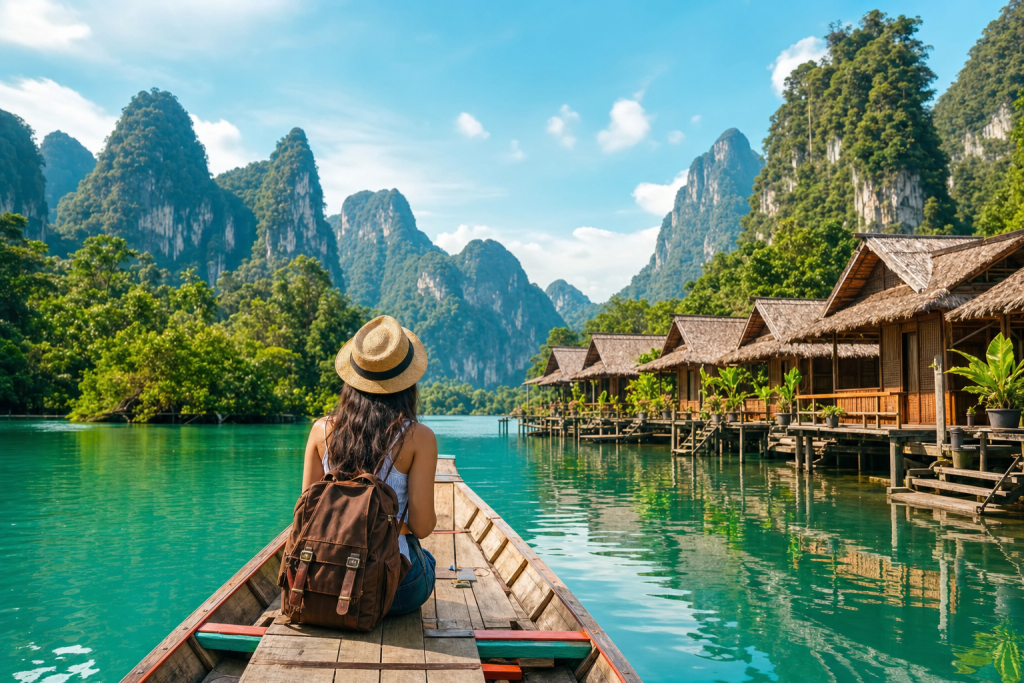
Most travelers think Southeast Asia is “done.” They’ve seen the Instagram photos of Bali rice terraces, Halong Bay cruise ships lined bumper to bumper, and Chiang Mai temples packed with tour groups. What they haven’t seen are the places where you’re the only foreigner at the morning market — where guesthouses cost $8/night and the food is better than anything on Khao San Road. The hidden gems Southeast Asia 2026 travelers are discovering aren’t secret. They’re just not on the standard itinerary yet.
That window is closing. Fast.
These 10 destinations earned their spot on this list because they’re genuinely affordable, genuinely uncrowded, and — honestly — genuinely better experiences than the places that made them famous. Here’s where to go before everyone else figures it out.
Why These Hidden Gems Beat Southeast Asia’s Tourist Traps
The most popular destinations in Southeast Asia have a problem: they’ve optimized for tourists, not for travel. That means inflated prices, scripted experiences, and crowds that make a quiet sunrise impossible. Budget backpacking Southeast Asia used to mean discovering something real. These 10 places still deliver that.
None require serious logistics. Most are reachable within a few hours of a major hub. All have solid guesthouse infrastructure under $20/night. And every single one offers a reason to stay longer than you planned.
10 Hidden Gems in Southeast Asia 2026: The Full List
1. Kampot, Cambodia
Siem Reap gets all the attention, but Kampot is where people actually stay. It sits on a slow river with views of Bokor Mountain and a French colonial town center that hasn’t been renovated into a theme park yet. Pepper farms surround the town — the kind you can walk through for free.
Best time to visit: November to February.
Budget tip: Guesthouses $6–$14/night. Full meal with a craft beer under $5. Bicycle rental $2/day.
Getting there: 3-hour bus from Phnom Penh, about $6.
2. Pu Luong, Vietnam
Everyone goes to Sapa. Pu Luong is what Sapa used to be — terraced rice fields cascading down limestone mountains, ethnic minority villages, and guesthouses built on stilts over streams. It’s just 4 hours from Hanoi and barely appears on most itineraries.
Best time to visit: September–October for golden rice season, May–June for green terraces and fewer visitors.
Budget tip: Eco-lodges and homestays from $15–$30/night (most include breakfast). Motorbike rental $8–$12/day.
Getting there: Bus from Hanoi to Mai Chau (4 hours, $8), then 30-minute motorbike taxi to Pu Luong.
3. Phong Nha, Vietnam
The cave system here is the largest in the world. Not the most famous — the largest. Son Doong alone could fit a Manhattan city block inside it. Phong Nha town is small, affordable, and hasn’t been overrun yet despite the caves being genuinely world-class.
Best time to visit: February to August. Some caves close October–November due to flooding.
Budget tip: Guesthouses in town from $10–$18/night. Paradise Cave entry around $20 — worth it.
Getting there: Bus or train to Dong Hoi, then 45-minute transfer to Phong Nha.
4. Si Phan Don (4,000 Islands), Laos
Don Det and Don Khon sit in the Mekong river and operate on a schedule that can best be described as “whenever.” Hammocks, Irrawaddy dolphins, and a waterfall system that makes Niagara look understated. The electricity goes off at 10pm on some islands. That’s a feature, not a bug.
Best time to visit: November to May.
Budget tip: Bungalows $4–$12/night. Bicycle rental $1–$2/day. River fish meals $2–$3.
Getting there: Bus from Pakse (3 hours, $5), then short boat crossing to the islands.
5. Pai, Northern Thailand
Pai shows up on lists occasionally, but the travelers who find it tend to stay for weeks instead of days. Cooler mountain climate, a laid-back main street, hot springs, and canyon hikes within 30 minutes of town.
Best time to visit: November to February for cool, dry weather.
Budget tip: Guesthouses from $8–$15/night. Motorbike rental $7–$10/day.
Getting there: 3-hour minivan from Chiang Mai, about $5. The road has 762 curves — sit in the front if you get carsick.
6. Koh Rong Samloem, Cambodia
Skip Koh Rong — the party island. Samloem is just 45 minutes by ferry from Sihanoukville and operates on a different planet. Bioluminescent plankton in the bay at night, white sand beaches with almost no development, and jungle bungalows that actually maintain the surrounding forest.
Best time to visit: November to April. Avoid monsoon season — boat service gets spotty.
Budget tip: Bungalows from $8–$20/night. Bring cash — connectivity is still limited.
Getting there: Ferry from Sihanoukville, $8–$12 roundtrip. Journey takes about 45 minutes.
7. Battambang, Cambodia
Cambodia’s second city gets overlooked because Angkor Wat is 3 hours away and everyone’s in a hurry to get there. That’s a mistake. Battambang has the best-preserved French colonial architecture in the country, a functioning bamboo railway, and a circus school — Phare Ponleu Selpak — that puts on shows that are genuinely extraordinary.
Best time to visit: November to March.
Budget tip: Guesthouses from $8–$15/night. Bamboo train $5. Phare circus tickets $15–$18 (supports arts education for at-risk youth).
Getting there: Bus from Phnom Penh (5–6 hours, $7–$10).
8. Siquijor Island, Philippines
Off-beaten-path destinations in the Philippines usually require connections and planning. Siquijor is the exception — one short ferry ride from Dumaguete. The island is famous for faith healers, impossibly clear water, and a general reputation as “the weird one” in the best way.
Best time to visit: March to May.
Budget tip: Guesthouses from $12–$20/night. Motorbike rental $8–$10/day — essential for the island’s best spots. Street food under $3.
Getting there: Fly to Dumaguete (Cebu Pacific from Manila, $30–$50). Ferry to Siquijor takes 1 hour, under $4.
9. Vang Vieng, Laos
Vang Vieng had a decade of being infamous for the wrong reasons. That era is over. What remains is extraordinary scenery — karst limestone mountains reflecting in the Nam Song River — with infrastructure that actually works now. The Blue Lagoons cost $1–$2 to enter. Hot air balloon at sunrise: $80 and worth it.
Best time to visit: October to April.
Budget tip: Guesthouses from $8–$18/night. Most activities under $15.
Getting there: 4-hour bus from Vientiane or 4-hour bus from Luang Prabang.
10. Muang Ngoi Neua, Laos
No road access. Electricity from a generator that runs a few hours a day. Limestone karsts rising straight out of the Nam Ou river. Muang Ngoi is the Laos that existed before the tourist infrastructure caught up — and because you can only arrive by boat, it’s stayed that way.
Best time to visit: October to April.
Budget tip: Bungalows from $4–$8/night. Meals average $2–$4. Run on cash — bring what you need before boarding the boat.
Getting there: Slow boat from Nong Khiaw (1.5 hours, about $4). Nong Khiaw is reachable by minibus from Luang Prabang in 4 hours.
Common Mistakes Budget Travelers Make in Southeast Asia
❌ Booking only the popular hubs and skipping the transit towns. Luang Prabang, Hoi An, and Ubud are good. But the towns between them — Nong Khiaw, Hue old quarter, Amed — are often better and always cheaper. Skipping this layer is the #1 reason people leave Southeast Asia thinking it was “getting touristy.”
❌ Moving too fast to save on accommodation. Budget accommodation in Southeast Asia rewards longer stays. Three nights at a guesthouse unlocks negotiated rates, staff who actually help you, and the kind of local knowledge you can’t buy.
❌ Ignoring shoulder season to avoid rain. A 2-hour afternoon thunderstorm is not a travel day ruined. Shoulder season (May–June and September–October) offers 30–50% lower prices and crowds that disappear. Bring a light rain jacket and stop treating rain like a crisis.
Budget Travel Tips for 2026 Southeast Asia
- Book overland transport first, flights second. The bus and train networks in Vietnam, Laos, Cambodia, and Thailand are extensive, cheap, and often more scenic. Treat overland as the journey, not just the connection.
- Use local SIM cards immediately on arrival. Buy at the airport — usually $5–$10 for 30 days of data. Opens up local apps (Grab, Gojek, local food delivery) that make logistics significantly cheaper.
- Carry a solid portable charger. Power cuts happen in remote areas. A compact power bank rated at 10,000–20,000mAh covers two phone charges.
- Eat where the locals eat — not where the English menu is laminated. In every destination on this list, the best food is within 200 meters of the guesthouse and costs under $3.
- Pack light with a good 40L backpack. Bus-to-ferry-to-motorbike transport is how you reach these places. Big luggage is a liability.
The Best Hidden Gems in Southeast Asia in 2026 Are Still Waiting
None of these places are secret. They’re just underbooked. The travelers who find them come back and talk about them the same way — “We almost skipped it” followed by “We ended up staying a week.”
That’s the signature of a real hidden gem in Southeast Asia in 2026: it earns more time than you gave it. Get off the main circuit, slow down, and let the place surprise you.
The best hidden gem is the one you actually book.
Disclosure: This post contains affiliate links including Amazon Associates and GetYourGuide partner links. If you book or purchase through our links, we may earn a small commission at no extra cost to you.