
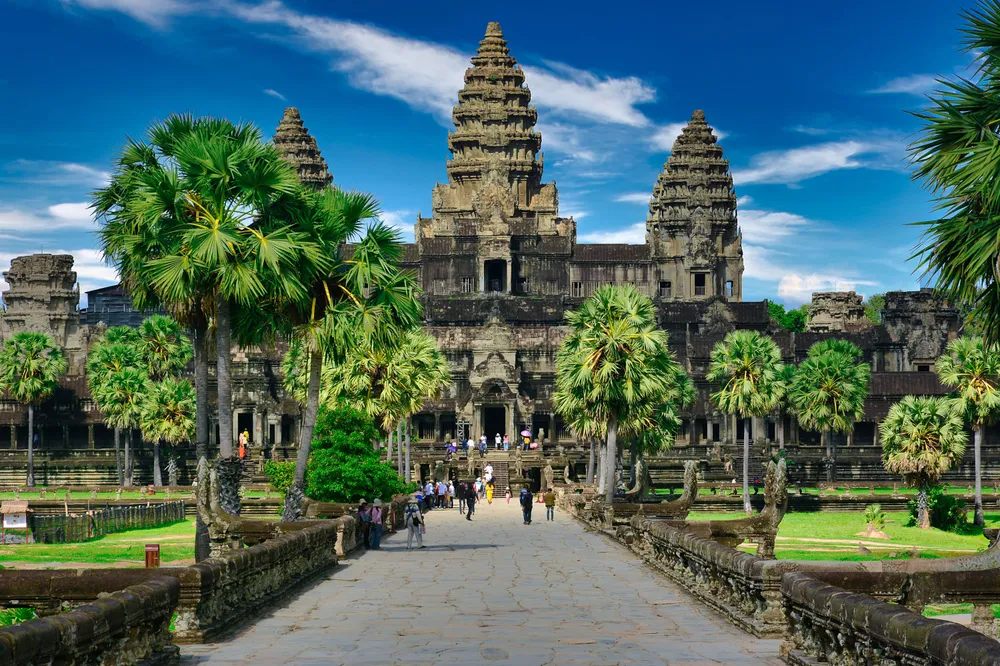
Discovering Angkor: A Journey Through Time
Angkor, the heart of the ancient Khmer Empire, is a monumental testament to the architectural genius and spiritual ambition of its creators. Nestled in the lush landscapes of Cambodia, Angkor is not just a site to visit but an experience to be fully immersed in. If you truly wish to uncover the layers of history and spirituality that Angkor holds, a stay of at least a week is essential. This expansive complex of preserved temples tells stories of powerful kings and an intricate blend of Hinduism and Buddhism, all waiting to be explored.
Why Visit Angkor?
Angkor is one of the most important archaeological sites in Southeast Asia, and its significance is recognized worldwide. The temples are more than just remnants of the past; they are living symbols of religious and cultural synthesis. Angkor Wat, the crown jewel of the complex, is a stunning architectural representation of the Hindu universe, designed to mimic Mount Meru, the center of the universe in Hindu and Buddhist cosmology. Surrounding this are the Cosmic Oceans, symbolized by the moat that encircles the temple complex.
The site showcases a unique blend of Hindu and Buddhist art, with statues of deities like Shiva and Vishnu, alongside representations of Buddha. Visitors will find the multi-headed Naga serpent guarding temple entrances, symbolizing protection and spirituality. It’s this fusion of elements that makes Angkor a fascinating destination for historians, art lovers, and spiritual seekers alike.
Beyond the religious and architectural grandeur, Angkor is also a place where nature and history intertwine beautifully. Temples like Ta Prohm, where massive tree roots snake through ancient stone, highlight the relentless passage of time in a visual symphony of nature reclaiming history. Each structure, whether the serene faces of Bayon or the intricate carvings at Banteay Srey, offers a glimpse into the historical narrative of the Khmer Empire.
Understanding the Site: What to Know Before You Go
The Angkor complex stretches across 400 square kilometers, including forested areas and the well-known Angkor Archaeological Park. With so much to see, planning your visit is crucial. The site is open from 5:00 AM to 6:00 PM daily, allowing ample time to explore. However, due to the vast size, it’s important to prioritize which temples and areas you wish to visit.
Entrance fees are divided into one-day ($37), three-day ($62), and seven-day ($72) passes. While a single day might suffice for a quick glimpse at the main attractions, a longer pass is advisable for those wanting to explore deeper without feeling rushed. These tickets can be purchased at the official ticket office, located on the road to Angkor Wat, approximately 4 kilometers from Siem Reap.
Dress code is another important consideration. As Angkor is a sacred site, visitors are required to dress modestly. This means covering shoulders and knees, and avoiding sleeveless shirts and shorts. Failure to adhere to these guidelines may result in being denied entry to certain temples. Additionally, consider bringing a hat, sunscreen, and plenty of water to manage the heat and humidity.
Diving Deeper into Angkor
The Spiritual and Historical Significance
Dating back to the early 12th century, Angkor Wat was originally constructed as a Hindu temple dedicated to Vishnu but gradually transformed into a Buddhist site by the end of that century. This transformation reflects the cultural and religious shifts of the Khmer Empire. The bas-reliefs and celestial dancers carved into the walls of Angkor Wat depict stories from Hindu mythology, including the famous “Churning of the Ocean of Milk.”
The enigmatic faces of Bayon Temple, built in the late 12th to early 13th century, are thought to depict King Jayavarman VII, who commissioned the temple. These serene visages face in all four cardinal directions, symbolizing the omnipresence of the king and the compassionate gaze of Avalokiteshvara, the Bodhisattva of Compassion.
Ta Prohm, left in much the same condition in which it was found, provides a picturesque view of the power of nature. This temple is renowned for the giant trees that have grown intertwined with the stone ruins, offering a glimpse of what the early explorers might have encountered.
Exploring the Diverse Temples
While Angkor Wat and Bayon are often the primary attractions, the complex is home to numerous other temples each with its distinctive character. Banteay Srey, often referred to as the “Citadel of Women,” is decorated with elaborate carvings in red sandstone, believed to be the work of women artisans due to the intricate detail.
Beng Mealea is another gem, situated further afield from the main cluster of temples. Often less crowded, it offers the opportunity to explore its ruins in peace. Its layout is similar to Angkor Wat, although much of the temple is in ruin, providing a hauntingly beautiful look at the impermanence of human creations.
Preah Khan, another significant temple, offers a sprawling maze of passages and impressive carvings. It was originally a Buddhist temple, but Hindu elements are also present, illustrating the dual religious influences in Angkor.
Comparison of Entrance Passes
| Pass Type | Price (USD) | Duration | Best For |
|---|---|---|---|
| One-Day Pass | $37 | 1 Day | Quick visits, tight schedules |
| Three-Day Pass | $62 | 3 Days | In-depth exploration, balanced schedule |
| Seven-Day Pass | $72 | 7 Days | Comprehensive visit, no rush |
Practical Checklist for Visiting Angkor
- Plan your visit during the cooler months between November and March to avoid the intense heat.
- Purchase your Angkor pass at the official ticket center before heading to the site.
- Dress modestly to ensure entry to all temples, and bring a hat for sun protection.
- Hire a knowledgeable local guide or rent a bicycle for a more personal exploration.
- Carry a refillable water bottle to stay hydrated while exploring the site.
- Use insect repellent to protect against mosquitoes, especially if visiting during the rainy season.
- Beware of unofficial guides seeking payment; arrange for guide services through reputable sources.
- Start your day early to catch the sunrise over Angkor Wat and avoid crowds.
The Bottom Line
Angkor is not only a destination but a journey through time and culture. Its intricate temples, steeped in spirituality and history, offer a unique window into the past. Whether you’re marveling at the sunrise over Angkor Wat or wandering through the mystical ruins of Ta Prohm, the experience is sure to leave an indelible mark on your travels. By preparing adequately and choosing the right time and pass for your visit, you can make the most of your journey through this majestic archaeological wonder.
Book Unforgettable Tours & Experiences
Skip the tourist traps. GetYourGuide connects you with top-rated local guides and hand-picked activities — with free cancellation on most bookings.
Disclosure: This post contains affiliate links. We may earn a commission at no extra cost to you.