

- A hostel-and-street-food budget in Vietnam runs $25-$45 per day in 2026
- Private rooms and guided tours push daily costs to $55-$75
- Dorm prices in Hoi An and Da Nang have risen with returning tourist numbers
- Sleeper buses, SIM/eSIM data, and neighborhood choice can swing daily spend by $10-$15
How Much Does Backpacking Vietnam Actually Cost in 2026?
A realistic backpacking budget for Vietnam in 2026 lands between $25 and $45 per day for a hostel-and-street-food traveler, and closer to $55-$75 per day if you want private rooms and the occasional guided tour. Vietnam remains one of the cheapest countries to travel in Southeast Asia, but “cheap” has crept upward over the past two years as tourist numbers have rebounded and dorm prices in hotspots like Hoi An and Da Nang have climbed noticeably.
The tricky part of planning a Vietnam budget isn’t finding a number — every blog has one — it’s understanding which specific costs move the needle. Sleeper buses, SIM/eSIM data, and the accommodation gap between the Old Quarter and quieter districts can swing your daily spend by $10-$15 without you noticing. This guide breaks down the real 2026 numbers by category, so you can build a budget that matches your actual route rather than a generic “$30 a day” headline.
Whether you’re doing the classic Hanoi-to-Ho Chi Minh City run over three weeks or focusing on one region like the north or the south, the cost drivers are the same: where you sleep, how you move between cities, what tier of street food versus restaurant you eat, and how many paid activities (Ha Giang Loop tours, Halong Bay cruises, cooking classes) you stack into the itinerary.
What Are the Biggest Cost Drivers for a Vietnam Backpacking Trip?
The three expenses that determine whether you spend $25 or $50 a day are accommodation tier, inter-city transport choice, and how often you eat at restaurants versus street stalls. Everything else — coffee, snacks, laundry, museum entries — is small change by comparison.
Accommodation is the single biggest lever. Hostels in Vietnam typically cost between $2 and $113 per night for a dorm bed, with average prices often hovering around $6, while private rooms generally range from $5 to $233 per night, averaging around $30. That’s a huge range, and location matters enormously: hostels in Ho Chi Minh City cost around $3 per dorm bed and $23 per private room per night on average, while a dorm in Hanoi averages closer to $6 and a private room around $45. Beach and resort towns like Da Nang and Hoi An run noticeably higher than the two big cities.
Transport is the second lever, and it’s where new backpackers most often overspend or underspend without realizing it. Sleeper buses are Vietnam’s cheapest long-distance option, typically 250,000-600,000 VND ($10-25), with reclining pods, AC, and a shoes-off policy. But long routes of 10-15 hours, like Hanoi to Hue or Ho Chi Minh City to Nha Trang, run $20-35 USD, and the full north-south run is a different animal entirely — a Hanoi to Ho Chi Minh City sleeper bus takes 35 to 38 hours and costs between 750,000 VND and 1,100,000 VND depending on bus type.
Food is the lever you actually control day to day. A traveler who eats almost exclusively street food can spend a fraction of what someone eating at tourist-facing restaurants spends, and the gap compounds over a two- or three-week trip. This is also where neighborhood matters: Hanoi’s Old Quarter tends to have the highest street food prices due to its popularity with tourists, with a bowl of pho costing 40,000-50,000 VND there compared to 25,000-35,000 VND in local neighborhoods.

Vietnam Daily Cost Breakdown: Real 2026 Prices by Category
Below is a per-item cost table covering the core expenses a backpacker faces daily, verified against current listings and official fee schedules. Prices are shown in Vietnamese Dong (VND) and approximate USD.
| Item | Typical Cost (VND) | Typical Cost (USD) | Notes |
|---|---|---|---|
| Hostel dorm bed (HCMC) | ~70,000 VND | ~$3 | Average across Ho Chi Minh City listings |
| Hostel dorm bed (Hanoi) | ~140,000 VND | ~$6 | Old Quarter hostels often priced higher |
| Private hostel room (avg. country-wide) | ~700,000 VND | ~$30 | Ranges from $5 to $233 depending on city/season |
| Street food meal (pho, banh mi) | 20,000-50,000 VND | $0.80-$2.00 | Higher in Old Quarter/District 1 tourist zones |
| Mid-range restaurant dish | 80,000-180,000 VND | $3-$7 | Sit-down local restaurant, not fine dining |
| Sleeper bus, short route (3-5 hrs) | 160,000-280,000 VND | $7-$12 | E.g. Ho Chi Minh City to Mui Ne |
| Sleeper bus, long route (10-15 hrs) | 470,000-820,000 VND | $20-$35 | E.g. Hanoi to Hue |
| E-visa (single entry, 90 days) | ~625,000 VND | $25 | Official government fee, apply directly online |
| Tourist eSIM (5-10GB, ~2 weeks) | ~225,000-450,000 VND | $9-$18 | Fixed-data plans; local Viettel SIM can be cheaper in-country |
How we calculated: Accommodation figures verified July 2026 via Hostelz.com’s Vietnam price aggregator and city-specific pages for Hanoi and Ho Chi Minh City. Sleeper bus fares verified via Vietnam Tourism’s 2026 sleeper bus guide and cross-checked against route-specific operator pricing. Visa fees verified via the official e-visa fee structure reported by multiple visa service providers citing the Vietnam Immigration Department’s fixed government rate. Food prices verified via Vietnam food guides tracking 2026 street and restaurant pricing. eSIM pricing verified via Vietnam eSIM 2026 provider comparisons.
Hostel or Private Room? A Realistic Look at the Trade-off
For most solo backpackers, a hostel dorm is the better financial choice, saving $20-$40 per night compared to a private room across a multi-week trip — but the math changes for couples and for anyone prioritizing sleep quality on a long trip. The decision isn’t just about the sticker price; it’s about how many nights you’re actually spending in a given city and whether you value social atmosphere over rest.
When a dorm bed makes sense
If you’re solo, moving cities every 2-3 days, and want the built-in social scene backpackers rely on for finding travel buddies and splitting tour costs, a dorm bed is close to unbeatable value. Dorm beds in Ho Chi Minh City average around $3 a night, and even in pricier Hanoi, a dorm runs about $6 versus $45 for a private room — a gap wide enough that seven nights in a dorm costs less than a single night in a private room in some hostels.
The trade-off is obvious: shared bathrooms, variable noise levels, and less privacy. Many higher-rated hostels now offset this with pod-style bunks, privacy curtains, and personal lockers, which has become close to standard in 2026 at the mid-tier price point rather than a luxury feature.
When to upgrade to a private room
Couples splitting a private room often land at a similar or lower per-person cost than two dorm beds, especially outside Hanoi where private rooms can be found from roughly $18-$20 in well-reviewed hostels. If you’re arriving on a long-haul flight, doing an overnight sleeper bus the next day, or simply past the point in life where a 6am dorm wake-up call sounds fun, a private room for $20-$35 a night is a reasonable splurge that doesn’t blow the budget.
A middle path many backpackers use: dorm rooms in the cities where you’re mostly out sightseeing and drinking with new friends (Hanoi, Ho Chi Minh City, Hoi An), and a private room or homestay in quieter stops like Ninh Binh, Phong Nha, or Da Lat where you actually want a good night’s sleep before an early trek or cave tour.
Scenario-Based Daily Budgets: What Different Travelers Actually Spend
Your daily Vietnam budget depends far more on travel style than destination — a hostel-and-street-food backpacker in Hanoi and one in Hoi An will spend roughly the same, but a mid-range traveler doing private rooms and occasional tours can easily spend double. Below are three realistic daily budgets with the math shown.
| Traveler Type | Accommodation | Food | Local transport + extras | Daily Total |
|---|---|---|---|---|
| Bare-bones backpacker | $5 (dorm bed) | $6 (all street food) | $5 (Grab rides, coffee, snacks) | ~$16-20/day |
| Standard budget traveler | $10 (nicer dorm/basic private) | $12 (street food + 1 restaurant meal) | $10 (transport, one paid activity/day averaged) | ~$30-35/day |
| Comfort-focused mid-range | $25 (private room) | $20 (mostly restaurants) | $15 (private transfers, tours, drinks out) | ~$55-65/day |
These figures exclude one-off costs that hit at the start of the trip and don’t repeat daily: the $25 e-visa fee, an international flight, and a multi-day tour like Ha Giang Loop or a Halong Bay cruise, which can run $80-$200 depending on the boat class and number of nights. Budget these separately from your daily average so a three-day cruise doesn’t distort your sense of “normal” daily spend.
How Does Vietnam Compare by Season and Region?
Prices in Vietnam swing noticeably around Tet (Lunar New Year, typically mid-to-late January or February) and during the July-August domestic summer holiday period, with sleeper bus fares and hostel rates both rising. Prices spike dramatically during Tet, summer holidays, and national holidays — a 300,000 VND ticket can cost 900,000 VND during Tet, while off-peak travel saves 30-50% compared to peak season.
Regionally, the north-south cost gap is real but modest for budget travelers. Hanoi tends to run slightly higher than Ho Chi Minh City for hostel dorms, largely because Old Quarter hostels charge a location premium that HCMC’s more spread-out backpacker areas (District 1, District 3, Tan Binh) don’t always match. Many cheap hostels in Ho Chi Minh City are located in District 1, District 3, and Tan Binh District, offering easy access to the city’s top attractions and public transport, giving budget travelers more low-cost options within walking distance of the center than Hanoi’s more concentrated Old Quarter scene.
Beach and highland towns add their own seasonal wrinkle. Da Lat and Sapa see price bumps during their respective cool, dry high seasons when domestic tourists flock in for the weather, while coastal spots like Da Nang, Nha Trang, and Phu Quoc get noticeably pricier from around May through August during peak beach season. Booking hostels a few days ahead in these towns during weekends or local holidays avoids the worst of the surge pricing.
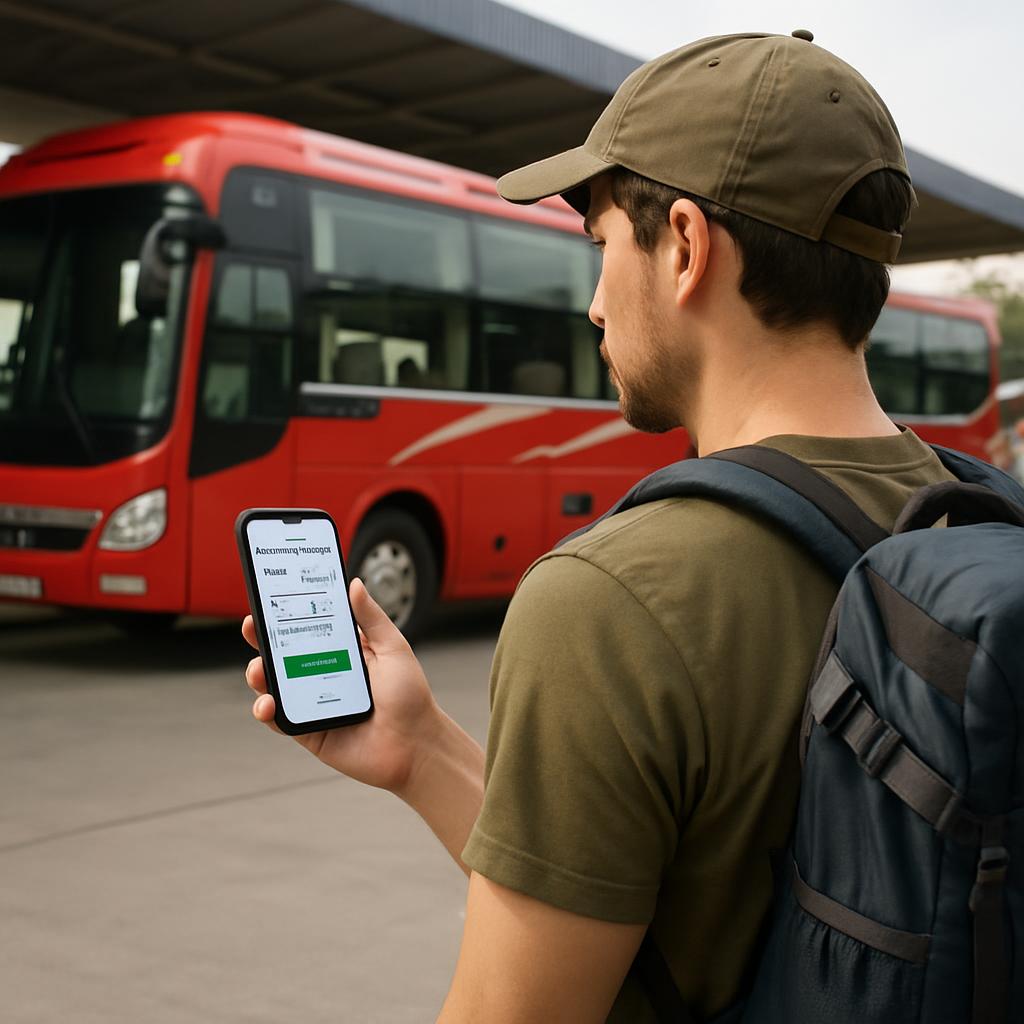
A Step-by-Step Budget Checklist Before You Book
Building an accurate Vietnam budget takes about 20 minutes if you follow a specific order: lock in fixed costs first, then estimate daily variable costs, then add a buffer. Here’s the practical sequence.
- Sort your visa first. As of 2026, the official Vietnam eVisa fee is USD 25 for a single-entry and USD 50 for a multiple-entry visa, valid for up to 90 days, applied for directly through the government portal. Apply at least two to three weeks before departure to avoid rush fees from third-party agents.
- Get connected before you land. A fixed-data eSIM plan for a one-to-two week trip typically runs $9-$18 total, cheaper and less hassle than airport SIM counters, though a local Viettel SIM bought in-country can beat that per-gigabyte if you don’t mind the errand.
- Book your first 2-3 nights of accommodation, then stay flexible. Locking in only the arrival city lets you shift plans without forfeiting deposits, and lets you scout neighborhoods in person before booking further stays.
- Decide your bus tier upfront for long routes. Paying roughly $5 extra for a VIP bus over standard is usually worth it — the wider bunks and privacy curtains make a real difference for sleep quality on 10+ hour overnight journeys.
- Stick to reputable bus operators. The safety and punctuality math favors established operators like Futa, Sapa Express, The Sinh Tourist, and Inter-Bus Lines at the mid-tier $25-40 price point for overnight routes, rather than the cheapest curb-side options.
- Budget separately for multi-day tours. Ha Giang Loop, Halong Bay cruises, and Mekong Delta trips are not daily expenses — treat them as one-time line items so they don’t distort your sense of your “normal” daily spend.
- Add a 10-15% buffer. Rest-stop snacks, the occasional taxi mafia overcharge, and impulse souvenir buys always add up to more than planned.
Common Budgeting Mistakes and How to Fix Them
Most backpackers don’t blow their Vietnam budget on big-ticket items — they leak money through small, repeated mistakes that compound over a two-to-three-week trip. Here are the most common ones and the practical fix for each.
Mistake: Booking the cheapest possible sleeper bus without checking the operator. Ultra-cheap tickets under $8 with no reviews are often unlicensed operators. Tickets under $8 with no reviews online are a red flag rather than a bargain — that price point usually means an unlicensed operator with no accountability if something goes wrong. The fix: pay the extra few dollars for a known operator, especially on long overnight routes.
Mistake: Eating every meal in the Old Quarter or District 1. Tourist-center pricing adds up fast, and the difference is not trivial — expect to pay 20-30% more in these zones than in local neighborhoods just a short walk or Grab ride away. Fix: walk 10-15 minutes away from the main tourist strip for lunch and dinner, and save the central spots for atmosphere rather than every meal.
Mistake: Underestimating transfer costs to bus stations. The ticket price isn’t the whole story. A Grab ride from Hanoi’s Old Quarter to Nuoc Ngam Bus Station costs 100,000-150,000 VND, and from Ho Chi Minh City’s District 1 to Mien Dong Bus Station costs 80,000-120,000 VND — these costs can equal 30-50% of the ticket price on short routes. Fix: factor transfer costs into every bus journey, not just the headline fare.
Mistake: Not comparing eSIM providers before buying. Price per gigabyte varies enormously between providers selling what looks like the same product. Fix: compare fixed-data plans rather than defaulting to the first result, since paying $15 for 1GB when $3 gets the same coverage makes no financial sense.
Bottom Line: Which Budget Fits Your Trip?
If your budget is under $20 a day, stick to hostel dorms, street food exclusively, and standard (not VIP) sleeper buses on well-reviewed operators — this is achievable but leaves little room for tours or splurges. If you’re working with $30-35 a day, you can comfortably mix dorms with the occasional private room, add one restaurant meal daily, and budget for a few paid activities like a cooking class or day tour without stress.
If you’re aiming for $55-65 a day, private rooms become the default, VIP or luxury-cabin buses are affordable on every long route, and multi-day experiences like a Halong Bay cruise or Ha Giang Loop tour fit naturally into the plan without needing to cut corners elsewhere. Whichever tier you land in, the single biggest lever remains accommodation choice, followed closely by how disciplined you are about eating where locals eat rather than where the menus are in English.
For gear that makes the budget stretch further on the road, a lightweight packable daypack, a universal travel adapter with USB ports for shared dorm outlets, and a compact quick-dry towel are the three items most backpackers wish they’d packed from day one rather than buying in-country at tourist markup.
Frequently Asked Questions
Book Vietnam Tours & Experiences
Compare traveler-rated Vietnam activities by price and reviews — with free cancellation on most bookings.
Disclosure: This post contains affiliate links. We may earn a commission at no extra cost to you.