
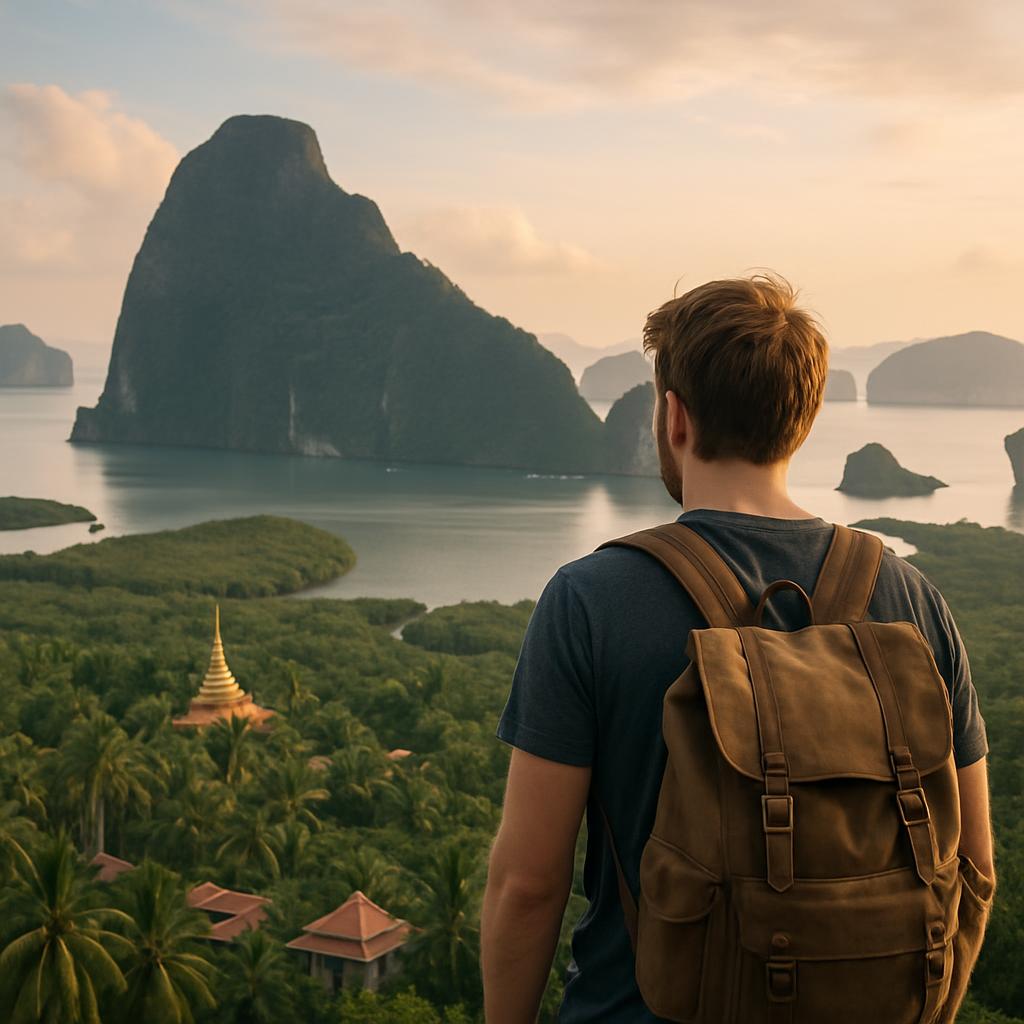
- Popular destinations can overshadow lesser-known gems in Southeast Asia.
- Exploring off the beaten path leads to unique and memorable experiences.
- Southeast Asia offers a diverse range of cultures, cuisines, and landscapes.
- Avoiding tourist traps can reveal the true beauty of the region.
Stop Doing What Everyone Else Does If You Want to Discover Southeast Asia’s Hidden Gems
When it comes to traveling Southeast Asia, most tourists flock to the same overpopulated beaches and bustling cities. While destinations like Bali, Bangkok, and Hanoi might be popular on Instagram, they often overshadow the true essence of Southeast Asia — its hidden gems. If you want to uncover the region’s true beauty, it’s time to stop following the crowd. Instead, venture off the beaten path and explore the lesser-known, yet equally magnificent, locations that promise unique experiences and memories to cherish forever.
The allure of Southeast Asia extends beyond its famed tourist spots. It is a mosaic of cultures, cuisines, and landscapes waiting to be explored. Unfortunately, many travelers end up in the same places, merely scratching the surface of what this vibrant region has to offer. By avoiding the typical tourist traps, you not only escape the crowds but also gain insight into the authentic lifestyle and natural beauty of the region.
Choosing the road less traveled can be intimidating, but the rewards are immense. It’s about embarking on a journey where every moment feels like a discovery. From the lush green mountains of northern Laos to the serene beaches of southern Cambodia, each location offers a narrative that’s unique and inviting. So, ditch the itineraries that lead to crowded landmarks and instead, create your own path through Southeast Asia’s tranquil and often overlooked destinations.
Why This Matters
Tourism in Southeast Asia is booming, with the region welcoming over 137 million international tourists in 2019, before the pandemic curtailed travel. Mass tourism, while beneficial to economies, often leads to environmental degradation and cultural dilution. Major tourist hotspots face issues like overcrowding, pollution, and increased living costs for locals. Shifting focus to hidden gems helps to distribute tourism more evenly across the region, preserving iconic sites while boosting lesser-known areas.
Beyond environmental concerns, the traveler’s experience also suffers in overcrowded locales. Long lines, inflated prices, and reduced opportunities for genuine cultural interactions can make a holiday feel more like a chore than a break. Embracing hidden gems allows for a more personalized and intimate travel experience, where the pace is slower, the encounters are richer, and your money goes further — crucial for budget-conscious travelers.
Furthermore, exploring off-the-beaten-path destinations contributes to local economies in ways that mainstream tourism does not. Smaller communities benefit directly from tourism dollars, leading to sustainable economic development and more authentic offerings for future travelers. This symbiotic relationship enhances both the traveler’s experience and the well-being of the local population.
Deep Dive into Hidden Gems
Take, for instance, the Bolaven Plateau in Laos. Known for its coffee plantations and stunning waterfalls, it offers a serene escape from bustling tourist hubs. The plateau’s cool climate and lush scenery make it ideal for travelers seeking tranquility and natural beauty. While places like Vang Vieng cater to party-goers, the Bolaven Plateau attracts those interested in hiking, exploring local villages, and enjoying unspoiled landscapes.
Another hidden gem is Malaysia’s Belum Rainforest. Located in the northern part of the country, this ancient forest has remained relatively undisturbed, preserving a rich biodiversity. Visitors can trek through the jungle, spot rare wildlife, and experience the unique culture of the indigenous Orang Asli communities. Unlike the over-commercialized destinations in Malaysia, Belum offers a genuine back-to-nature experience.
In Vietnam, the island of Con Dao is a prime example of a hidden paradise. Once a prison island, Con Dao is now celebrated for its pristine beaches and coral reefs teeming with marine life. It’s a haven for divers and nature lovers who prefer quiet exploration over the hustle and bustle of Vietnam’s more famous beach destinations like Phu Quoc or Nha Trang.

Case Study / Data
According to a study by McKinsey & Company, destinations that are not on the usual tourist radar have seen a significant increase in visitor numbers since 2010, correlating with the global rise in experiential travel. These sites often see a 20-30% increase in tourism annually, as travelers seek authentic and one-of-a-kind experiences.
Moreover, data from the ASEANstats show that the tourism industry contributes significantly to the GDP of Southeast Asian countries. However, the concentration of tourists in major locations leads to uneven economic benefits. By shifting focus to lesser-known areas, we can help achieve a more balanced economic impact, benefitting smaller communities that otherwise might not see the advantages of tourism.
Further reinforcing this trend, TripAdvisor reviews and travel forums indicate a growing interest in these hidden gems. Over 65% of respondents in a recent survey expressed a desire to avoid crowded tourist spots in favor of more unique and peaceful destinations. This trend aligns with a post-pandemic preference for less crowded, more remote travel experiences.
Hidden Gems vs Popular Spots: A Comparison
| Aspect | Hidden Gems | Popular Spots |
|---|---|---|
| Crowds | Minimal | Heavy |
| Cost | Affordable | Higher |
| Cultural Interaction | Authentic | Limited |
| Environmental Impact | Low | High |
Practical Tips for Discovering Hidden Gems
To truly embrace the hidden gems of Southeast Asia, start by doing thorough research. Use platforms like local travel blogs, forums, and social media to gather insights from fellow travelers who have ventured to these lesser-known places. Connecting with local communities online can also provide valuable recommendations and contacts.
Consider traveling during the shoulder seasons — the periods just before or after peak tourist times. This not only helps you avoid crowds but often comes with lower prices for accommodations and flights. Airlines like AirAsia and Cebu Pacific are expanding their routes, making it easier to access remote areas affordably.

Finally, stay flexible with your itinerary. Hidden gems often require more time to explore due to less developed infrastructure, but this is part of their charm. Be open to spontaneous detours and the occasional misadventure — these moments often lead to the most memorable experiences. Equip yourself with the right travel gear to make these explorations comfortable. Consider using lightweight backpacks, durable footwear, and portable water purifiers — all of which enhance the travel experience.
Frequently Asked Questions
Book Unforgettable Tours & Experiences
Skip the tourist traps. GetYourGuide connects you with top-rated local guides and hand-picked activities — with free cancellation on most bookings.
Conclusion
Southeast Asia is a tapestry of wonders that extends far beyond its iconic tourist spots. By stepping off the beaten path, you not only uncover the region’s hidden gems but also contribute positively to local communities and the environment. This approach invites you to experience the region in a more meaningful way, where the journey is as enriching as the destination itself.
Whether you’re a seasoned traveler or a first-time explorer, there’s no better time to dive into the lesser-known aspects of Southeast Asia. The rewards of discovering these hidden gems go beyond mere sights; they offer deeper cultural insights, tranquil natural beauty, and an escape from the ordinary.
Embrace this unique opportunity to redefine your travel narrative in Southeast Asia. Discovering hidden gems is not just about finding new places but about experiencing familiar ones with fresh eyes. So, pack your bags, set your compass, and embark on a journey that promises both adventure and introspection.
Disclosure: This post contains affiliate links. We may earn a commission at no extra cost to you.