
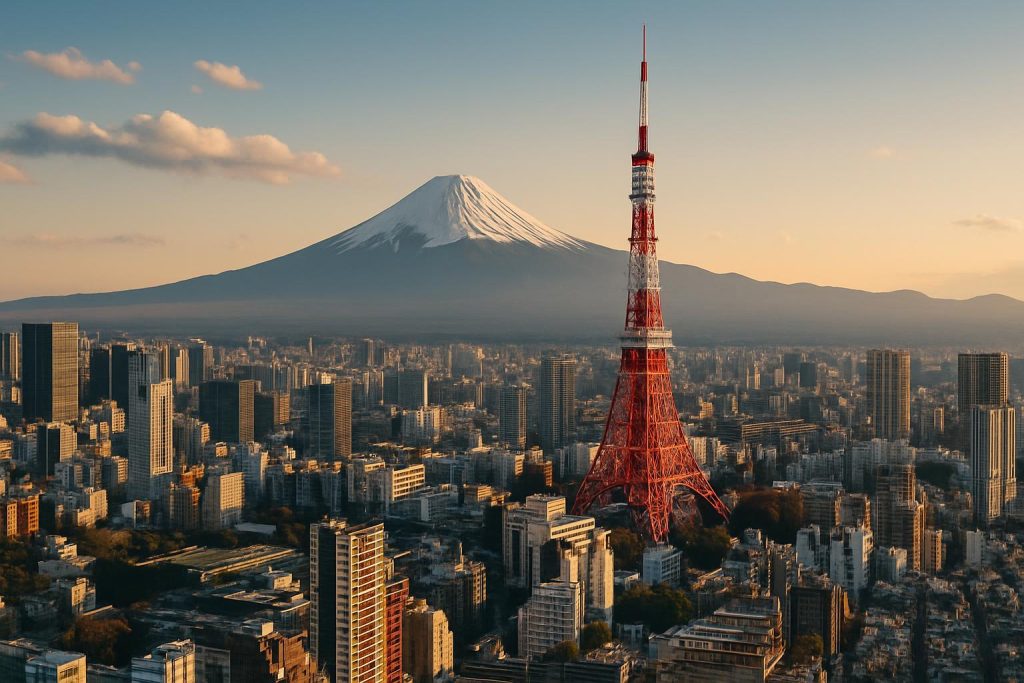
- Budget travelers can expect $60-$95 per day in Japan in 2026, excluding accommodation splurges.
- A weak yen has made Japan significantly cheaper for dollar-based travelers than in past years.
- The exchange rate has hovered around 1 USD = 140-155 JPY, so dividing yen prices by 150 gives a quick USD estimate.
- Hostels, konbini (convenience store) meals, and IC card transit form the backbone of an affordable Japan trip.
What Japan Actually Costs in 2026 — And Why the Old Advice Is Outdated
A budget-conscious traveler can realistically explore Japan in 2026 on $60-$95 per day per person outside accommodation splurges, thanks largely to a weak yen and a well-managed budget infrastructure of hostels, konbini meals, and IC card transit. The dollar has stretched further in Japan over the last two years than almost any other developed destination, and the numbers below reflect that shift directly.
Currency has done more heavy lifting for budget travelers than any single money-saving hack. The US dollar to yen exchange rate has hovered around 1 USD = 140-155 JPY in recent months, and dividing yen by 150 gives a close US dollar estimate. That single fact reshapes almost every other number in this guide, because prices that look intimidating in yen often translate into very reasonable dollar or euro figures.
The other major shift is structural, not currency-driven: the nationwide Japan Rail Pass, long considered an automatic purchase, no longer pays for itself on the routes most first-time visitors take. The 2026 nationwide JR Pass costs ¥50,000 for 7 days, ¥80,000 for 14 days, and ¥100,000 for 21 days in Ordinary class. That’s a meaningful cost driver you need to plan around, not ignore, and it’s exactly why this guide leads with a full cost breakdown before getting into strategy.
The 2026 Daily Cost Breakdown: Accommodation, Transit, Food, and Connectivity
A realistic single-day budget for a solo traveler in Tokyo, Kyoto, or Osaka ranges from roughly $28 on a strict backpacker budget to $95+ for a comfortable mid-range trip, based on verified 2026 pricing across the main cost categories below. The table pulls together dorm bed rates, business hotel rates, subway passes, meal tiers, and connectivity costs so you can see exactly where your money goes.
| Cost Item | Local Price (¥) | Approx. USD | Notes |
|---|---|---|---|
| Hostel dorm bed (Tokyo) | ¥3,500–6,000 | $23–$40 | Central location; shared bath, locker, Wi-Fi included |
| Capsule hotel | ¥4,000–8,000 | $27–$55 | Private pod, shared onsen-style baths |
| Budget business hotel (private room) | ¥7,000–11,000 | $47–$73 | Toyoko Inn, APA, Super Hotel-tier chains |
| Tokyo Subway 24-hr Ticket | ¥1,000 adult / ¥500 child | $6.70 | Unlimited Metro + Toei Subway; breaks even at 4-5 rides |
| Ramen (local shop) | ¥800–1,200 | $6–$9 | Add gyoza + drink for $12-15 total |
| Conveyor belt sushi meal | ¥1,500–2,500 | $10–$17 | Sushiro, Kura Sushi, Hamazushi chains, ~8-12 plates |
| Konbini meal (onigiri/bento) | ¥400–700 | $3–$5 | 7-Eleven, Lawson, FamilyMart |
| 7-day nationwide JR Pass | ¥50,000 | ~$335 | Rises to ¥53,000 via overseas agencies from Oct 1, 2026 |
| eSIM, 7-day fixed data (5-10GB) | — | $14–$24 | Fixed-data plans beat unlimited for most short trips |
How we calculated: Accommodation figures verified against a Tokyo hotel-pricing aggregator and hostel-focused budget guide; transit fares confirmed via the official Tokyo Metro ticket page; JR Pass pricing confirmed via the official Japan Rail Pass site; food prices cross-checked against two independent Japan cost-of-living guides. Verified July 2026.
Is the JR Pass Still Worth Buying in 2026?
For most first-time visitors doing a simple Tokyo–Kyoto round trip, the answer is no — individual tickets are now cheaper. A simple Tokyo–Kyoto round trip on the Hikari runs about ¥28,000 — well under the ¥50,000 pass price, and you’d need additional long-distance trips to justify the pass. This is the single most misunderstood cost driver in Japan trip planning, and getting it wrong can waste over $100.
The math changes once your itinerary gets more ambitious. You must travel the equivalent of a Tokyo to Hiroshima round-trip within seven days to break even on the ¥50,000 ordinary pass — a simple round trip to Kyoto is no longer enough to justify the upfront cost. If your route looks like Tokyo → Kyoto → Hiroshima → Fukuoka → Tokyo within a single pass window, individual tickets for that itinerary run approximately ¥57,000, meaning the JR Pass saves roughly ¥7,000 and allows unlimited extra JR rides. That’s a modest saving, but the flexibility can matter if your plans are loose.
There’s also a timing wrinkle worth flagging clearly: JR Group announced that prices for the nationwide Japan Rail Pass will be increasing as of October 1, 2026 — but only through overseas channels, and the official site is expected to hold pre-October pricing for a limited window. If you’re booking a trip for late 2026, buy early through the official channel to lock in the lower rate. And don’t forget the regional alternative: JR East, JR West, and JR Central offer regional passes that are cheaper and cover specific areas, and are significantly less than the nationwide pass — perfect for focused regional travel. For a Kansai-only trip (Osaka-Kyoto-Nara-Kobe), a regional pass will almost always beat the nationwide pass on price.
When the Nationwide Pass Actually Pays Off
Buy the 7-day nationwide pass only if your itinerary crosses at least three major regions in rapid succession — think Tokyo, Kyoto/Osaka, and Hiroshima or further, all within one week. If you’re staying mostly in one city or doing a single round trip, skip it and book point-to-point Shinkansen tickets instead, which also lets you ride the faster Nozomi trains without the pass’s supplement fee.
Connectivity: eSIM vs Pocket Wi-Fi
For most trips under two weeks, a fixed-data eSIM beats an “unlimited” plan on both price and simplicity. For most Japan travelers, a fixed 5 GB plan is the sweet spot — it covers a week of maps, translation, and social media, costs less than unlimited, and delivers full speed the entire time. Unlimited plans sound appealing but often throttle heavily after a set daily allowance, and prices have moved unfavorably: one major provider raised Japan unlimited prices significantly in early 2026 — the 7-day plan went from around $15 to $27 — meaning it’s no longer the bargain it used to be. A 10GB, 7-day plan from a reputable provider running around $14.00 for 10GB over 7 days is plenty for maps, translation apps, and moderate social media use.
Comparing Traveler Types: What Different Budgets Actually Look Like
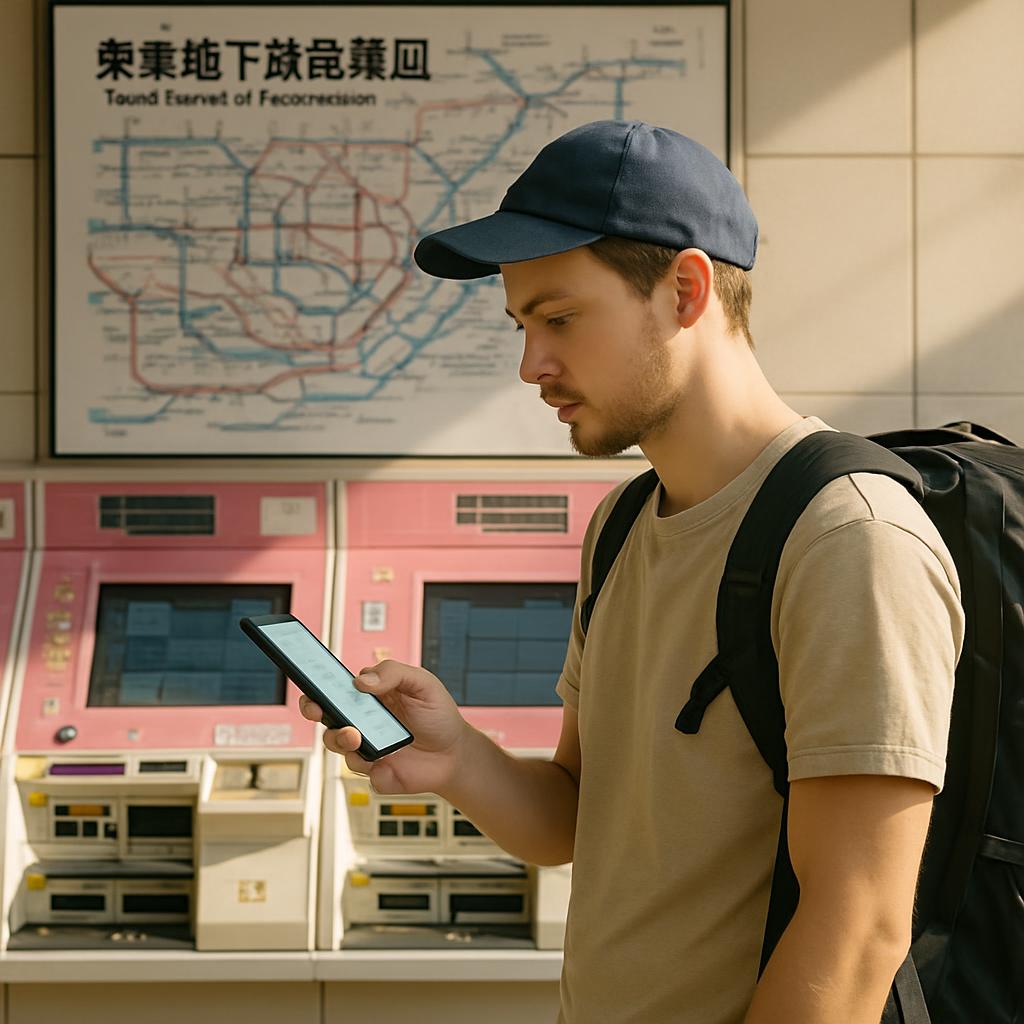
A backpacker on hostel dorms and konbini food can get through Japan on roughly $28-35/day, while a couple wanting private rooms and sit-down meals should plan for $70-95/day per person. The scenario table below breaks down the actual math behind each tier so you’re not guessing.
| Traveler Type | Accommodation | Food | Transit + Extras | Daily Total |
|---|---|---|---|---|
| Strict backpacker | $23 (hostel dorm) | $12 (konbini + 1 ramen) | $8 (IC card rides) | ~$43/day |
| Budget solo (comfort-minded) | $40 (capsule hotel) | $20 (ramen + kaiten sushi) | $10 (subway ticket + minor extras) | ~$70/day |
| Couple, private room + mix | $47 pp (business hotel ÷2) | $28 (izakaya + café) | $12 (transit + one attraction) | ~$87/day pp |
| Mid-range comfort seeker | $65 (mid-range business hotel) | $35 (mix of sit-down meals) | $15 (transit + 1-2 paid sights) | ~$115/day |
These numbers exclude intercity transport (Shinkansen or flights) and one-off costs like the Japan tourist tax. A new International Tourist Tax increased to ¥3,000 ($20) per person in 2026, and Kyoto has implemented a tiered accommodation tax, with dual pricing now appearing at major attractions like Himeji Castle — small but real additions to budget for on top of daily spending.
Where Neighborhood and Season Change the Math
Choosing the right neighborhood and travel month can swing your accommodation cost by 20-35% without sacrificing convenience. This is one of the most overlooked levers in Japan trip planning, and it’s almost entirely about knowing where locals — not tour groups — actually stay.
Inside Tokyo specifically, distance from the central tourist loop matters more than most guides admit. Accommodation prices in Tokyo drop sharply as soon as you move one stop off the JR Yamanote Line loop — properties in Otsuka, Sugamo, and Kinshicho, all accessible within 15-20 minutes of any major hub, consistently run 20-35% cheaper per night than equivalent rooms in Shinjuku, Shibuya, or Ueno. A concrete example makes the savings tangible: if a dorm bed in Asakusa costs 5,500 yen and a comparable bed in a Kinshicho hostel costs 3,800 yen, the saving over a 7-night stay is 11,900 yen — roughly 10 days of train fares — and even a 200-yen daily transport premium for the longer commute leaves you well ahead.
City choice matters just as much as neighborhood choice. Osaka delivers the most generous value at the ¥3,000-7,000 tier — you can often get a basic private room rather than just a capsule — and for budget conscious visitors, basing in Osaka and day-tripping to Kyoto can be 30%+ cheaper than basing in Kyoto directly. If your itinerary includes both cities, this is a genuinely actionable way to cut a week-long trip’s lodging bill by a meaningful margin.
Season swings hostel prices too, though less dramatically than most travelers assume. The cheapest month to book a hostel in Tokyo tends to run around $37/night on average, while the most expensive month can climb to roughly $57/night — a gap worth planning around if your travel dates are flexible, particularly avoiding cherry blossom season (late March–early April) and autumn foliage weeks (mid-November) when demand spikes hardest.
A Step-by-Step Checklist for Building Your Budget Before You Book
Follow this sequence in order, because each step depends on the answer from the one before it — skipping ahead is how travelers end up overpaying for a rail pass they didn’t need or a hotel room in the wrong neighborhood.
- Map your route first. Count how many intercity trips you’ll actually take. If it’s fewer than three long-distance Shinkansen legs, skip the nationwide JR Pass and price individual tickets instead.
- Pick your base cities, then neighborhoods. Decide whether you’re basing in Tokyo, Kyoto, or Osaka for each leg, then choose an off-loop or secondary neighborhood (Kinshicho, Tennoji, etc.) to cut nightly rates by 20-35%.
- Book accommodation 3-6 months ahead if traveling in peak season. Cherry blossom and autumn foliage weeks sell out budget-tier hostels first, pushing late bookers into pricier options.
- Buy a Suica or Welcome Suica IC card on arrival. A Suica costs 2,200 yen, which includes a refundable deposit and a usable starting balance — this single card covers most trains, subways, buses, and convenience store purchases nationwide.
- Choose a fixed-data eSIM sized to your trip length rather than an unlimited plan, unless you’re a genuinely heavy streamer or remote worker.
- Budget separately for food tiers. Plan one konbini meal, one mid-range meal (ramen or teishoku), and reserve a weekly splurge (izakaya or kaiten sushi night) rather than averaging every meal the same.
- Factor in the tourist tax and any city-specific lodging taxes when finalizing your total trip cost, since these are charged on top of quoted room rates.
Common Budget-Planning Mistakes and the Fix for Each
Most overspending in Japan doesn’t come from big-ticket splurges — it comes from small miscalculations repeated daily across a trip. Below are the mistakes that show up most often in trip-cost breakdowns, along with the specific fix for each.
Mistake: Buying the nationwide JR Pass reflexively. As shown above, if you only do a Tokyo-Kyoto round trip, you will spend roughly 28,000 JPY on individual tickets, leaving you 22,000 JPY in the hole if you bought the pass. Fix: run your specific route through a fare calculator before purchasing anything, and default to individual tickets unless your itinerary clearly crosses three-plus regions.
Mistake: Staying directly on the Yamanote Line loop out of habit. Many travelers assume proximity to famous stations is worth any price premium. Fix: as detailed earlier, a hostel one stop off the loop can save close to ¥12,000 over a week with minimal added commute time.
Mistake: Over-buying unlimited data. Fix: unless you’re tethering a laptop constantly or streaming video daily, a fixed 5-10GB plan is cheaper and just as reliable for maps and translation apps — a fixed 5 GB plan is the sweet spot for most Japan travelers.
Mistake: Eating every meal at sit-down restaurants in tourist zones. Fix: alternate lunch specials (30-50% cheaper than the same dinner menu), konbini breakfasts, and one planned splurge meal per week — this alone can cut a food budget nearly in half without any real sacrifice in quality.
Mistake: Forgetting free attractions exist in abundance. Kyoto’s most iconic sight costs nothing to enter: there is no entrance fee to explore Fushimi Inari Shrine, making it an excellent choice for travelers on a budget. Fix: build your itinerary around free shrines, temples, and public gardens first, then reserve paid attraction budget for a handful of must-see paid sights like Tokyo Skytree or Osaka Castle.

Where to Book: Practical Product Picks for a 2026 Trip
Choosing the right booking tools matters almost as much as the destinations themselves, since fees and cancellation policies vary widely across platforms. For accommodation, comparison-first platforms that show real-time hostel and capsule hotel pricing side-by-side tend to surface better rates than booking directly through a single chain’s site, particularly for dorm beds and capsule pods where price swings by day of week are common.
For transit passes, buying the nationwide JR Pass — if your route justifies it — directly through the official exchange order system locks in current pricing ahead of the announced October 2026 shift for overseas channels. Regional passes (JR East, JR West Kansai) are typically better purchased once you’ve confirmed your specific regional itinerary, since they’re priced per-region and non-refundable in most cases.
For connectivity, fixed-data eSIMs installed before departure remove the airport-arrival scramble entirely — no queueing at a SIM counter, no searching for a compatible physical card. Look for a provider offering multi-network coverage (docomo, KDDI/au, SoftBank) rather than a single-carrier plan if your itinerary includes any rural stretches like the Japanese Alps or Hokkaido, where single-network coverage can be noticeably weaker.
Frequently Asked Questions
Book Japan Tours & Experiences
Compare traveler-rated Japan activities by price and reviews — with free cancellation on most bookings.
The Bottom Line: Matching Your Budget to a Real Plan
If your total trip budget is under $50/day per person, stick to hostel dorms, konbini and ramen-shop meals, IC card transit, and skip the nationwide JR Pass entirely in favor of individual tickets or a regional pass. This tier comfortably covers Tokyo, Kyoto, and Osaka without ever feeling like you’re missing out on the food or sightseeing that makes Japan worth visiting.
If you’re working with $70-90/day per person, you can mix capsule hotels or budget business hotel private rooms with one sit-down meal daily, add a 24-hour Tokyo Subway Ticket on sightseeing-heavy days, and consider a regional rail pass if your itinerary is Kansai-focused. This is the sweet spot where most first-time visitors land once they’ve actually mapped their route.
If your budget exceeds $110/day per person, mid-range business hotels, regular izakaya dinners, and the nationwide JR Pass (if your itinerary genuinely spans three-plus regions) all become reasonable choices without needing to track every yen. Whatever tier you land in, the biggest lever remains the same across every budget level: verify your specific route and accommodation choice against real 2026 numbers before booking, rather than relying on outdated assumptions about what Japan costs.
Disclosure: This post contains affiliate links. We may earn a commission at no extra cost to you.