
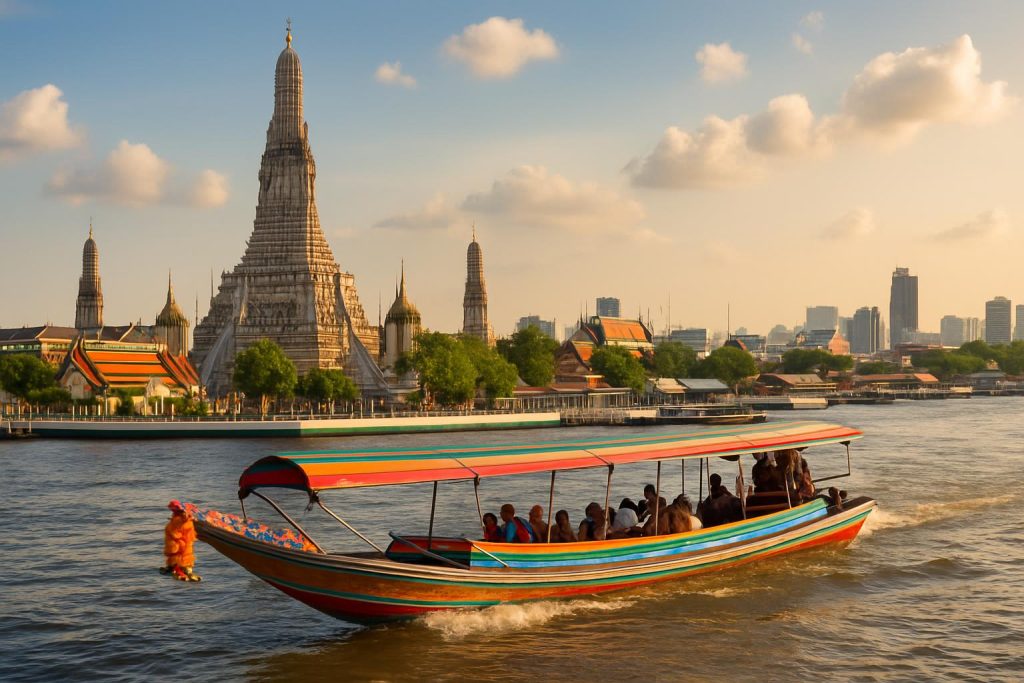
- A careful first-timer can cover accommodation, three meals, transport, and a temple entry in Bangkok for under $40 per day in 2026.
- Street food prices vary significantly — the same dish can cost 50 baht on a side street versus 120 baht near a hotel.
- Bangkok’s BTS Skytrain no longer uses a flat fare; 2026 fares range from 17 to 65 baht depending on distance traveled.
- Where you eat and sleep matters far more to your daily budget than it did in previous years, so location research is essential.
Bangkok on a Budget in 2026: What a First-Timer Actually Spends Per Day
Bangkok remains one of the cheapest major capitals in the world, and in 2026 a careful first-timer can cover a bed, three meals, transport, and a temple ticket for well under $40 a day. The catch is that prices now vary far more by where you eat and sleep than they used to — a plate of pad thai can be 50 baht on a side street or 120 baht outside a hotel. This guide pulls together current, source-verified numbers so you can build a realistic budget before you land, not a vague “Thailand is cheap” hunch.
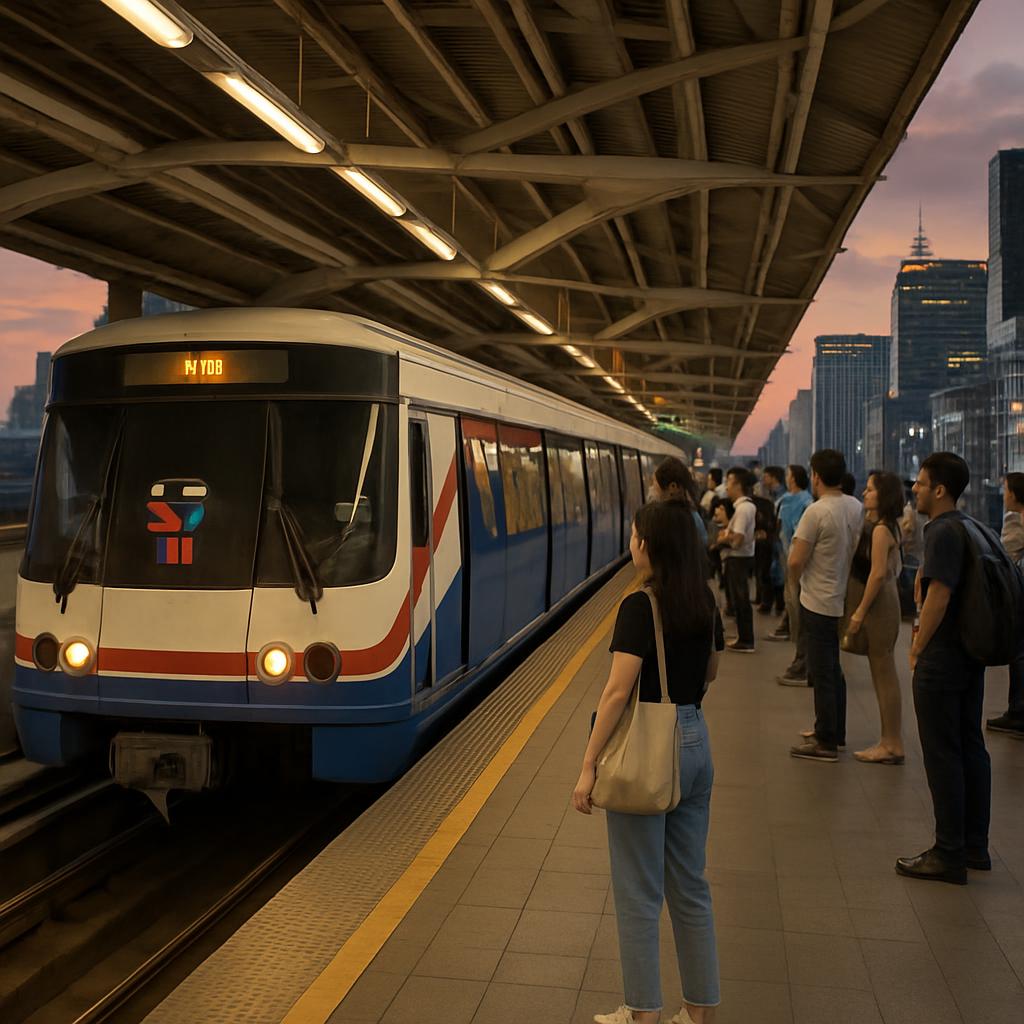
The single biggest 2026 change first-timers need to know: Bangkok’s rail fares are no longer flat. BTS fares in 2026 range from 17 to 65 Baht per trip depending on distance, after the flat fare system that had been in place for more than five years was replaced with a distance-based fare system in November 2025. That still makes the Skytrain one of the best-value ways to move around the city, but it changes the math on day passes and where you choose to base yourself.
Throughout this guide, every price is framed as researched aggregation from official operators, attraction sites, and major booking platforms as of July 2026 — not personal spending. Exchange-rate context matters too: the Thai baht has held in a roughly ₿32–36 per USD range throughout 2026, and this article uses ₿34 = $1 for conversions. Always re-check the live rate before you set a hard budget.
The Core Cost Table: What Everything Actually Costs in July 2026
Here is the centerpiece — a per-item breakdown of the costs that make up almost every first-timer’s Bangkok budget, in Thai baht and US dollars. Use it to assemble your own daily number rather than trusting a single “average.”
| Item | Local price (THB) | Approx. USD | Notes |
|---|---|---|---|
| Hostel dorm bed / night | ₿170–₿500 | $5–$15 | Top-rated dorms average ~$16 |
| Hostel private room / night | ₿650–₿1,400 | $19–$41 | Top-25% private rooms average ~$19 |
| Street-food dish (local area) | ₿40–₿80 | $1.20–$2.40 | Pad thai ₿50–60; som tam ₿40–60 |
| Same dish (tourist strip) | ₿100–₿180 | $3–$5 | Khao San, hotel-heavy Sukhumvit |
| Mall food-court meal | ₿50–₿100 | $1.50–$3 | Air-con; Terminal 21, MBK |
| BTS Skytrain single trip | ₿17–₿65 | $0.50–$1.90 | Distance-based since Nov 2025 |
| BTS one-day pass | ₿150 | ~$4.40 | Unlimited Green Line for the day |
| MRT (subway) single trip | ₿17–₿45 | $0.50–$1.30 | Blue Line, distance-based |
| Airport Rail Link (BKK→city) | ₿15–₿45 | $0.45–$1.30 | ₿45 to Phaya Thai (BTS) |
| Grand Palace entry (foreigner) | ₿500 | ~$14 | Includes Wat Phra Kaew |
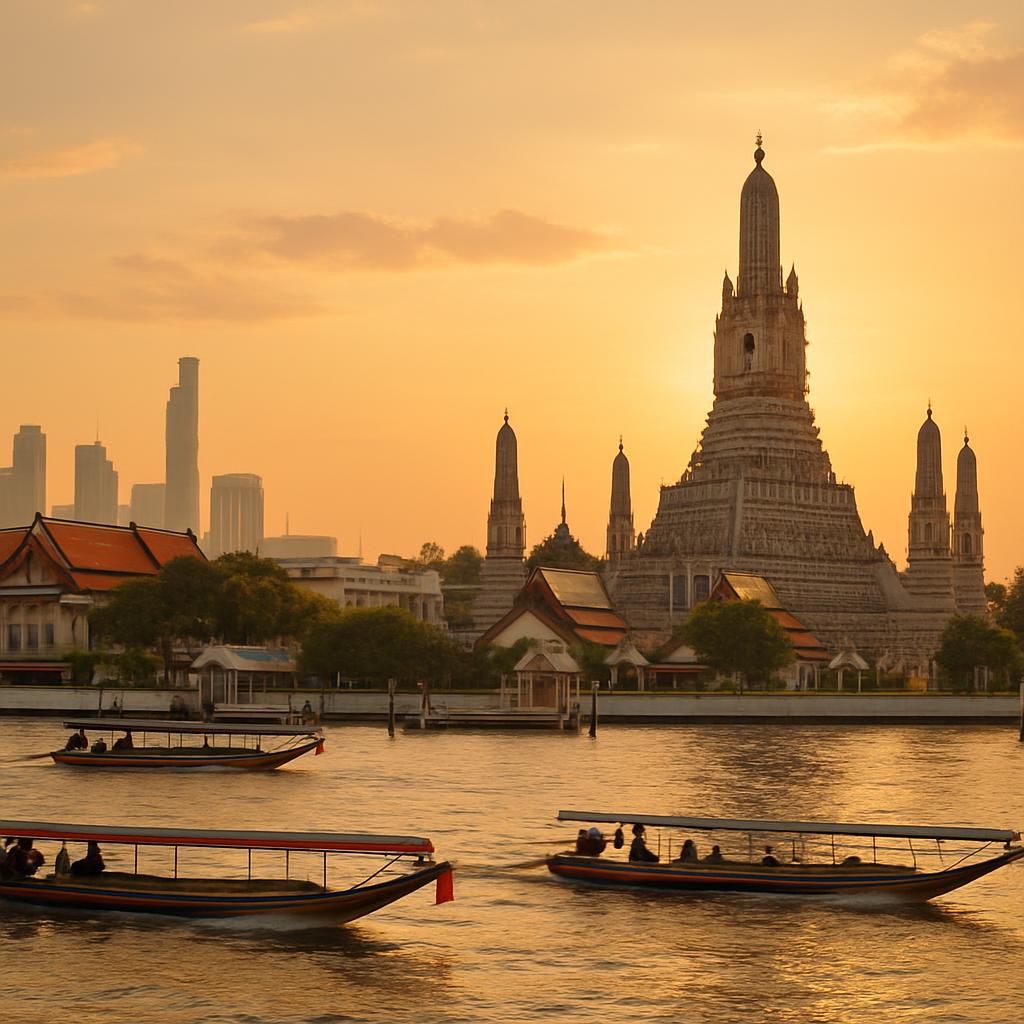
| Wat Pho / Wat Arun | ₿100–₿300 | $3–$9 | Many temples are free |
| Tourist eSIM (7–15 days) | ₿70–₿340 | $2–$10 | Whole-trip cost, not per day |
How we calculated: Rail fares verified July 2026 via the operator-linked BTS fare page and MRT fare page; airport train fares via the Airport Rail Link fare guide; Grand Palace pricing via the official-price explainer; food and hostel ranges aggregated from HostelWorld, Hostelz and 2026 street-food price trackers. Supporting specifics: the BTS Green Line fare is from 17 THB to 65 THB per trip depending on the length of the journey, with the max cap increased on 1 November 2025. The one-day option is confirmed too: the standard price of the BTS SkyTrain One-Day Pass that allows all-day Green Line use is 150 THB per day.
On the airport side, the numbers are unusually stable. The Airport Rail Link single-journey fare varies from 15 to 45 THB depending on distance, with Suvarnabhumi to Makkasan (MRT Blue Line connection) at 35 THB and Suvarnabhumi to Phaya Thai (BTS Sukhumvit connection) at 45 THB. That means a first-timer landing at Suvarnabhumi can reach central Bangkok for well under $2 rather than paying ₿400–500 for a metered taxi plus tolls.
Where Your Money Goes: The Four Cost Drivers That Decide Your Budget
Four things drive almost your entire Bangkok spend: accommodation type, where you eat, how you get around, and how many paid attractions you visit. Nail these four and the rest is rounding error. Accommodation is by far the biggest lever — the gap between a dorm bed and a private hostel room is larger than your entire daily food and transport budget combined.
On lodging, the current data is encouraging for tight budgets. On average, hostels in Bangkok cost around $5 per dorm bed and $31 per private room per night, though quality picks sit a little higher. Looking at the top 25% of hostels by guest rating, the average dorm price is a surprisingly affordable $16, and the top-25% private rooms average just $19. The practical takeaway: paying up for a better-reviewed dorm barely dents your budget, so there’s little reason to book the rock-bottom option.
Food is the second driver, and in 2026 it’s all about location discipline. Most Bangkok street food costs locals ₿40–₿70 per dish, but in tourist-heavy areas the same meal often costs ₿100–₿180. Prices have crept up over the years — street food has risen roughly 20–30% since 2021, with dishes that used to cost 40–50 THB now around 60–70 THB at most stalls — but that’s still a full meal for under $3. Transport and attractions round out the four: the rail network is cheap, but the Grand Palace’s ₿500 ticket is, as one guide notes, the single biggest attraction expense most first-timers face.
How Much Does a Day in Bangkok Cost by Travel Style?
A backpacker in a dorm eating street food can run a full Bangkok day for around $25–$30, while a comfort-focused traveler in a private room mixing cafes and taxis lands closer to $55–$70. The scenario table below shows the actual math behind each style so you can see exactly where the money goes and adjust.
| Traveler type | Bed | Food | Transport + 1 sight | Daily total |
|---|---|---|---|---|
| Shoestring backpacker | Dorm ₿300 ($9) | 3 street meals ₿180 ($5.30) | BTS ₿100 + free temples ($3) | ~₿580 / $17 |
| Standard budget | Good dorm ₿500 ($15) | Street + food court ₿350 ($10) | Day pass ₿150 + Grand Palace ₿500 ($19) | ~₿1,500 / $44 |
| Comfort budget | Private room ₿1,100 ($32) | Cafes + restaurant ₿550 ($16) | Grab + 1 paid sight ₿450 ($13) | ~₿2,100 / $62 |
| No-sight rest day | Dorm ₿300 ($9) | Street food ₿200 ($6) | 2 short BTS trips ₿40 ($1.20) | ~₿540 / $16 |
How we calculated: Built from the per-item table above (July 2026 figures), assuming ₿34 = $1. Food figures track the local-vs-tourist ranges reported by 2026 street-food price trackers; note that a comfortable daily food budget eating street food and local restaurants in Bangkok is 300–450 THB ($9–14). The independent aggregate matches this closely: Bangkok’s daily costs range roughly ₿1,500–6,000 ($42–170) depending on travel style in 2026.
Notice how the “standard budget” day is dominated by one line: the Grand Palace ticket. Attraction days cost roughly double a rest day, so spacing out paid sights is the easiest way to lower your weekly average. A realistic seven-day plan might include three paid-attraction days and four cheaper days built around free temples, markets, and walking — which pulls a first-timer’s weekly average well below the mid-range headline number.
Which Neighborhood Should a First-Timer Stay In?
For a first Bangkok trip, base yourself near a BTS or MRT station rather than chasing the cheapest bed — proximity to the rail network saves more money and stress than a ₿100 nightly discount. The most common first-timer choices are the Khao San/Rambuttri area (old town, cheapest social scene), Sukhumvit (modern, best transit), and the Riverside/Old City for temples.
Price and vibe differ meaningfully by area. The most popular neighbourhood among KAYAK users searching Bangkok hostels is Sukhumvit, with an average price around $15. Booking-site guidance consistently points first-timers toward the backpacker district for value: for affordable hostels, the vibrant Khao San Road or the quieter Soi Rambuttri are known for budget-friendly options and an energetic, social atmosphere. If you’d rather have the rail network at your door, Sukhumvit sois near Asok and On Nut put you steps from both the BTS and food-rich local streets.
Timing: When Are Bangkok Beds Cheapest?
Accommodation prices swing by month and even day of the week, so shifting your dates a little can meaningfully cut costs. The cheapest month to book a Bangkok hostel is April, at an average nightly rate of about $14, while the most expensive is December at $25 per night. That December spike lines up with peak cool-season tourism — the most comfortable weather but the priciest beds.
Booking behavior matters too. Tuesday offers the lowest average hostel rates in Bangkok, while the highest prices appear on Thursday, and booking at least 81 days before your stay tends to get the best price. The practical move for a budget first-timer: travel in the April–May or November shoulder windows, book a couple of months ahead, and you’ll shave 20–40% off December-level rates.
Getting Around Cheaply: Trains, Boats, and When to Skip the Taxi
The rail network is the backbone of cheap Bangkok travel — fast, air-conditioned, and traffic-proof — while boats handle the riverside temple zone the BTS doesn’t reach. For a first-timer, the winning combo is BTS/MRT for long hops, the Chao Phraya boat for the Grand Palace area, and Grab (the local ride-hailing app) only when rail doesn’t cover your route.
Two 2026 details save real money. First, the Rabbit Card speeds up BTS entry and often unlocks promotions — with the Rabbit Card you can sometimes pay less than the official fare, as operators regularly run promotions, with ticket packages as low as 25 THB per ride for any distance. Second, know the Grand Palace is not on the BTS: the Grand Palace is not served directly by BTS; the nearest station is Saphan Taksin, from where you take the Chao Phraya Express Boat north to Maharaj Pier. Those boats run frequently and cost 15–40 THB depending on the service.
Skip tuk-tuks for anything but the shortest hops. They’re fun but negotiated (and often inflated), and around the Grand Palace they’re tied to a well-known scam: a friendly stranger claims the palace is “closed for a ceremony” and offers a cheap tuk-tuk tour that ends at overpriced gem shops. The driver offers to take you somewhere “better,” but the temple is not closed — he’ll take you to an overpriced suit or jewellery shop that’s in on the scam. If anyone tells you a major site is shut, walk on to the official entrance.
Your Pre-Trip Budget Checklist and Common Mistakes to Avoid
Before you fly, lock in five things: an eSIM, your first two nights of accommodation, a rough attraction shortlist, some cash for street food, and a mental note of the dress code for temples. Getting these sorted removes almost every expensive rookie mistake. Start with connectivity — an eSIM installed before departure means you can book a Grab and navigate the moment you land.
eSIM pricing is genuinely cheap in 2026. For a typical one-to-two-week trip covering Bangkok sightseeing, maps, and social media, you’re looking at $5–$13 total on a fixed plan. If you want a local number for Grab and LINE, note that the DTAC Happy Tourist eSIM offers unlimited data for around $9.90 for 10 days, connects directly to the local network, and includes a Thai phone number, calls and SMS. Data-only options run even cheaper — Saily offers Thailand eSIM plans starting at US$2.99 — which is plenty if you’ll lean on hostel Wi-Fi.
The Five Mistakes That Blow a First-Timer’s Budget
Most budget overruns in Bangkok come from a handful of avoidable errors. Here’s each one with the fix: (1) Eating on tourist strips — the same pad thai jumps from ₿50 to ₿120; walk two blocks to where locals queue. (2) Taking taxis in traffic — use the BTS/MRT, which bypasses gridlock; the airport train alone saves you the ₿400+ metered-plus-tolls taxi run. (3) Frequent small ATM withdrawals — Thai banks charge a ₿220 withdrawal fee per transaction on top of your home bank’s fees, so withdraw larger amounts less often. (4) Arriving underdressed for temples — the Grand Palace enforces a strict dress code, and vendors outside sell cover-ups at inflated prices, so bring covered shoulders and knees from your hostel. (5) Buying a day pass you won’t use — the ₿150 BTS pass only pays off if you take four or more trips; below that, single fares are cheaper.
One more caveat worth building into your plan: attraction hours and closures shift. The Grand Palace occasionally closes parts of the complex for royal ceremonies, and it opens daily at 8:30 AM and stops selling tickets by 3:30 PM. Verify the day’s status on the official Tourism Authority of Thailand site or the palace’s own page before you commit a whole morning to it, and go early to beat both the heat and the crowds.
The Bottom Line: Match Your Budget to a Plan
Bangkok in 2026 is still one of the best-value big cities on earth for a first-timer — the question isn’t whether you can afford it, but which of a few clear tiers fits your trip. The decision map below turns the numbers in this guide into a concrete choice so you can stop comparing and start booking.
If your budget is about $20/day: book a well-rated dorm (~₿300–500), eat exclusively at local street stalls and mall food courts, ride the BTS/MRT with single fares, and stick to free temples and markets — with the Grand Palace as a single planned splurge. If your budget is about $45/day: take a good dorm or a shared twin, mix street food with the occasional sit-down meal, use a Rabbit Card for transit, and comfortably fit in one paid attraction most days. If your budget is $60+/day: book a private hostel room (~₿1,100), use Grab freely when rail doesn’t reach, and add river cruises or guided temple tours without stress.
Whichever tier you pick, the levers are the same: sleep near a train line, eat where locals queue, cluster your paid sights rather than doing one every day, and set up an eSIM before you land. Do those four things and even the shoestring traveler eats well, moves fast, and sees the headline sights — proving that Bangkok’s reputation as Southeast Asia’s most economical capital still holds firmly in 2026.
For readers who want to lock in the cheapest connectivity and transport before departure, the tools below are the ones budget travelers reach for most — an eSIM you install at home and a Rabbit Card for faster, sometimes discounted BTS rides.
Frequently Asked Questions
Book Bangkok Tours & Experiences
Compare traveler-rated Bangkok activities by price and reviews — with free cancellation on most bookings.
Disclosure: This post contains affiliate links. We may earn a commission at no extra cost to you.