
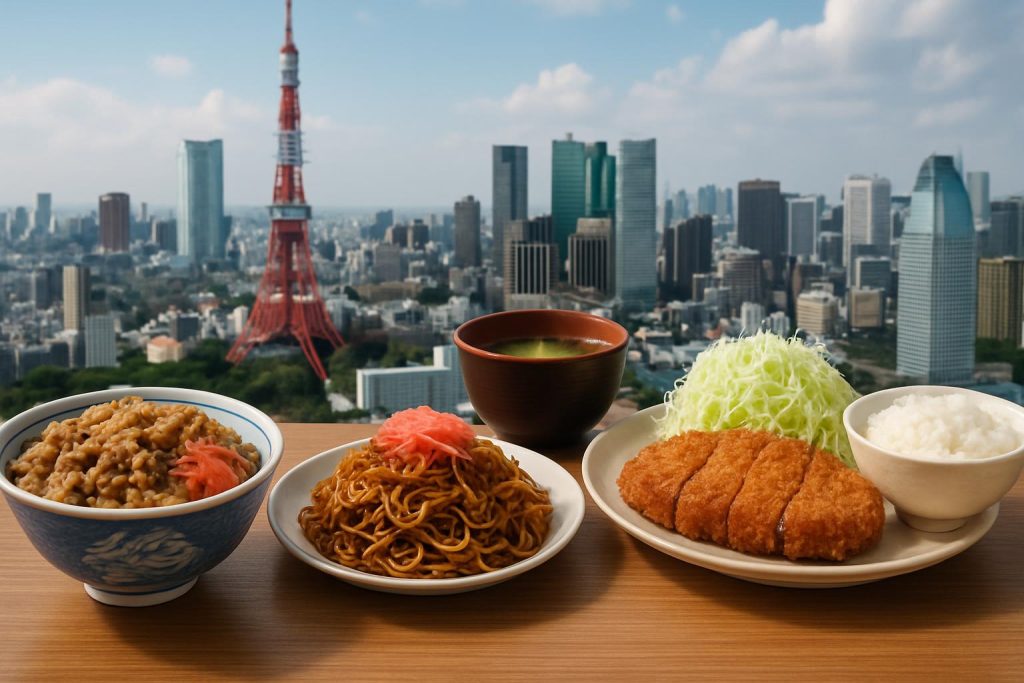
- With the yen near ¥162/USD in July 2026, $10 converts to roughly ¥1,620, stretching further than in past years.
- A genuine Tokyo cheap eat under $10 covers ¥1,000–¥1,600 hot, filling meals like gyudon, ramen, or conveyor belt sushi.
- Tokyo’s expensive reputation applies mostly to hotels, taxis, and fine dining, not everyday food.
- The weak yen has made Tokyo one of the best value cities in the developed world for budget dining.
What Counts as a Tokyo Cheap Eat Under $10 in 2026?
A genuine Tokyo cheap eat under $10 is any hot, filling meal that costs roughly ¥1,000–¥1,600 or less, since the yen has weakened sharply and $10 now stretches further in Tokyo than it has in years. With the yen trading around ¥162 to the US dollar in July 2026, a $10 budget converts to roughly ¥1,620 — enough for a full gyudon (beef bowl) meal with a side, a bowl of neighborhood ramen, or ten-plus pieces of conveyor belt sushi with soup.
This matters because Tokyo’s reputation as an expensive city is mostly about hotels, taxis, and fine dining — not everyday food. The weak yen has quietly turned Tokyo into one of the best value cities in the developed world for eating out, even as locals grumble about rising domestic prices. Basic gyudon chains still let Tokyoites eat hot meals for under ¥500, and that price advantage is even more dramatic once converted to dollars, euros, or pounds.
The catch is that “cheap” in Tokyo isn’t one price — it’s a spectrum with real tradeoffs between speed, quality, and location. A ¥450 beef bowl and a ¥1,300 ramen bowl are both technically “under $10,” but they represent very different meals, portion sizes, and dining experiences. This guide breaks down exactly what your money buys at each price tier, which chains and dish types deliver the best value in 2026, and how to build a full day of eating in Tokyo without ever crossing the $10-per-meal line.
The Core Cost Drivers Behind Tokyo’s Cheap Eats Scene
Four factors set the price of a Tokyo meal: dish category, chain vs. independent shop, neighborhood, and current exchange rate — and all four shift meaningfully in 2026. Understanding them helps you predict costs before you even land.
Dish category is the biggest lever. Rice-bowl chains (gyudon, katsudon) are structurally the cheapest hot meals in the city because they run on high-volume, low-labor kitchen models. Ramen sits in the middle because it requires slow-simmered broth and skilled labor. Sushi is the most variable: conveyor belt chains compete aggressively on per-plate pricing, while anything with a chef behind a counter jumps immediately out of the under-$10 category.
Chain versus independent matters almost as much. National chains like Yoshinoya, Sukiya, Matsuya, Sushiro, and Kura Sushi post transparent, fixed prices nationwide (with some regional tiering), which makes them the most predictable budget option. Independent ramen-ya and small donburi counters can be cheaper in outer neighborhoods but pricier near major stations, where rent gets baked into the bowl.
Why Neighborhood Changes the Price of the Same Bowl
The same dish from the same chain can cost 20–35 yen more per item simply because of its Tokyo address. Sushiro, Kura Sushi, and Hama Sushi all now operate tiered pricing where “urban” or “global flagship” branches near Shibuya, Shinjuku, Asakusa, and Yurakucho charge more than suburban locations of the identical chain.
Kura Sushi is transparent about this: its official menu sorts branches into four price tiers, from ¥115 up to ¥150 per plate, with the flagship Asakusa ROX location sitting at the top tier. Hama Sushi’s cheapest nigiri is ¥110 tax included at standard branches, but its official menu flags separate “urban store” pricing for central locations. Sushiro doesn’t publish a single nationwide price list at all — each branch has its own menu page, and a station-front Yurakucho branch can run ¥150 a plate versus ¥100–115 at a suburban outlet.
The practical takeaway: if you’re staying near a major tourist hub, walking two or three train stops toward a residential area before eating can shave real money off a sushi or ramen meal — often enough to drop a borderline $10–11 meal comfortably under the line.
How the Weak Yen Changes Your Dollar Math
Because the yen has weakened to roughly 162 per dollar in mid-2026, dishes that were “just over $10” a couple of years ago are now comfortably under it. A ¥1,600 ramen bowl that might have cost $12–13 at a stronger yen now converts to under $10. This is the single biggest reason Tokyo’s cheap-eats scene feels more generous to foreign travelers in 2026 than it has in a long time — even as locals face their own rice and ingredient cost inflation domestically.
2026 Tokyo Cheap Eats Cost Breakdown (Verified Prices)
Here’s what the most popular Tokyo budget dishes actually cost in yen and dollars as of mid-2026, pulled from official chain pricing, government survey data, and current menu listings.
| Dish / Item | Typical Price (¥) | Approx. USD (2026 rate) | Where to Get It |
|---|---|---|---|
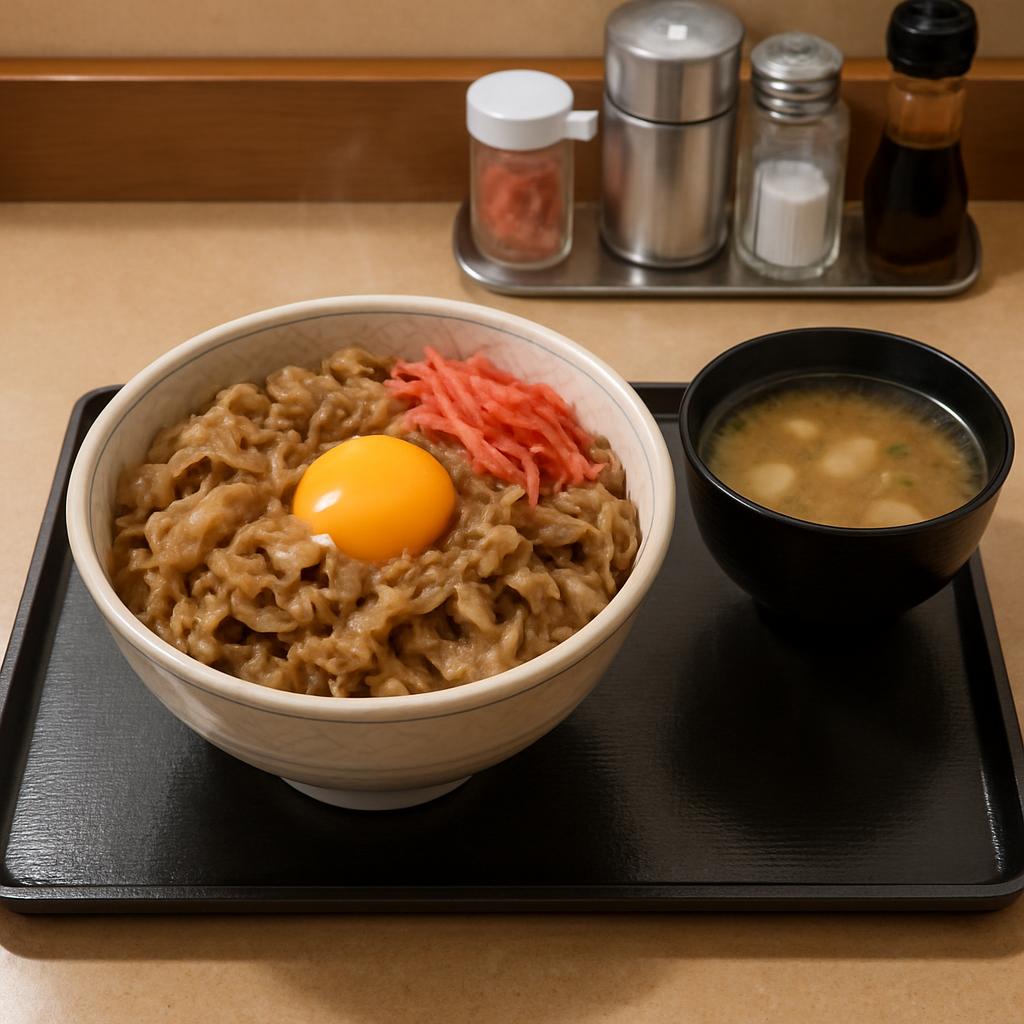
| Regular gyudon (beef bowl) | ¥450 | ~$2.80 | Sukiya, Yoshinoya, Matsuya |
| Conveyor belt sushi, 10 plates + soup | ¥1,500–¥2,000 | ~$9.30–$12.30 | Sushiro, Kura Sushi, Hama Sushi (suburban branch) |
| Neighborhood shoyu ramen | ¥610 average (Tokyo) | ~$3.75 | Local ramen-ya, chain outlets |
| Chain ramen with topping (Ichiran-style) | ¥890–¥1,300 | ~$5.50–$8.00 | Ichiran, Ippudo, Kourakuen |
| Convenience store onigiri | ¥140–¥230 | ~$0.85–$1.40 | 7-Eleven, Lawson, FamilyMart |
| Konbini full meal (onigiri + side + drink) | ¥400–¥700 | ~$2.50–$4.30 | Any major konbini chain |
| Teishoku set meal (rice + miso soup + main) | ¥800–¥1,000 | ~$4.90–$6.20 | Yayoiken, Ootoya |
How we calculated: Gyudon prices verified against SoraNews24’s coverage of Sukiya’s 2025 price revision and chain comparison data; ramen figures verified via the Japanese government’s Retail Price Statistics Survey for March 2026; sushi and konbini pricing checked against official chain menu pages and recent konbini pricing coverage. All conversions use the ~¥162/USD rate reported by Trading Economics for July 2026. Verified July 2026.
Which Dish Gives You the Most Food Per Dollar?
Gram-for-gram and yen-for-yen, the standard gyudon beef bowl remains Tokyo’s single best value meal, though conveyor belt sushi wins if you count entertainment value and variety. Here’s how the main categories actually stack up once you look past the sticker price.
Gyudon wins on pure efficiency. At roughly ¥450 for a regular bowl after Sukiya’s 2025 price cut, you get a filling, protein-and-carb meal in under three minutes, with counter seating that turns tables fast. Matsuya sweetens the deal further by including free miso soup with every dine-in order, and Yoshinoya and Sukiya both offer smaller “mini” sizes around ¥390 for anyone eating light or stacking multiple cheap items across the day.
Ramen is the trickiest category to generalize about, because Tokyo pricing is genuinely bimodal. Government survey data shows Tokyo’s average shoyu ramen price sitting at around ¥610 — cheaper than 73 other Japanese cities — but that average includes basic neighborhood shops that don’t necessarily match what tourists find near major stations. Budget chain ramen at places like Ichiran typically runs around ¥890 for the regular menu, which still lands comfortably under $10 even with an extra egg topping.
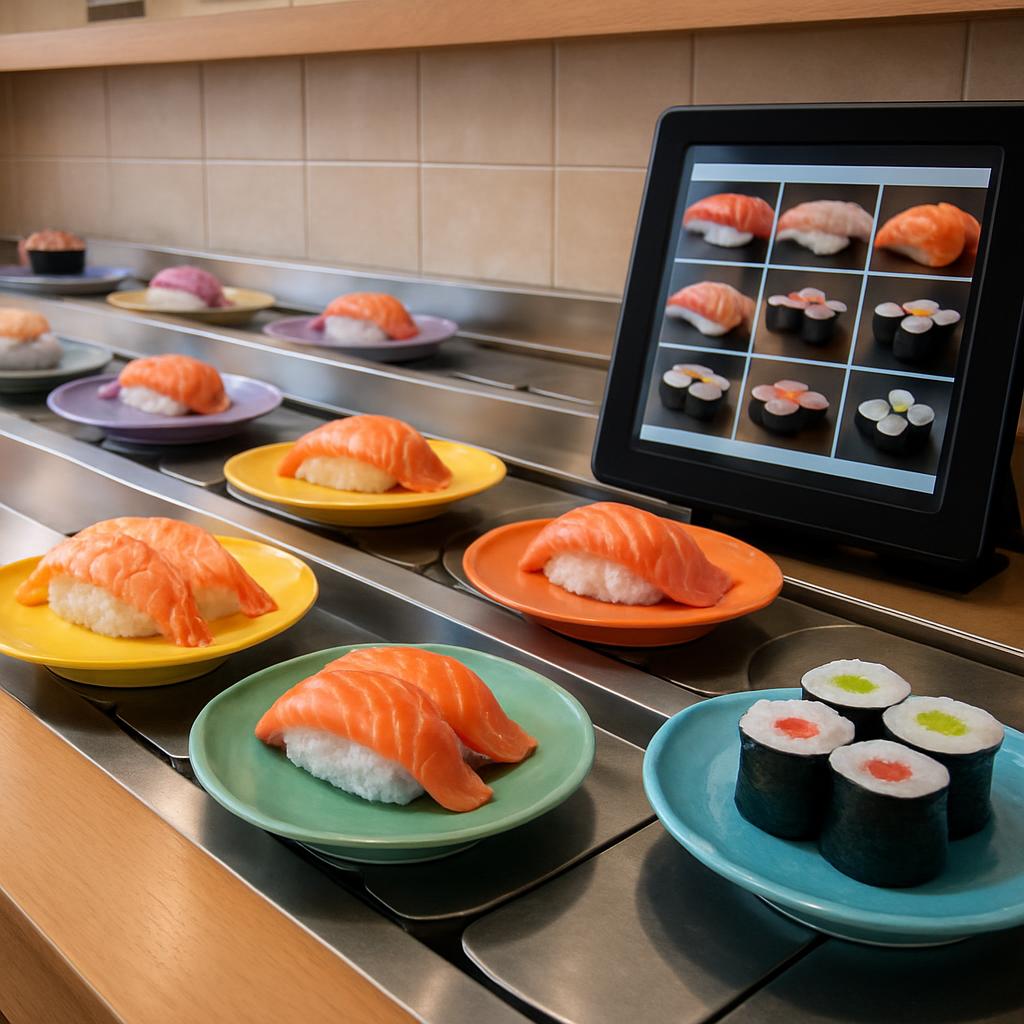
Conveyor belt sushi rewards strategy more than any other category. Because pricing is per-plate and tiered by branch, the same $10 budget might buy you 13–14 plates at a suburban Kura Sushi branch starting at ¥115, or closer to 10 plates at a central Tokyo flagship starting at ¥150. Either way, a typical visit of around ten plates plus a side of miso soup runs roughly ¥2,000–2,500 — meaning solo diners who pace themselves at 8–9 plates plus soup can stay under the $10 mark even at pricier central branches.
Daily Budget Scenarios: What $10-a-Meal Actually Buys
How you combine these dishes across a day determines whether you’re eating well on $20/day or $35/day — here’s the real math for three common traveler profiles.
| Traveler Type | Sample Day of Meals | Daily Food Total |
|---|---|---|
| Ultra-budget solo traveler | Konbini onigiri x2 + drink (¥500) + gyudon regular (¥450) + convenience store dinner set (¥600) | ~¥1,550 (~$9.60) |
| Balanced mid-budget traveler | Konbini breakfast (¥450) + neighborhood ramen lunch (¥900) + conveyor sushi dinner, 10 plates (¥1,800) | ~¥3,150 (~$19.50) |
| Food-focused traveler (still under $10/meal) | Teishoku breakfast set (¥900) + chain ramen with egg (¥1,300) + sushi dinner, 14 plates + soup (¥2,300) | ~¥4,500 (~$28.00) |
How we calculated: Figures built from the per-item prices in the table above, using the ¥162/USD rate current as of July 2026. Individual item prices verified via official chain pages and government survey data cited throughout this article.
A Step-by-Step Plan for Eating Well Under $10 Per Meal
Following a simple sequence — check the branch tier, use IC card payment, and rotate dish categories — keeps every meal comfortably under $10 without much planning effort. Here’s the practical checklist.
Before You Sit Down
- Check whether your sushi branch is “urban” or standard. Kura Sushi, Hama Sushi, and Sushiro all publish branch-specific menus online — a 30-second check before you walk in can save ¥30–40 per plate.
- Walk one or two stations away from major tourist hubs (Shibuya, Shinjuku, Asakusa) if you have time, since ramen and sushi pricing both trend cheaper in residential neighborhoods.
- Load an IC card (Suica or Pasmo) before you start eating out — nearly every chain covered here accepts it, and it speeds up ordering at ticket-machine ramen shops.
- Pick the “regular” or “mini” size at gyudon chains rather than the large or special sizes, which can push a ¥450 bowl toward ¥850 or more.
While You’re Ordering
- Skip extra toppings at ramen shops — a marinated egg or extra chashu adds ¥100–500 per bowl, which can be the difference between staying under or going over budget.
- Count your sushi plates as you go. Ten plates plus soup lands around ¥2,000–2,500 at most chains; stopping at 8–9 plates keeps a central-Tokyo visit under $10.
- Ask for miso soup where it’s free — Matsuya includes it with every dine-in gyudon order at no extra charge, effectively adding a side dish for ¥0.
- Check the konbini deli section after 7 PM, when many prepared bento and side dishes get discounted, sometimes by 10–50%.
Common Mistakes and Fixes
- Mistake: Assuming all conveyor belt sushi is ¥100/plate. Fix: Central Tokyo flagship branches now commonly start at ¥150 — check the branch menu first.
- Mistake: Ordering the “special” or “large” gyudon out of habit. Fix: The regular size is the value benchmark; upsizing can nearly double the price.
- Mistake: Expecting ¥100 onigiri like a few years ago. Fix: Budget ¥140–230 per onigiri in 2026, since 7-Eleven has been phasing in price increases on rice-based items since February 2026 due to rising rice costs.
Worth Trying: Budget-Friendly Extras That Stretch Your Yen Further
If you want to add variety without breaking the under-$10 rule, a few smaller products and habits go a long way. A pocket Suica or Pasmo IC card (available as a physical card or phone-based app) is effectively mandatory — it works at every chain in this guide and eliminates fumbling with ticket machines at ramen shops that use vending-machine ordering. A compact reusable water bottle also helps, since konbini bottled drinks add ¥100–150 per meal that adds up over a multi-day trip. For travelers planning to eat conveyor belt sushi more than once, downloading the Sushiro or Kura Sushi app ahead of time lets you join a remote waitlist or reserve a slot, which matters most on weekend lunches when queues at popular branches can run long.
None of these are essential, but they’re the kind of small, practical upgrades that make repeated budget meals smoother rather than tedious. A good day pack with an insulated pocket is also worth considering if you plan to buy convenience store items in advance and eat them later at a park or hotel, since Tokyo’s konbini food is best enjoyed fresh rather than after hours in a bag.
Frequently Asked Questions
Book Tokyo Tours & Experiences
Compare traveler-rated Tokyo activities by price and reviews — with free cancellation on most bookings.
Bottom Line: Matching Your Budget to the Right Tokyo Meal
If your daily food budget is under $15, lean almost entirely on gyudon chains and konbini meals; if it’s $20–30, mix in ramen and conveyor belt sushi freely; if you’re closer to $35+, you can eat at all four categories daily without ever feeling restricted. The numbers in this guide show that Tokyo in 2026 is unusually generous to dollar, euro, and pound-denominated travelers thanks to the weak yen, even as local residents face their own cost pressures on rice and konbini staples.
For a single meal under $10, the safest bets in order of reliability are: a regular gyudon bowl (almost always under $3), a konbini combo meal (under $5), a neighborhood ramen bowl (usually $4–8), and a moderate conveyor belt sushi visit of 8–10 plates (right at the $10 edge depending on branch tier). Stack two or three of these across a day and a full day of Tokyo eating — breakfast, lunch, and dinner — can realistically land between $10 and $28 depending on how food-focused you want to be.
The single most useful habit from everything above is checking branch tier before you sit down at a sushi chain, since it’s the one variable that can swing your bill by 20–30% without changing what you actually order. Combine that with regular-size gyudon, government-survey-cheap Tokyo ramen, and smart konbini timing, and $10 a meal isn’t a stretch in Tokyo in 2026 — it’s the realistic default for anyone willing to skip the tourist-street premium.
Disclosure: This post contains affiliate links. We may earn a commission at no extra cost to you.