
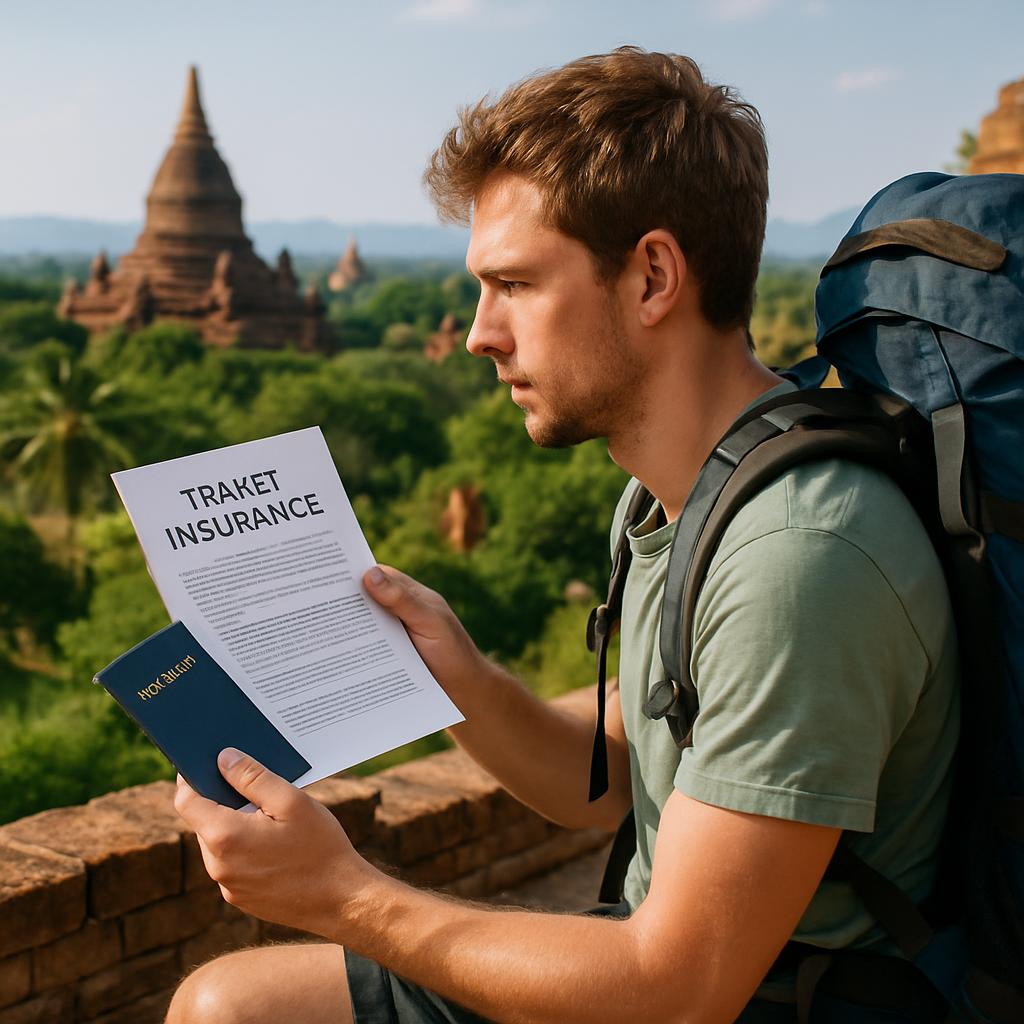
- Travel insurance for young backpackers in Southeast Asia often costs under $60 a month — far cheaper than medical bills that can reach five figures.
- Region-specific risks like scooter accidents, food poisoning, dengue, and monsoon flight delays are common claims, not rare exceptions.
- Standard resort-style policies often fail to cover the realities of budget backpacking in Thailand, Vietnam, Cambodia, and Bali.
- Remote-island medical evacuations are a major expense that proper coverage can protect against.
Introduction: Why Travel Insurance Is the One Thing Budget Travelers Shouldn’t Skip in Southeast Asia
If you’re backpacking Thailand, Vietnam, Cambodia, or Bali on a tight budget, travel insurance is the cheapest disaster prevention you can buy — usually under $60 a month for a young traveler, against medical bills that can run into five figures. The region is the world’s budget-travel paradise, but it carries very specific risks that resort-style policies were never designed to handle. Scooter spills, food poisoning, dengue, monsoon flight chaos, and remote-island medical evacuations are the bread and butter of claims here, not the rare exceptions.
The temptation to skip coverage is real. When you’re trying to stretch a daily budget — and yes, the genuine number is closer to $30–40 a day than the mythical “£10 a day” you’ve seen quoted online — an insurance premium feels like money spent on nothing. But that math collapses the moment something goes wrong. A broken collarbone from a scooter fall at a private Thai hospital can cost $3,000–8,000, and a serious case requiring evacuation to Bangkok or Singapore can run far higher. That’s a GoFundMe-level event you can avoid for the price of a few hostel nights.
This guide focuses tightly on what budget and long-term travelers in Southeast Asia actually need: real 2026 prices, the motorbike fine print that voids more claims than anything else, and a clear comparison of the providers backpackers genuinely use. We’ll skip the generic “always wear sunscreen” filler and get into the decisions that change whether your claim gets paid. By the end, you’ll know which policy fits your trip style, your budget, and your route — and how to verify it before you fly.
What should you look for in travel insurance for Southeast Asia?
The four non-negotiables for Southeast Asia are explicit motorbike/scooter coverage, strong medical evacuation limits, adequate emergency medical coverage, and flexibility for open-ended trips. Everything else — trip cancellation, baggage, adventure add-ons — is situational and should be layered on based on your actual plans, not bought blindly.
Start with medical and evacuation, because that’s where the real financial risk lives. A practical floor is around $100,000 in emergency medical and $100,000+ in evacuation coverage — hospital costs in the region are lower than in the US or Europe, but evacuation to a major hospital in Bangkok or Singapore, or a repatriation flight home, is genuinely expensive. Medical evacuation is described as the single most expensive risk you face in the region, which is exactly why a low evacuation cap is a red flag even on an otherwise cheap plan.
Next, check your route is actually covered and your trip length fits the policy structure. Insurers price differently by region, and a policy covering only Asia will be cheaper than worldwide-including-USA cover — so don’t overpay for geography you won’t use. Long-term backpackers should also be wary of buying a six-month policy upfront. Most backpackers don’t know their exact return date, and buying a long premium policy upfront is a real financial risk if plans change. Subscription-style monthly plans solve this neatly.
The motorbike clause that voids more claims than anything else
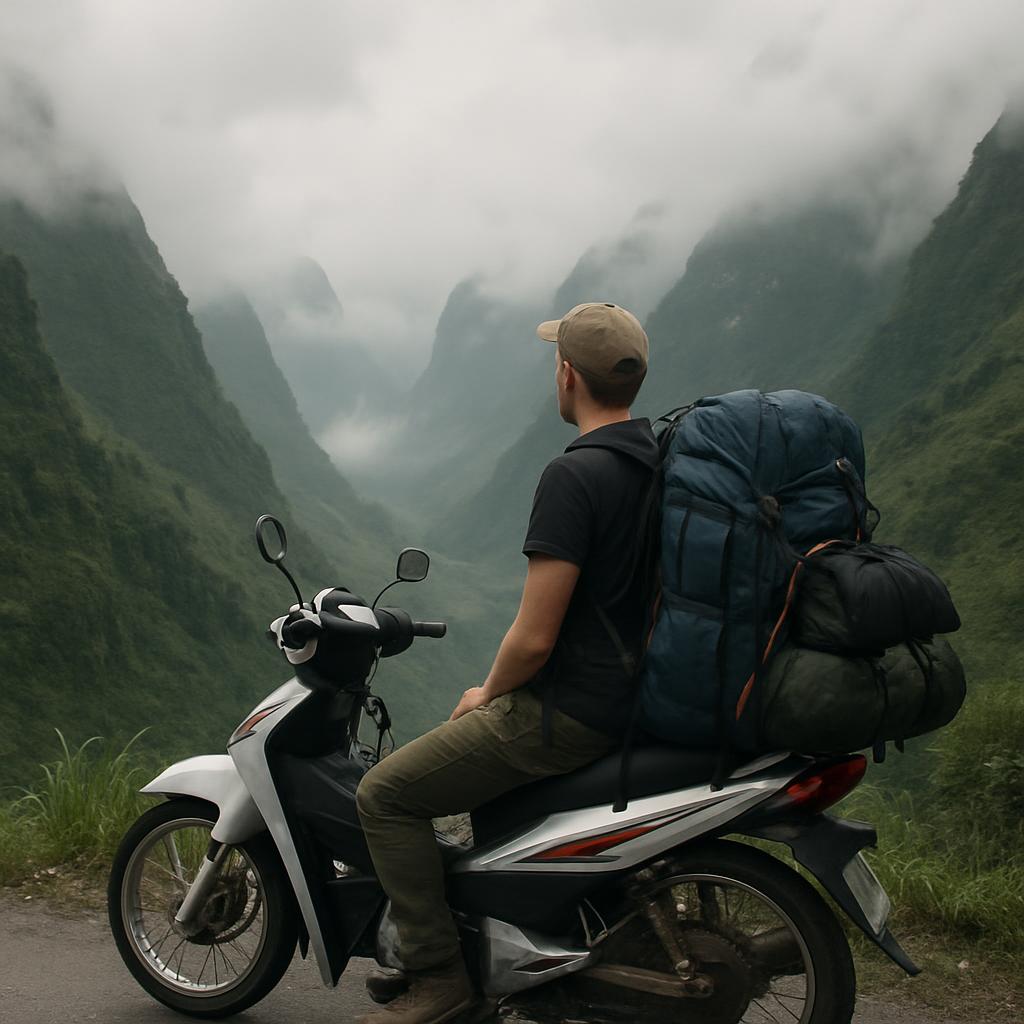
Read this part twice: most standard travel insurance excludes motorbike accidents unless you hold a valid motorcycle license in your home country and are wearing a helmet, and some policies exclude all two-wheeled vehicles entirely. This is the number one reason backpacker claims get denied in Southeast Asia, where renting a scooter is practically a rite of passage. Engine size matters too — many policies won’t cover any accident on a vehicle whose engine exceeds 125cc.
The practical problem is that the typical rental scooter you’ll find in Pai, Koh Phangan, or Canggu — a Honda Click, Yamaha Mio, or Honda Scoopy — is 110–125cc, and the Ha Giang Loop in Vietnam usually requires a 150cc+ bike. If you plan to ride, you need a policy that names “motorcycle” or “scooter” coverage explicitly and matches the engine size you’ll actually rent. Riding drunk or carrying a passenger you’re not legally permitted to carry will void coverage every time, no exceptions.
Adventure activities and altitude limits
Southeast Asia is built for the activities standard policies love to exclude. Muay Thai insurance may cover training but not sparring, and diving cover often caps the number and depth of dives — so check the specifics before you book that Koh Tao certification. If your itinerary includes serious trekking, watch the altitude ceiling: popular treks like Mount Kinabalu in Borneo, Mount Rinjani in Indonesia, and Mount Fansipan in Vietnam climb above 3,000m, and going above your policy’s height limit can void your cover entirely.
Which travel insurance is best for backpacking Southeast Asia?
For most budget and long-term travelers, the realistic shortlist is three providers: SafetyWing for the cheapest flexible subscription, Genki for the deepest medical coverage and the most forgiving motorbike rules, and World Nomads for adventure-heavy trips with trip cancellation. There’s no universal “best” — the right pick depends on whether your priority is price, medical depth, or activity coverage.
SafetyWing remains the default for budget nomads thanks to its subscription model and low entry price. The Essential plan starts at $62.72 per 4-week cycle for travelers aged 10–39, and one child under 10 travels free on that plan. The catch budget riders must know: SafetyWing Essential covers scooters only up to 50cc, while the Complete plan covers up to 125cc as standard — which is a problem given most rental scooters are 110–125cc. Also note the billing quirk: the 4-week cycle means you’re charged 13 times a year, not 12, so the true monthly cost is higher than the headline.
Genki has become the standout pick for scooter-renting backpackers. Genki Traveler covers motorbikes and scooters up to 125cc regardless of whether you hold a motorcycle license, with a helmet as the only requirement for drivers. Its medical limit is also far higher — around EUR 1,000,000 in coverage, with a quoted price of roughly EUR 63.90 per month for a traveler in their early 30s. The trade-off: Genki is medical insurance only — no trip cancellation, no luggage cover, no flight delay compensation. Pair it with a cheap trip policy if you need those.
World Nomads is the adventure specialist. Its Standard plan works for backpackers at around $94 for unlimited trip length, with the Explorer plan at roughly $157 adding higher medical limits. World Nomads Explorer covers motorbike injuries if you hold a valid motorcycle license, plus 200+ activities and genuine trip cancellation — which neither SafetyWing nor Genki offer. The downside is that it requires a fixed end date and full upfront payment, making it less ideal for open-ended slow travel.
What do real-world results and reviews show?
Real-world claims data shows two things clearly: the cheapest plan isn’t always the one that pays out smoothly, and most Southeast Asia claims cluster around the same handful of incidents — scooter accidents, food poisoning, and theft. Reviewers who have filed actual claims consistently rate Genki highly for fast payouts, while SafetyWing earns praise for price but draws complaints about documentation and denials.
On the data side, SafetyWing’s Trustpilot rating sits around 4.1/5 across 8,400+ reviews, with average claims processing near 8 business days, and complaints centering on tedious document requirements and slow pre-authorization. A useful insider tip from the same review: contacting SafetyWing for pre-authorization before treatment rather than after can increase final reimbursement by roughly 10–15%. That’s a concrete habit worth adopting regardless of provider.
The qualitative reviews tell a more nuanced story. One long-term nomad couple who switched from SafetyWing to Genki reported three SafetyWing claims that ended in denials, then a Bali scooter-accident claim with Genki that was reimbursed within a week. The Broke Backpacker team — who collectively bought over 30 policies and filed 15 claims — found Genki paid out on multiple Southeast Asia incidents within a 3–4 week window without demanding unusual documents. The recurring lesson: keep every receipt and doctor’s note, because thorough documentation is what separates a paid claim from a rejected one.
It’s worth noting what reviewers flag as weaknesses too. SafetyWing’s base plan doesn’t really cover expensive electronics and offers a low travel-delay payout, which matters if you carry a pricey camera. And Genki’s lack of luggage and trip cover means it won’t help when your bag gets mishandled at the airport. Knowing these gaps in advance lets you patch them rather than discover them mid-crisis.
How do the top Southeast Asia travel insurance plans compare?
The table below summarizes the practical differences that matter for a budget Southeast Asia trip. Prices are approximate 2026 figures for younger travelers and rise with age — always verify live pricing before buying, as insurers adjust rates periodically.
| Provider | Starting Price (under 40) | Medical Limit | Scooter Coverage | Best For |
|---|---|---|---|---|
| SafetyWing Essential | ~$62.72 / 4 weeks | $250,000 | Up to 50cc only (Complete: 125cc) | Budget nomads, open-ended trips, non-riders |
| Genki Traveler | ~EUR 63.90 / month | ~EUR 1,000,000 | Up to 125cc, no license needed (helmet required) | Scooter riders, deep medical cover, slow travel |
| World Nomads Standard | ~$94 (unlimited length) | $100,000–$300,000 | With valid motorcycle license | Adventure trips, divers, trip cancellation needs |
| World Nomads Explorer | ~$157 | Higher limits | Larger bikes with valid license | Ha Giang Loop riders, paragliders, high trekkers |
The headline takeaway: Genki and SafetyWing are the most competitive overall — SafetyWing Essential is generally cheaper for most age brackets including families, while Genki is cheaper once you’re over 50. World Nomads sits at a higher price point but justifies it for adventure travelers who need both activity coverage and trip cancellation in one policy.
One structural difference is easy to overlook: World Nomads requires a fixed end date and full upfront payment and isn’t available to EU residents, while Genki and SafetyWing both run on flexible cancel-anytime subscriptions. For a backpacker with a loose return date, that flexibility alone can be the deciding factor — there’s no penalty for cutting your trip short or extending it on a whim.
Finally, remember none of these three provide truly continuous multi-year cover. These standard plans cap at 12 months and may not suit permanent expat life or multi-year slow travel — for that you’d look at upgraded products like Genki Native or SafetyWing Complete, which add chronic-condition and maternity coverage at a higher price.
How do you choose the right policy for your trip?
Choose by matching your single biggest risk to the plan that covers it best: if you’ll ride a scooter, prioritize Genki’s no-license 125cc cover; if you want the cheapest flexible cover and won’t ride, SafetyWing Essential wins; if you’re doing serious adventure activities with trip bookings to protect, World Nomads earns its higher price. Then patch the gaps with add-ons or a second policy.
The 6-step decision checklist
- Map your activities first. List every risky thing you’ll do — scooter, diving, trekking, Muay Thai — and confirm each is named in the policy, including engine size and dive depth limits.
- Set your medical and evacuation floor. Aim for $100,000+ medical and $100,000+ evacuation as a minimum; higher is better for remote islands.
- Match the structure to your dates. Open-ended trip? Choose a monthly subscription (SafetyWing or Genki). Fixed trip with pre-paid bookings? World Nomads’ trip cancellation pays off.
- Confirm your route is covered. Check every country on your itinerary is included — Thailand, Vietnam, Cambodia, Laos, Indonesia, the Philippines and beyond — and that the region definition isn’t excluding part of your trip.
- Check valuables coverage. If you carry a laptop or camera, verify electronics limits or add a rider — base plans often cover them poorly.
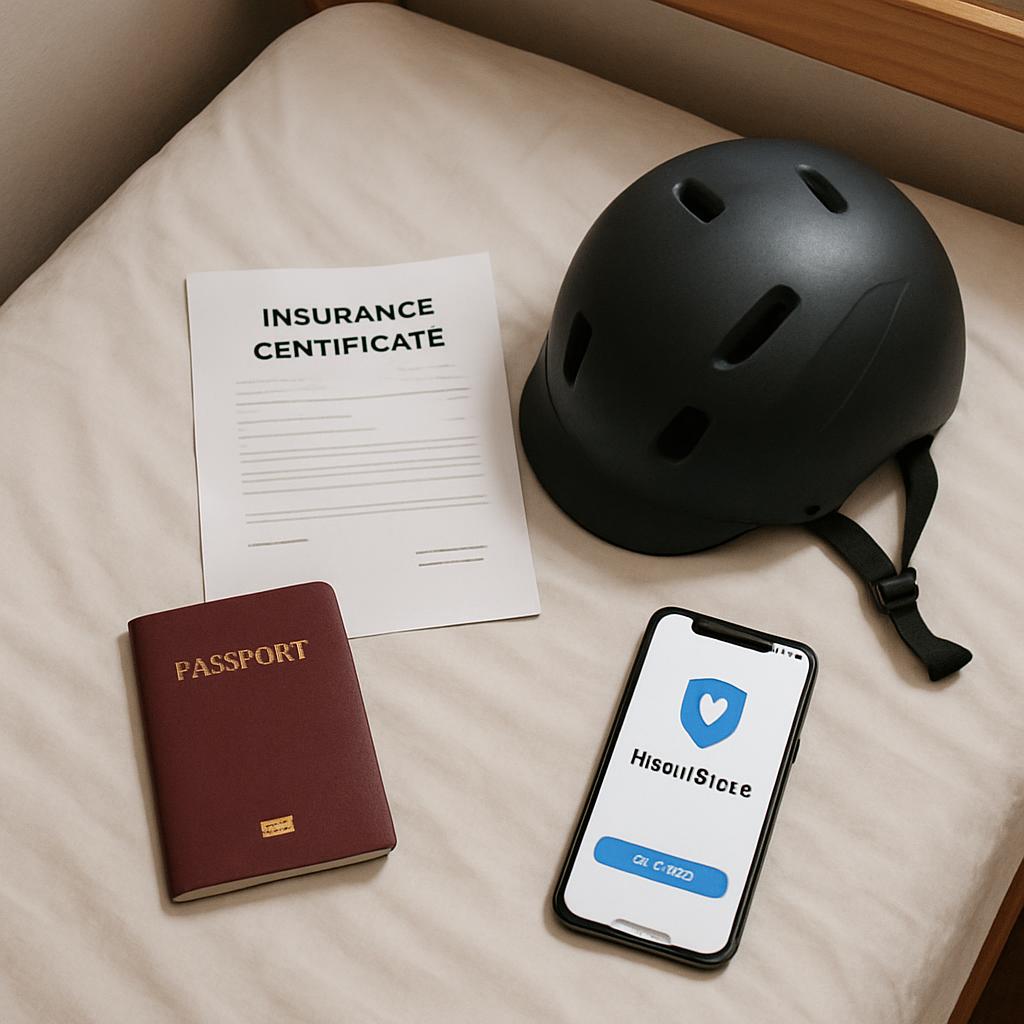
- Buy before you fly and get an English certificate. Coverage typically starts from purchase, and immigration may want proof in English.
The border-crossing and visa reality
Here’s a practical detail competitors gloss over: most Southeast Asian countries do not require travel insurance for tourist visas, but some land borders may ask for proof of onward travel and insurance, making a verifiable certificate cheap peace of mind. If you’re crossing overland from Thailand into Laos or Cambodia, having a printed, English-language certificate with a checkable policy number in your document folder smooths those occasional spot checks. Keep both a digital and printed copy.
One common mistake worth flagging: assuming your existing health insurance or credit card travel perks are enough. International health plans often exclude trip cancellation, evacuation and baggage, and your home health plan typically won’t reimburse prepaid hotels, tours or flights. These products solve different problems — don’t treat one as a substitute for the other. For any pre-existing condition or specialized medical need, verify coverage details directly with the insurer and, where relevant, a qualified medical or insurance professional before you travel.
Affordable Add-Ons and Gear That Make Your Coverage Actually Work
Insurance is only one layer of staying safe and solvent on the road, and a few low-cost companions make a real difference. A reliable travel eSIM means you can reach your insurer’s 24/7 medical line or pre-authorize treatment the moment you land, instead of hunting for a SIM kiosk while injured. A sturdy DOT-rated helmet you actually trust — rather than the cracked rental one — is both a safety essential and, crucially, the literal condition that keeps your scooter claim valid under policies like Genki.
Equally useful is a lockable, slash-resistant daypack to protect the camera and laptop that base insurance plans under-cover, plus a waterproof document pouch to keep your printed English insurance certificate dry through monsoon season and border crossings. A small first-aid and rehydration kit handles the food-poisoning episodes that account for a large share of regional claims, often saving you a clinic visit entirely. None of these are expensive, and together they reduce both your risk and the number of claims you’ll ever need to file.
If you’re booking insurance and travel gear for a Southeast Asia trip, compare current live plans and prices directly with each provider before you commit — rates change, and the right policy depends on your exact route, age, and activities. Check the latest SafetyWing, Genki, and World Nomads quotes alongside the gear that keeps your coverage valid, and buy before you board your flight.
Frequently Asked Questions
Book Unforgettable Tours & Experiences
Skip the tourist traps. GetYourGuide connects you with top-rated local guides and hand-picked activities — with free cancellation on most bookings.
Disclosure: This post contains affiliate links. We may earn a commission at no extra cost to you.