
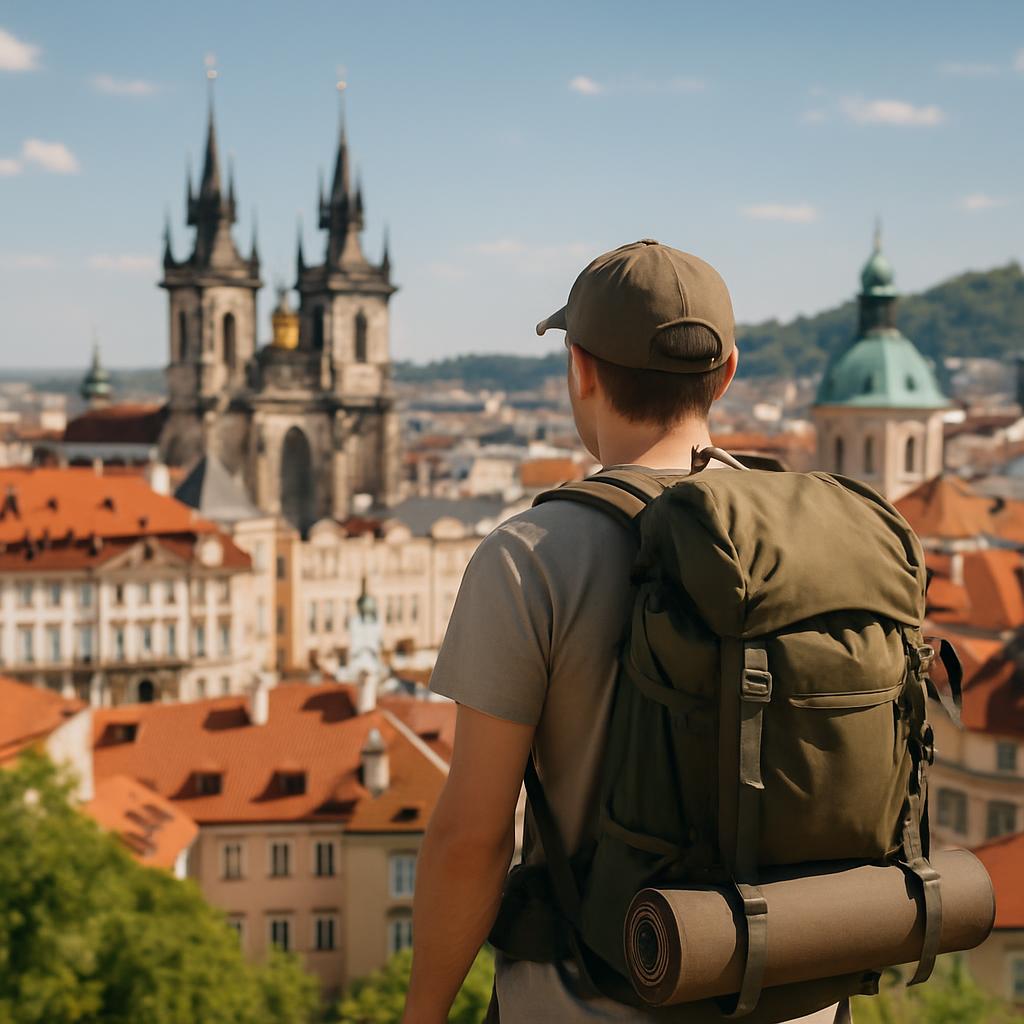
- Eastern Europe remains Europe’s best value-for-money region for backpackers in 2026, with daily budgets of roughly €35–55.
- Cities like Krakow, Budapest, Belgrade, and Sofia offer world-class architecture, thermal baths, and food at a fraction of Western prices.
- Although prices have risen across the continent, the cost gap between Eastern and Western Europe is still dramatic.
- A typical daily budget covers a hostel bed, food, local transport, and a sight or two.
Introduction: Why Eastern Europe Is Still the Smart Budget Choice in 2026
Eastern Europe remains the best value-for-money region in Europe for backpackers in 2026, with realistic daily budgets of roughly €35–55 covering a hostel bed, food, local transport, and a sight or two. Cities like Krakow, Budapest, Belgrade, and Sofia deliver world-class architecture, thermal baths, ruin bars, and serious food scenes at a fraction of Western European prices — which is exactly why this corridor keeps topping budget-route lists year after year.
Prices have crept up across the continent, and Eastern Europe is no exception, but the gap with the west is still dramatic. As one widely cited 2026 cost guide puts it, going east is the key to affordable Europe: Europe on a budget is harder than it used to be, but the key is going east — while Western Europe punishes your wallet, Prague, Budapest, Krakow, and Belgrade offer world-class culture at a fraction of Western prices. That single strategic decision — anchoring your route in the east rather than treating it as an afterthought — does more for your budget than any single money-saving hack.
This guide lays out a practical, north-to-south route through four standout cities, with grounded numbers for hostels, intercity buses and trains, food, and attractions. It also covers the part most “ultimate guides” skip: what to actually cut. Not every museum, day trip, or “must-do” is worth your limited cash, and knowing what to skip is what separates a comfortable three-week trip from one where you run out of money in week two. Everything below uses current 2026 price ranges, with the caveat that exact fares fluctuate by season and how far ahead you book.
What should you look for in a budget Eastern Europe route?
A good budget route minimizes backtracking, keeps intercity legs short and cheap, and mixes “party” cities with quieter, lower-cost stops so your average daily spend stays balanced. The classic Krakow → Budapest → Belgrade → Sofia line works because each city is roughly a half-day bus ride from the next, the whole thing flows in one geographic direction, and costs generally drop as you head south into the Balkans.
Direction and sequencing matter more than people realize. Running the route north-to-south means you start in the (slightly) pricier Schengen-zone cities of Poland and Hungary and end in non-euro Serbia and Bulgaria, where your money stretches furthest. Romania and Bulgaria represent the floor of European travel costs at $30–50 per day on a budget, and these aren’t compromise destinations — Sofia’s growing food scene and the surrounding region offer genuine travel experiences at prices that make Western Europeans do a double take. Ending cheap also means you’re not white-knuckling your remaining cash at the most expensive point of the trip.
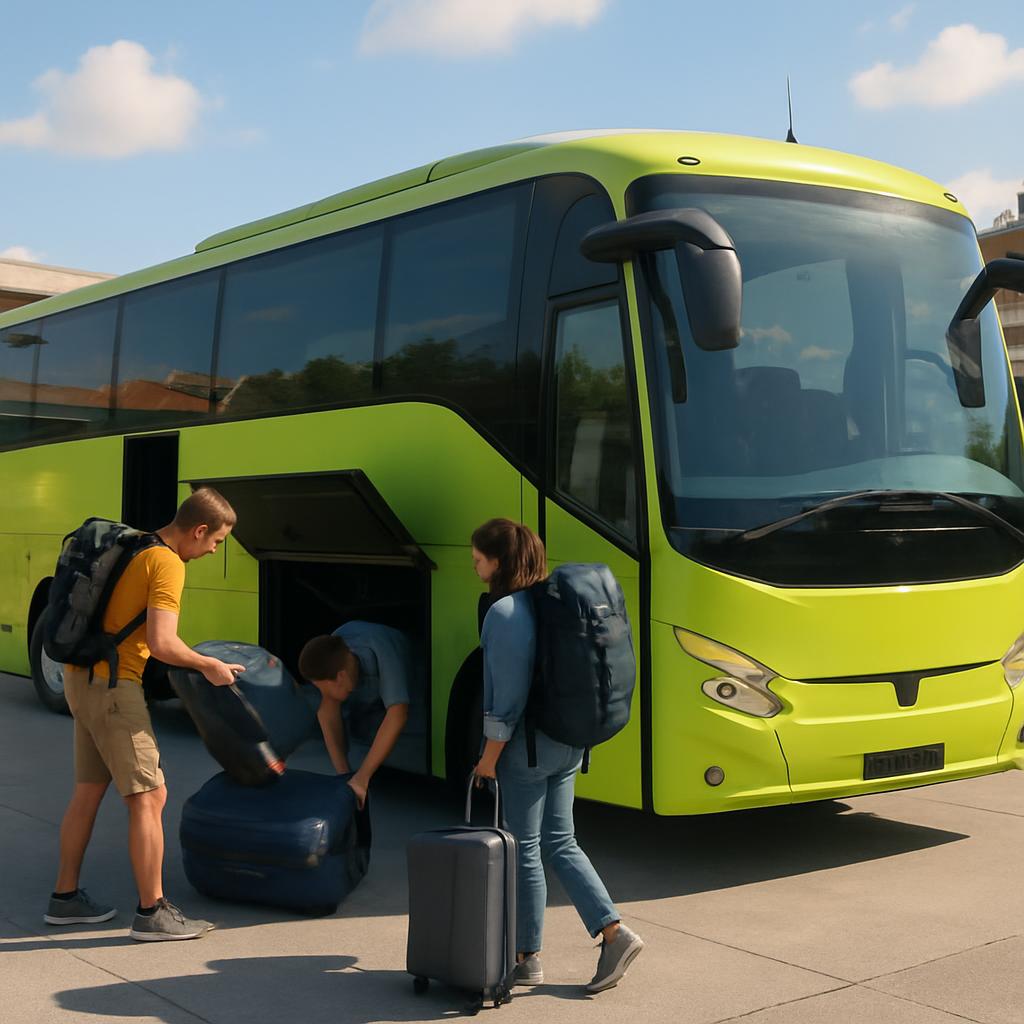
The second thing to look for is transport efficiency. Budget intercity buses, primarily FlixBus, connect all four cities directly and cheaply, while trains exist but are often slower and pricier. You also want to factor in border friction: Poland and Hungary are in the Schengen zone, but crossing into Serbia (non-EU) and then into Bulgaria involves passport checks that can add an hour or two to a journey. None of this is a dealbreaker — it just means building in buffer time and not booking tight same-day connections.
Which cities should you prioritise on a Krakow–Sofia route?
For a three-week trip, prioritise Krakow, Budapest, Belgrade, and Sofia in that order, giving roughly 4–5 nights each and using the remaining days for one or two side trips. These four anchor a clean, southbound line, each offers a strong free-walking-tour scene, and the hostel cultures range from famously social to relaxed and artsy — so you can dial the vibe up or down as you go.
Krakow and Budapest: the Central European anchors
Krakow is the ideal launchpad. It’s compact, intensely walkable, and packed with free or cheap sights around the Old Town and Wawel Castle. One backpacker who covered the city noted she never used public transport once in Krakow because the city was walkable and everything she needed was within half an hour’s walk. Hostels here are a bargain and famously social: many include genuinely useful freebies. As one 2026 roundup describes, the standout feature of several Krakow hostels is the vast amount of free amenities including free breakfast, free linen, a free walking tour, endless coffee and tea, free lockers, free laundry, and free luggage storage.
Budapest is the natural second stop and arguably the centerpiece of the route. Budapest in 2026 offers pastel sunsets over the Danube, cheap beers in neon-lit ruin bars, and hostels packed with social events — balancing wild nights with wellness mornings, with walkable sights, low prices, and a youth-powered culture that makes it a top-tier backpacker city. For lodging, a helpful neighborhood rule of thumb from Hostelworld: District VII (the Jewish Quarter) is for parties, District V for walkable sights, and District IX for low-key and artsy. Pick your district to match your travel mood.
Belgrade and Sofia: the Balkan value zone
Belgrade rewards travelers who like grit, energy, and nightlife over polished tourist infrastructure. Hostel dorms are cheap, the riverside party scene is legendary, and street food like pljeskavica costs just a couple of euros. Belgrade may offer a slightly lower average cost than Budapest, particularly for food and entertainment outside peak tourist areas. Sofia, the final stop, is an underrated capital where many historical sites, churches, and parks are free, museum entry typically runs €5–15, and free walking tours offer excellent introductions to the city’s history.
If you have extra days, the strongest add-ons are an Auschwitz-Birkenau day trip from Krakow (sobering and worth the time) and a Danube Bend or thermal-bath day in Budapest. From Belgrade and Sofia, day trips to nearby monasteries or mountains are cheap but optional. The key is not to over-schedule: four solid cities done well beat seven cities rushed, and every extra stop adds transport cost and a “first day finding your feet” tax.
What do real-world prices and traveler reports show?
Real-world 2026 data confirms the headline numbers: budget backpackers consistently report daily spends in the €35–55 range across all four cities, with the Balkan stops trending lower. Backpackers typically spend an estimated €35–55 per day in many Central and Eastern European cities, including Belgrade and Budapest. That figure assumes hostel dorms, a mix of street food and self-catering, free walking tours, and modest drinking.
On accommodation, the numbers are encouraging. In Budapest it averages around $37 a night for a hostel, though $25 a night or less is considered a good deal, and the least expensive recently found was $11. Belgrade is cheaper still: on average, a hostel in Belgrade costs about $18 per night based on Booking.com prices. Across the Balkans generally, hostel dorm beds in both Belgrade and Sofia typically range from €15–30 per night. Note that party-heavy weekends and festival periods spike these averages sharply, so book those dates early.
Food and drink are where the value really lands. Daily food spend in Belgrade and Sofia runs an estimated €10–20, with restaurant mains around €8–15 and street food like pljeskavica or banitsa costing just a few euros. Beer is famously cheap — in Budapest’s bars a pint runs roughly the price of a coffee in London. Local transport is a rounding error: public transport typically costs €5–10 per day for passes or multiple single tickets in both Belgrade and Budapest, and in walkable Krakow you may skip it entirely.
How do the four cities compare on cost and transport?
Here’s a side-by-side snapshot of the route’s four cities, plus the intercity legs that connect them. All figures are current 2026 ranges for budget backpackers and will vary with season and booking lead time. Treat the daily totals as a planning baseline, not a guarantee.
| City | Hostel dorm (per night) | Typical daily budget | Currency / zone | Best for |
|---|---|---|---|---|
| Krakow | €10–25 | €35–50 | Polish złoty / Schengen | Walkable Old Town, social hostels, Auschwitz day trip |
| Budapest | €11–35 (avg ~$37) | €38–55 | Hungarian forint / Schengen | Thermal baths, ruin bars, Danube views |
| Belgrade | €15–30 (avg ~$18) | €30–45 | Serbian dinar / non-EU | Nightlife, riverside scene, cheap grilled food |
| Sofia | €15–30 | €30–45 | Bulgarian lev / EU (non-Schengen) | Free sights, mountain backdrop, value food |
| Krakow → Budapest (bus) | — | From ~€24–55, ~6h 20m | FlixBus, 7 daily | Cheapest direct option |
| Budapest → Belgrade (bus) | — | From ~$28, ~7–8h | FlixBus + others | Border check; €2.55 station fee in Belgrade |
| Belgrade → Sofia (bus) | — | ~€15–30, ~5–7h | FlixBus / regional | Final southbound leg |
A few specifics worth knowing. The Krakow–Budapest bus is the route’s cheapest backbone: the FlixBus ticket from Krakow to Budapest starts at just $27.48, takes about 6 hours 20 minutes, and runs 7 times daily. Going the other direction, the Budapest to Kraków journey takes as little as 6 hours 40 minutes and can cost as little as €24.48, with the first bus at 05:30 and the last at 23:59. For Budapest–Belgrade, the cheapest bus tickets start from about $28, though prices climb sharply on busy days.
One easily-missed gotcha at the Serbian border: a bus station fee of 300 RSD (approximately €2.55) must be paid only with cash at Belgrade bus station counters to access the platforms. Carry a little local currency for exactly this kind of thing. Trains are an option too — there’s a scenic but slower overnight sleeper linking Budapest and Krakow, with a Budapest-to-Poland sleeper leaving Budapest Nyugati at 19:30 and arriving Krakow Glowny at 07:15, with fares starting at €69.90 for a bed in a 3-bed sleeper. That costs more than the bus but saves a night’s accommodation.
How do you actually plan and budget this trip? (A practical checklist)
To plan this route well, lock in your city sequence and rough nights first, pre-book buses for fixed dates, and keep your accommodation flexible for the rest. The single biggest budget lever is staying east and self-catering part of the time; the second is booking transport early, because FlixBus and train fares rise as seats fill.
Original value: a 21-day route and budget skeleton
- Days 1–5 — Krakow: Old Town, Wawel, Kazimierz, one Auschwitz day trip. Budget ~€40/day → ~€200.
- Days 6–10 — Budapest: Thermal baths, ruin bars, Buda Castle, Danube walk. Budget ~€48/day → ~€240.
- Days 11–15 — Belgrade: Kalemegdan fortress, riverside nightlife, street food. Budget ~€38/day → ~€190.
- Days 16–21 — Sofia: Free walking tour, churches, Vitosha mountain day. Budget ~€38/day → ~€228.
- Intercity transport (3 legs): ~€75–110 total if booked early.
- Buffer fund: Add €100–150 for laundry, SIM/eSIM, the odd splurge, and missed-connection insurance.
That puts a comfortable three-week trip in the rough ballpark of €1,050–1,250 on the ground, excluding your flights in and out. You can push it lower by cooking more, drinking less, and choosing larger dorms, or higher by adding private rooms and paid tours. The savvy-backpacker principle applies: keep a buffer fund for emergencies and unexpected expenses like laundry, souvenirs, toiletries, missed trains, and the like. Build that cushion in from day one rather than hoping you won’t need it.
What to skip to protect your budget
- Skip taxis from airports/stations — use Bolt or public transport; airport taxi overcharging is common, and in Belgrade the official voucher system at the airport helps you avoid it.
- Skip checked luggage on any budget flights — budget airlines charge for checked bags, so keeping everything in a carry-on backpack saves roughly €20–50 per flight.
- Skip paid city tours when free walking tours exist — all four cities have excellent tip-based options.
- Skip drinking at full price — most cities have happy hours between 5–7 PM that can save 50% on drinks, and many hostels offer free or cheap bar crawls.
- Skip over-stuffing your itinerary — every extra city adds transport cost and a lost half-day finding your feet.
Two practical caveats. First, on travel insurance: it’s not optional for a multi-country overland trip. General budget-travel guidance suggests travel insurance is essential, should cover medical expenses, trip cancellation, and personal belongings, with around $50–100 buying comprehensive coverage. Confirm specifics with the insurer, since coverage terms vary. Second, currencies: Poland uses the złoty, Hungary the forint, Serbia the dinar, and Bulgaria the lev — withdraw small amounts from bank ATMs, decline “dynamic currency conversion,” and avoid sketchy exchange kiosks.
Bottom line: is the Krakow–Sofia route worth it in 2026?
Yes — for travelers who want maximum culture, nightlife, and food per euro, the Krakow → Budapest → Belgrade → Sofia route is one of the strongest budget itineraries in Europe in 2026. You get medieval old towns, thermal baths, ruin bars, fortress views, and genuinely great food, all on a daily budget that would barely cover lodging in Paris or Amsterdam. The route flows logically southbound, the intercity buses are cheap and frequent, and costs trend downward as you go, which keeps your wallet comfortable through the final week.
The honest tradeoffs: prices have risen, Budapest weekends and festival dates spike hard, and the two border crossings add friction and a little planning overhead. None of that undermines the core value proposition. As budget-travel research consistently shows, Eastern Europe is where budget travel feels genuinely comfortable rather than like a constant exercise in restraint. That comfort — the freedom to say yes to a sit-down dinner or a bath day without panicking about your balance — is the whole point.
Your practical next step: pick your travel dates, then immediately price the three FlixBus legs and lock in any fixed-date ones while fares are low, leaving hostels flexible. Pack carry-on only, build in a buffer fund, sort travel insurance and an eSIM, and keep a little local cash for border fees. Do that, and you’ll have a three-week trip through four unforgettable cities for roughly the cost of a long weekend in Western Europe — which is exactly why this corner of the continent keeps earning its spot at the top of every serious backpacker’s list.
- Travel Insurance for Budget Backpackers in Southeast Asia: What You Need to Know
- Budget Travel in Japan 2026: Itinerary, Costs, and Hidden Gems Beyond Tokyo
- How to Explore Southeast Asia on a Budget Without Missing Hidden Gems
- Exploring Southeast Asia on a Budget: Discover Hidden Gems and Save Money
Gear and booking tools that make this route easier
A few well-chosen tools genuinely lower the cost and stress of an overland Eastern Europe trip. A comfortable 40L carry-on backpack lets you skip checked-bag fees on budget flights and move easily between bus stations and hostels. A good padlock for hostel lockers, a universal travel adapter, a packable daypack for city walks, and a microfiber towel (not all Balkan hostels include one) round out the essentials.
For booking, Hostelworld and Booking.com cover dorm reservations across all four cities, FlixBus and Omio handle the intercity legs, and a reliable eSIM keeps you connected for maps and Bolt rides without roaming charges. A no-foreign-fee debit card paired with bank ATMs will save you real money across four different currencies versus airport exchange counters.
None of these are mandatory — you can absolutely wing this route — but the right pack and a couple of zero-fee payment cards typically pay for themselves within the first week through avoided baggage fees and bad exchange rates. Choose gear that earns its place in a carry-on, and book transport early for the best fares.
Frequently Asked Questions
Book Unforgettable Tours & Experiences
Skip the tourist traps. GetYourGuide connects you with top-rated local guides and hand-picked activities — with free cancellation on most bookings.
Disclosure: This post contains affiliate links. We may earn a commission at no extra cost to you.