
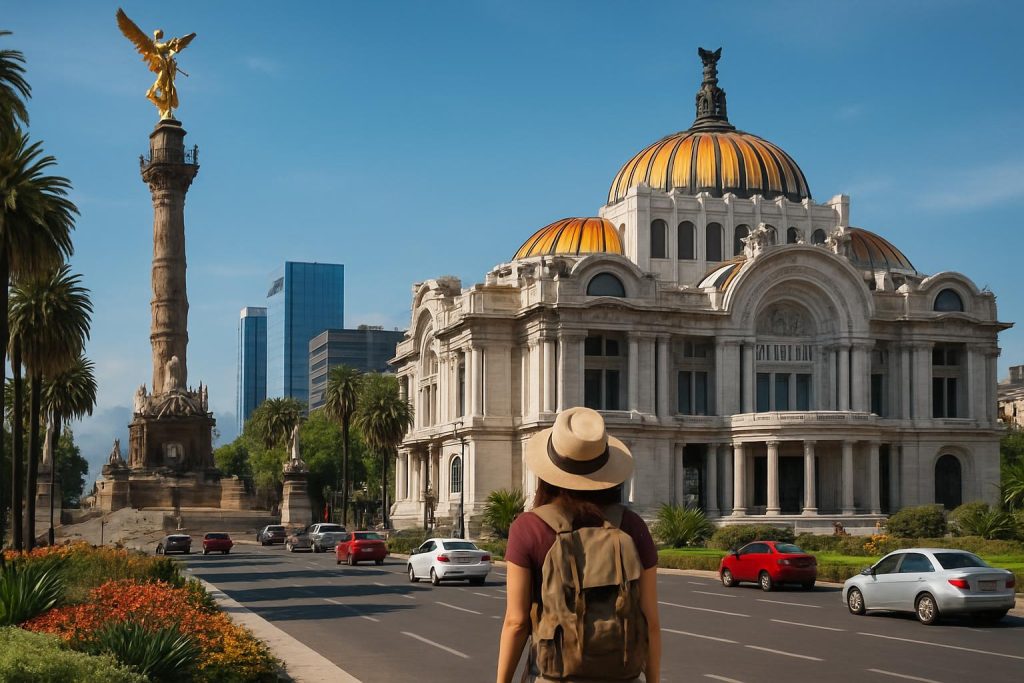
- Budget travelers can cover accommodation, meals, transport, and attractions in Mexico City for roughly $40–60 per day in 2026.
- Daily costs in Mexico City run 40–60% lower than comparable European or North American capitals, making it structurally affordable — not just tourist-discounted.
- Museum admissions average 80–90 pesos ($4–5), offering world-class collections at a fraction of what visitors pay in Paris or New York.
- The city’s affordability is driven by structural economic factors, meaning budget-friendly conditions are consistent and reliable for travelers.
Introduction: Why Mexico City Is Still a Budget Traveler’s Dream in 2026
Mexico City remains one of the best-value major capitals on the planet in 2026, and the numbers back it up: a careful backpacker can cover a hostel dorm, three street-food meals, local transport, and a couple of attractions for roughly $40–60 a day. Mexico City delivers exceptional value for tourists in 2026, ranking among the world’s most affordable major capitals for quality experiences with daily costs 40-60% below comparable European or North American cities, and museum admissions at 80-90 pesos ($4-5) provide access to world-class collections that would cost $15-25 in Paris or New York. That gap is the whole reason this guide exists.
The affordability isn’t a trick or a tourist discount — it’s structural. The affordability stems from a strong US dollar–Mexican peso exchange rate (roughly 17-19:1) and a genuinely lower local cost structure rather than tourist-specific discounting, so travelers experience authentic local pricing rather than the foreigner surcharges common in some destinations. The catch for 2026 is that a few things have shifted — bus fares nudged up, a new digital immigration system replaced paper forms, and the FIFA World Cup will spike prices in certain windows — so planning around those changes is what separates a smooth budget trip from an expensive surprise.
This guide is built around the real questions budget travelers actually type into Google before a CDMX trip: what a day costs, which neighborhood to sleep in, how the metro and food scene really price out, and how to avoid the mistakes that quietly wreck a tight budget. Every price below was checked against a current source rather than pulled from memory, and I’ve flagged where numbers are approximate or vary by season. Think of it as a spending map, not a wish list — the goal is to help you eat brilliantly, sleep safely, and still come home with money left over.
What should you budget per day for Mexico City in 2026?
Plan on roughly $40–60 USD per day as a budget traveler in Mexico City for 2026, covering a hostel bed, street food, metro rides, and one or two paid attractions. A budget traveler’s day breaks down into hostel dorm beds ($10–25), street food and market meals ($10–16), Metro and colectivos ($1–3), and free or low-cost attractions. If you want a private room, restaurant meals, and the occasional Uber, the number climbs — but even then CDMX stays cheap by global-capital standards.
It helps to see where independent data lands. For an independent trip to Mexico City, budget travelers should plan to spend around $77 (MX$1,375) per day, an average that includes hostels and budget hotels, affordable meal options, local transportation, and activities. That figure runs higher than the $40–60 backpacker floor because it blends in budget hotels and a few sit-down meals — a useful “comfortable but careful” midpoint. Where you land inside that range depends almost entirely on two levers: your bed and how often you eat in restaurants versus at taco stands.
Seasonality matters more than most first-timers expect. Off-season hotel prices average around $63, but in peak season they can average around $118. Two 2026 events will push prices hard in specific windows: Día de Muertos (November 1–2) is magical but busy — book months ahead — and FIFA World Cup matches in Mexico City (June–July 2026) will spike accommodation and flight prices. If your dates are flexible, avoiding those windows is the single biggest budget lever you control.
The one-week sample budget
Here’s a realistic seven-night frame for a solo budget traveler in 2026. Bed: a hostel dorm at roughly $17/night average works out near $120 for the week. With more than 70 hostels in Mexico City, the average price is $17 per night for a dorm bed. Food: eating street-and-market focused, you can budget around 300 MXN (roughly $16) a day. You can eat brilliantly here on 300 MXN a day if you stay street-food and market focused, or spend 2,000+ MXN on one destination meal. Transport: metro-heavy days rarely exceed 30–40 pesos. Add a Teotihuacán day trip and a few museums, and a frugal week lands comfortably under $500 excluding flights.
Where should budget travelers stay in Mexico City?
For most budget travelers, Roma Norte, Condesa, or Centro Histórico are the smartest bases in 2026 — Roma and Condesa for walkable safety and food, Centro for the cheapest rooms next to the big sights. Roma Norte and Condesa are the easiest safe areas to stay in Mexico City for a first trip, Polanco is the safest-feeling high-end option, and Centro is the best-value historic base if you stay near Bellas Artes or the Zócalo. Choosing between them is really a trade between price and calm.
Hostels are the backbone of a CDMX budget stay. Hostel dormitory beds range $15-25 per night in central neighborhoods including Centro Histórico, Roma, and Condesa; Mexico City Hostel in Roma Norte charges $18-22 for air-conditioned dorms with lockers and breakfast, Selina locations offer coworking-friendly dorms at $19-24 per bed, and the Mundo Joven chain charges $15-20 for basic but clean dormitories. If you’re traveling as a pair or small group, do the math on apartments: for four travelers splitting a two-bedroom apartment, the per-person cost ($19-30) can undercut hostel dormitory rates while providing superior privacy and a kitchen.
Safety is neighborhood-specific, not city-wide. For tourists who stay in central, well-touristed neighborhoods like Roma Norte, Condesa, Polanco and Coyoacán, Mexico City is considered safe in 2026 — the U.S. State Department maintains a Level 2 advisory (same as France or Spain) and tourist-targeted violent crime is rare in these zones. Centro Histórico is the classic budget move, but with a caveat worth taking seriously: travelers who booked Downtown because accommodation was cheaper found that during the day it’s iconic, but at night it can feel sketchy, and it’s surprisingly easy to drift onto the “wrong” street — Tepito is literally a couple of blocks from Palacio de Bellas Artes. The practical rule: stay near Bellas Artes or the Zócalo, and take an Uber or DiDi after dark rather than wandering side streets.
Quick neighborhood decision guide
Pick Roma Norte if you’re a first-timer, solo traveler, or foodie who wants the safest walkable base — it’s the default recommendation for a reason. Roma Norte is the safest and most convenient neighborhood for first-time visitors, combining low tourist crime rates, walkable tree-lined streets, an extensive café scene, and quick access to Centro, Chapultepec and the Cablebús. Pick Condesa for the same location with more green space and quieter nights near Parque México. Pick Centro Histórico to minimize room cost and be steps from the major monuments — just budget mentally for a more intense street environment and plan to Uber home late. Pick Juárez/Zona Rosa for a value middle ground, especially midweek.
How much do transport and food really cost in Mexico City?
Two things make CDMX unbeatable on a budget: a metro that costs about 25 US cents a ride and street food where a taco runs roughly a dollar. The fare for riding the Metro is five pesos for one trip. That flat fare holds no matter how far you travel, which turns the entire city into cheap territory. The metro is both quick and inexpensive — a single journey costs just 5 pesos (less than 0.5 EUR/USD), no matter how far you travel.
You’ll want the rechargeable card rather than fumbling for single tickets. The Mexico City Metro Card costs 15 pesos; when buying from a Metro station you’ll pay 20 pesos total — 15 for the card and 5 for the first ride. The same card works across systems, which matters because bus fares rose in late 2025. The Mexico City government approved a 1.50-peso increase in public transportation fares that applies only to buses — it does not apply to the Metro, Metrobús, Trolebús, Cablebús, or Light Train. A useful card trick for arrivals: you can pay for the route to Mexico City International Airport (AICM) with the Metro card, which costs 30 pesos. For anything after dark, budget travelers should still lean on apps — Uber and Cabify are the safest and most convenient ways to get around Mexico City.
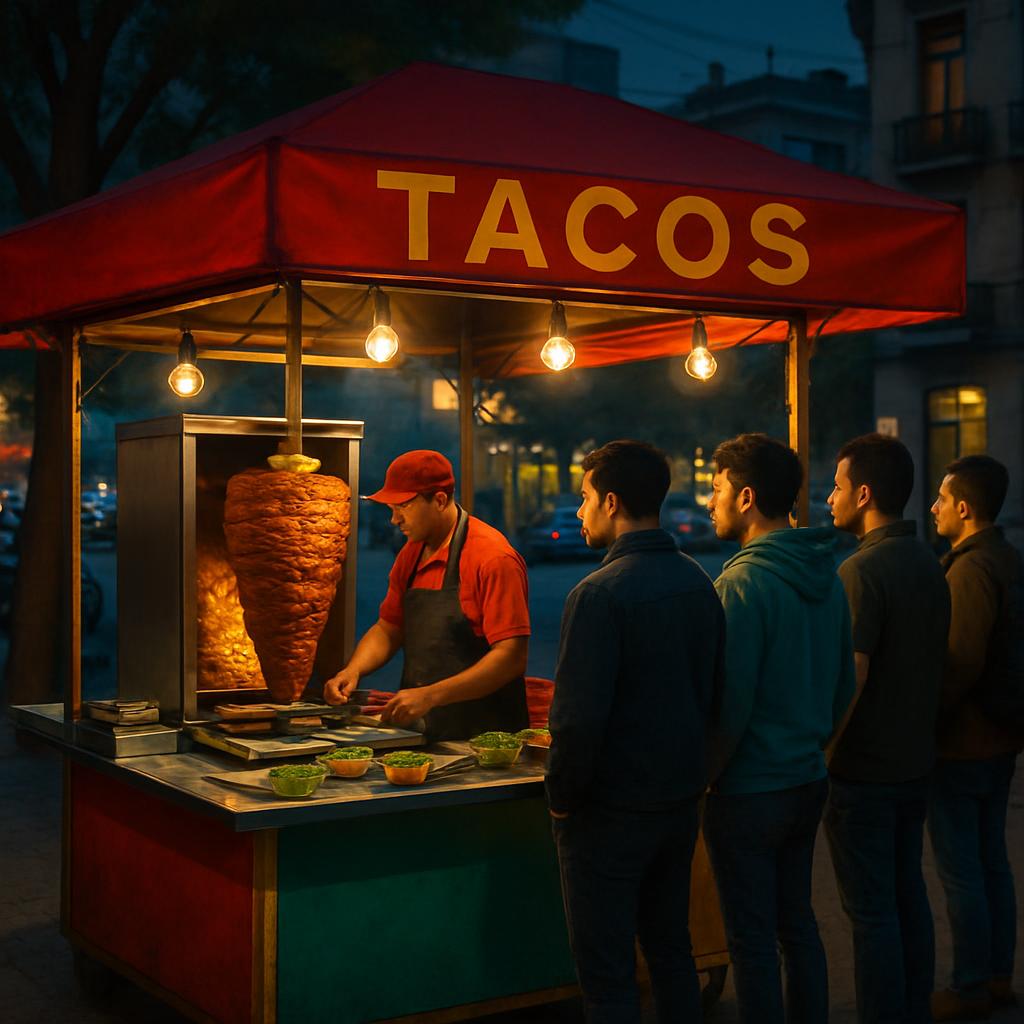
Food is where CDMX genuinely spoils you. Al pastor — the city’s signature taco — is the anchor of any budget eating plan. A great al pastor runs 20–35 MXN per taco. Basket tacos are even cheaper: one of the most affordable foods in Mexico, tacos de canasta cost 10-15 MXN each. For a full sit-down meal, the local secret is the comida corrida — a fixed lunch menu. Fondas and cocinas económicas serve a daily-changing set menu (comida corrida) for 80–150 MXN — this is how working Mexico eats lunch. The most important budgeting insight in the whole city: don’t use price as a quality signal in Mexico City — some of the best food comes from bicycles.
How do the top budget options compare?
Here’s a side-by-side of the core budget building blocks in Mexico City for 2026, with verified price points so you can slot each line into your own plan. Prices are approximate and shift with season, demand, and the peso exchange rate.
| Category | Budget Option | Approx. Price (2026) | Best For |
|---|---|---|---|
| Bed — hostel dorm | Mundo Joven / Selina / Viajero | $15–24 USD/night | Solo travelers, social stays |
| Bed — hostel private room | Private ensuite double | $40–65 USD/night | Couples wanting privacy |
| Bed — apartment (split 4) | 2-bedroom Roma/Condesa | $19–30 USD/person | Groups, longer stays |
| Transport — Metro ride | Single flat fare | 5 MXN (~$0.30) | Daytime, long distances |
| Transport — Metro card | Movilidad Integrada card | 15 MXN (card) + fares | Multi-system trips |
| Food — al pastor taco | Street taquería | 20–35 MXN each | Evening budget meals |
| Food — comida corrida | Fonda set lunch | 80–150 MXN | Full midday meal |
| Attraction — Teotihuacán | Entry (foreigner) | ~90–100 MXN | Signature day trip |
A note on the Teotihuacán line: sources report the gate price in the 80–100 peso range, and from January 1, 2026, there will be specific tickets for Mexican adults and non-national adults, so confirm the current foreigner rate at the gate. Reaching it is cheap either way — buses depart every 15–20 minutes from Terminal del Norte (Gate 8), and a round-trip ticket in 2026 costs approximately $120 MXN.
How do you plan a Mexico City budget trip without wasting money?
The fastest way to protect your budget is to attack the four biggest line items in order: dates, bed, food, and transport. Get those right and the small stuff takes care of itself. Below is a practical checklist plus the most common budget-killing mistakes and the fix for each — the errors that quietly add up far more than a few extra tacos ever would.
Pre-trip checklist: (1) Avoid the two price-spike windows — Día de Muertos and the June–July 2026 World Cup dates — unless those are your reason for going. (2) Book your hostel roughly a month ahead for the best-rated spots. If you want to stay at the best hostels, it is a good idea to have your hostel booked around 1 month before you travel. (3) Buy a Metro/Movilidad Integrada card on arrival and load 50–100 pesos. (4) Carry small bills and coins for street food and buses. (5) Budget for travel insurance — a genuine safety net, since data from Expat Assurance shows an emergency hospital stay can cost $3,000–$10,000 MXN per night (roughly $175-$585 USD). For any medical concerns, verify coverage and requirements with your insurer and a qualified professional before you go.
Common mistakes → the fix: Mistake: paying with big bills at taco stands. Fix: many street vendors have limited change, especially early in the day — carry 20s and 50s. Mistake: hailing street taxis at night. Fix: use Uber or DiDi rather than hailing taxis on the street, especially at night — it provides a digital trail and a set price. Mistake: booking Centro purely because it’s cheapest, then feeling unsafe after dark. Fix: stay near Bellas Artes/Zócalo or upgrade to Roma Norte. Mistake: keeping your phone in a back pocket on a crowded train. Fix: do NOT keep your phone in your back pocket — keep it in your front pocket, and take off your backpack. Mistake: showing up at a taco stand at the wrong hour. Fix: barbacoa is usually a morning play, tacos al pastor peak later, and fondas are strongest at lunch.
Free and near-free things that stretch the budget
CDMX rewards budget travelers with genuinely world-class free experiences, so you never need to spend heavily to fill a day. The Zócalo, Templo Mayor’s exterior, Chapultepec Park, and many gallery spaces cost nothing, and museum admissions elsewhere are a fraction of European prices. Coyoacán and its markets make a cheap, atmospheric afternoon, and simply walking Roma Norte and Condesa — akin to walking through a living, breathing architectural museum — is a free highlight in itself. Stack two or three of these around one paid attraction per day and your activity spend stays negligible.
The Bottom Line: Is Mexico City Worth It on a Budget in 2026?
Yes — emphatically. Mexico City in 2026 offers the rare combination of a world-class food scene, deep history, and genuine safety in the right neighborhoods, all at prices that let a careful traveler live well on $40–60 a day. Mexico City is a really affordable city to visit, and while prices have risen in the last couple of years, there are tons of affordable street food and accommodation and lots of free activities to help keep your costs down. The peso math, the 5-peso metro, and the dollar-a-taco reality remain intact this year.
The smart-money version of a CDMX trip is simple to summarize: base yourself in Roma Norte or Condesa for safety and walkability (or Centro if you’ll trade a little grit for the cheapest rooms), ride the metro by day and apps by night, eat street food and comida corrida instead of tourist restaurants, and slot in the near-free giants — the Zócalo, Chapultepec, Teotihuacán — around one paid attraction per day. Do that and your biggest expense will likely be the flight, not the city itself.
Two final planning reminders for 2026: lock your dates away from the Día de Muertos and World Cup price spikes if budget is the priority, and remember that a few costs — bus fares, tourist taxes elsewhere in the country, and travel insurance — are worth building in rather than discovering on the ground. Prices here are approximate and move with the exchange rate and season, so confirm current figures as you book. Beyond that, Mexico City makes budget travel feel less like sacrifice and more like a genuine upgrade in how you experience a place.
Frequently Asked Questions
Book Unforgettable Tours & Experiences
Skip the tourist traps. GetYourGuide connects you with top-rated local guides and hand-picked activities — with free cancellation on most bookings.
If you’re gearing up for a CDMX budget trip, a few well-chosen tools make the numbers above easier to hit: a good travel insurance policy (non-negotiable given local hospital costs), an eSIM for arrival-day navigation and Uber/DiDi, a slim anti-theft crossbody or money belt for crowded metro rides, a sturdy padlock for hostel lockers, and a reusable water bottle with a filter. Booking your hostel dorm and Teotihuacán day trip in advance through the major platforms also locks in the best-rated spots before they sell out around peak dates.
Disclosure: This post contains affiliate links. We may earn a commission at no extra cost to you.