

- Europe is not a fixed price tag; your destination choice can cut trip costs by half or more.
- Sarajevo tops the 2026 Post Office Travel Money barometer as Europe’s best-value city break at £248 (€287).
- A backpacker daily budget of roughly $30–45 is realistic across the Balkans, Bulgaria, Poland and Hungary.
- Treating ‘Europe’ as a sliding scale you control by region is the key to affordable travel.
Why Europe Is Surprisingly Affordable in 2026 (If You Know Where to Look)
Europe is not one uniform price tag — and in 2026, choosing the right city can cut your trip cost by half or more. The cheapest entry point this year is Sarajevo, named Europe’s best-value city break in the Post Office Travel Money City Costs Barometer, while a backpacker daily budget of roughly $30–45 is realistic across much of the Balkans, Bulgaria, Poland and Hungary. The single biggest mistake travelers make is treating “Europe” as a fixed expense instead of a sliding scale you control by destination.
The data backs this up clearly. For the first time, Sarajevo tops the 2026 barometer, with Sarajevo named Europe’s best value city break for 2026 at £248 (€287) for the barometer’s 12 items, joined in the top five by Bucharest, Tirana, Belgrade, and Trenčín. Meanwhile, the most expensive cities cost roughly three times as much. Oslo is the most expensive European city break for 2026 at £734 (€850), joined by Copenhagen, Edinburgh, Geneva, and Barcelona.
This guide is built for travelers who want to act on real numbers, not vague “Eastern Europe is cheap” advice. Below you’ll find a verified comparison table with daily budgets, a category-by-category cost breakdown, a step-by-step city-selection checklist, and a mistakes-and-fixes map. Every price here comes from a sourced 2026 reference — hostel aggregators, the Post Office barometer, and backpacker indexes — and is presented as an approximate range, because your real spend depends on season, booking timing, and travel style. The pattern is consistent: Eastern Europe dominates the best value chart once again, with eight of the top 10 places for some of the cheapest European city breaks.
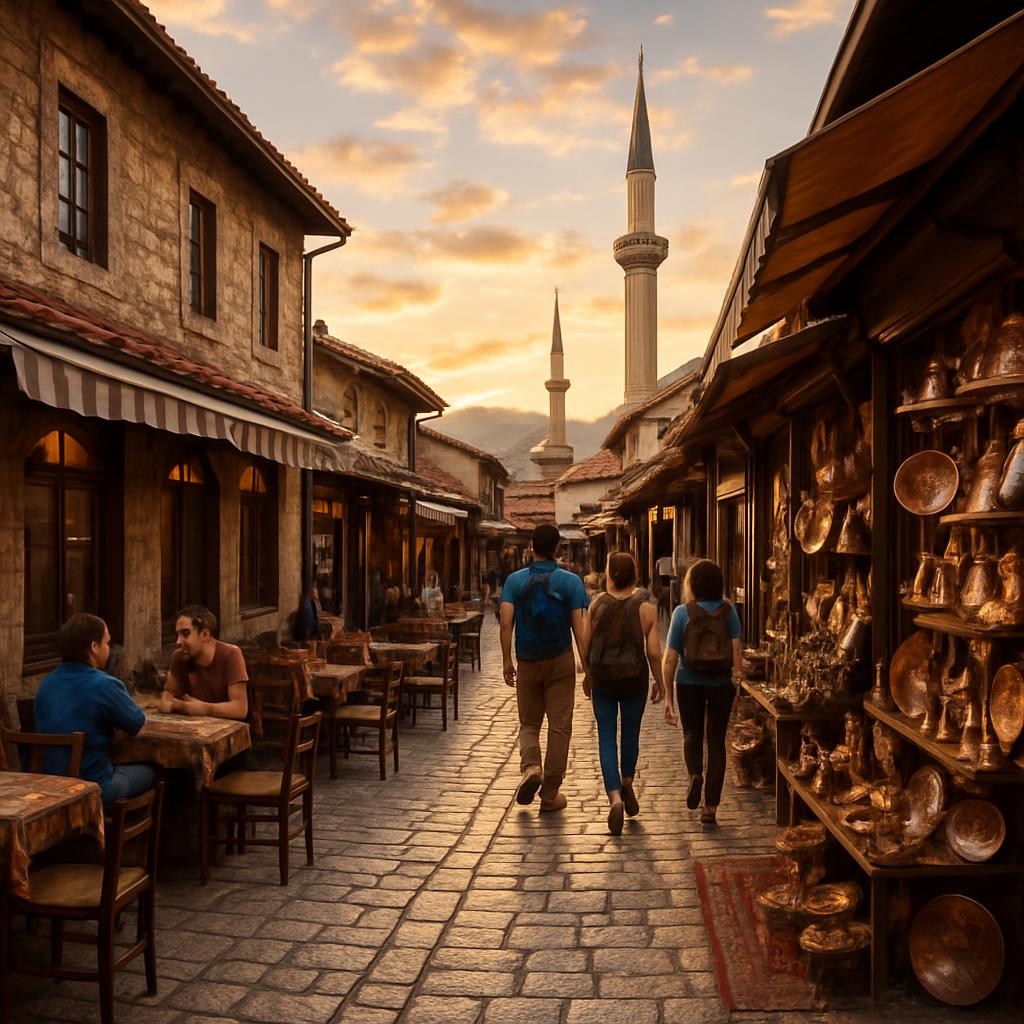
What should you look for in a cheap European city?
The cheapest European cities share four traits: low accommodation costs, affordable eating out, cheap or free public transport, and good-value attractions. Accommodation is the lever that matters most — it typically eats the largest share of any travel budget, so a city with €10–15 hostel dorms will almost always beat one with €30 dorms even if its restaurants are slightly pricier. Focus your research there first.
Accommodation dominance isn’t a hunch; it’s how budgets actually break down. Accommodation takes the largest bite of any travel budget, typically 35-45% of daily spending, with food next, then activities and transport — which means the single most impactful decision you make is where you sleep. For concrete reference points, the same source notes hostel dorms at $15-30 per night varying by country form the foundation of shoestring travel, but come with trade-offs in privacy and sleep quality. In the cheapest cities, dorms sit at the bottom of that range.
Eating out and transport are the other two big levers. In the cheapest cities you should expect full sit-down meals well under €10 and single transit tickets around €1–2. Per Budget Your Trip’s Europe data, transportation around most European cities by local tram, subway, or bus is typically around 2 euros for a one-way ticket, while food is much cheaper in the east than in the west. Going’s research adds that a monthly public transport pass in cities like Belgrade or Sofia costs less than $20. When all four levers point cheap, you’ve found a genuinely budget-friendly base.
How much should a budget day actually cost?
A realistic shoestring day in the cheapest European cities runs about $30–45 all-in, covering a hostel dorm, three modest meals, local transport, and one or two activities. The cheapest tier — Sarajevo, Tirana, Sofia, Belgrade — sits near the bottom of that band; mid-tier value cities like Krakow and Budapest land closer to $40–55. Going’s data shows Bosnia & Herzegovina and Bulgaria typically offer the lowest overall daily costs, with hostel accommodation from $8 per night and meals from $5–$12.
Which money-saving levers move the needle most?
Season and booking timing are the highest-impact moves after destination choice. Going reports that visiting during shoulder seasons (April–May and September–October) is one of the best ways to cut costs by 30–50%. Eating where locals eat is the second lever — a useful filter from MonkeyTravel: eat where locals eat — if the menu is in 4 languages, walk away; if it’s only in the local language, sit down. Self-catering is the third: a rented apartment with a kitchen, split among a small group, often undercuts even hostels while slashing food costs.
Which cities are cheapest for budget travelers in 2026?
For 2026, the cheapest verified picks are Sarajevo, Tirana, Sofia, Belgrade, Bucharest, Krakow, and Budapest — with the Balkans and Bulgaria at the absolute bottom and Poland/Hungary offering the best blend of low cost and easy logistics. Each below is matched to a traveler type so you can pick the right base rather than just the cheapest number on paper.
Sarajevo (Bosnia & Herzegovina) is the headline winner. Sarajevo has emerged as one of the most affordable city break options in Europe for 2026, offering a complete travel experience at very low cost, with food and transport significantly cheaper than in most European capitals. It’s ideal for history-focused travelers who want strong culture without crowds. Tirana (Albania) is the accommodation champion — Tirana ranked number one for the lowest accommodation prices in the 2026 barometer, making it among the cheapest destinations overall. Albania overall is frequently cited as the continent’s cheapest country, with daily costs starting around $30.
Sofia (Bulgaria) remains a long-standing bargain capital with one important 2026 caveat: Bulgaria adopted the euro this year, which may nudge prices up over time. Time Out notes that 2026 is big for Bulgaria, both because the country has just adopted the euro as its currency and because it launched a new digital nomad visa in December 2025. Belgrade (Serbia) suits nightlife and food lovers — Belgrade offers nightlife, food and riverside walks without big-city prices, with a strong dining scene and compact, walkable areas. A bonus for solo budget travelers: Belgrade’s buses, trolleys and trams are free for all passengers.
Best value if you want easy logistics: Krakow and Budapest
Krakow and Budapest are the sweet spot for first-timers who want low prices plus excellent flight connections and infrastructure. Krakow’s hostel scene is genuinely cheap: per Budget Your Trip, the average price for a dorm bed in a hostel in Krakow is an affordable $17, and a dorm bed for one week in Krakow works out to a remarkably economical $121. Budapest delivers thermal baths, ruin bars, and a daily budget of roughly $35–55, with one budget guide noting €45 covers bare essentials while €70+ lets you sprinkle in indulgences like bath parties.
Best value Western European option: Porto and Lisbon
If you want the cheapest slice of Western Europe, Portugal is the answer — pricier than the Balkans but a clear bargain versus Paris or Amsterdam. Brokepackr lists Portugal as the cheapest overall Western pick at about $37/day, with hostels from around $21/night. Lisbon stands out because compared to other western European capitals it offers exceptional value, and most top attractions are cost-free or require nominal admission fees. Porto adds free riverside walks and cheap port-wine tasting, making it a strong shoulder-season choice.

What do real-world costs and recent reports show?
Multiple independent 2026 datasets converge on the same conclusion: Eastern and Southeastern Europe deliver the lowest real-world costs, and the gap versus Western capitals is widening. The Post Office barometer, Budget Your Trip’s traveler-sourced index, and Going’s country data all rank Bosnia, Bulgaria, Albania, Serbia and Romania at or near the bottom for daily spend — which is exactly why those cities anchor this guide.
The reports also agree on the “why.” European travel in 2026 is becoming more budget-friendly than many expect, as rising living costs in major cities push tourists toward lesser-known destinations that offer rich culture and affordable experiences. Crucially, several Western hotspots are adding costs that don’t exist in the Balkans: trips to popular destinations have become increasingly expensive, with cities like Amsterdam, Barcelona, and Rome implementing tourist taxes and accommodation costs skyrocketing due to limited supply.
On the ground, the food and drink numbers are striking. In Bulgaria, one writer notes a domestic beer costs only about $2.50 to $3, according to Numbeo, while across Eastern Europe full restaurant meals come in under $10. In Poland, a classic budget hack still holds: eat at milk bars (Bar Mleczny), where you’ll get full meals for less than €5. One honest caveat worth flagging — recently euro-adopting or fast-growing destinations can inflate; Croatia, for example, saw noticeable inflation across the board after the introduction of the euro in 2023, a pattern worth watching in Bulgaria for 2026.
How do the cheapest European cities compare in 2026?
The table below compares seven verified budget cities by approximate backpacker daily budget, typical hostel dorm price, a standout cost advantage, and the traveler type each suits best. Figures are approximate ranges drawn from 2026 sources (Post Office barometer, Budget Your Trip, Going, Brokepackr and hostel aggregators) and will vary with season and booking timing — treat them as planning estimates, not quotes.
| City (Country) | Approx. daily budget | Typical dorm/night | Standout advantage | Best for |
|---|---|---|---|---|
| Sarajevo (Bosnia) | ~$30–40 | ~$8–15 | 2026 cheapest city break overall | History & culture seekers |
| Tirana (Albania) | ~$30–40 | ~$10–15 | Lowest accommodation prices in 2026 barometer | Coast-and-city combo trips |
| Sofia (Bulgaria) | ~$35–45 | ~$12–18 | Cheap beer (~$2.50–3), free city tours | Mountains + nightlife on a budget |
| Belgrade (Serbia) | ~$35–45 | ~$10–16 | Free public transport for all passengers | Nightlife & food lovers |
| Bucharest (Romania) | ~$35–50 | ~$12–18 | Cheap Wizz Air/Ryanair flight hub | Multi-city Balkan routes |
| Krakow (Poland) | ~$35–55 | ~$17 avg | Great-value hostels, walkable old town | First-time budget travelers |
| Budapest (Hungary) | ~$35–55 | ~£10–30 (~$13–38) | Thermal baths, ruin bars, €2 beers | Backpackers wanting nightlife + wellness |
Reading the table: if your top priority is the absolute lowest spend, start with Sarajevo or Tirana. If you weight easy flights and infrastructure more heavily, Bucharest, Krakow and Budapest win — and all three are budget hubs, with Sofia, Bucharest, and Budapest being major Wizz Air and Ryanair bases with flights across Europe from $15-30. The dorm prices are pre-tax base rates and climb in summer, which is why the next section’s checklist leans hard on season and booking timing.
How do you choose the right cheap city — and avoid the classic mistakes?
Choose your city by matching three things in order: your travel style (party, culture, coast), your tolerance for rougher logistics versus polished infrastructure, and your travel dates. Then lock the savings in with smart booking. Here’s a step-by-step selection checklist followed by the most common budget mistakes and the fix for each.
Step-by-step selection checklist:
- 1. Pick your tier. Rock-bottom spend → Sarajevo, Tirana, Sofia, Belgrade. Easy logistics → Bucharest, Krakow, Budapest. Cheapest West → Porto, Lisbon.
- 2. Lock shoulder season. Target April–May or September–October to cut accommodation 30–50% and skip crowds.
- 3. Book accommodation 2–4 weeks out. Per MonkeyTravel, book accommodation 2-4 weeks ahead — last-minute in cheap cities often means sold-out hostels, not cheaper prices.
- 4. Fly into a budget hub. Use Wizz Air/Ryanair bases (Sofia, Bucharest, Budapest) and keep everything carry-on.
- 5. Buy city cards only if you’ll use 3+ attractions. Otherwise skip them.
- 6. Check entry rules. Most Balkan budget cities aren’t in Schengen, which affects your 90/180-day clock (see below).
Common mistakes → the fix:
- Mistake: Booking last-minute expecting deals. Fix: reserve 2–4 weeks ahead; cheap-city hostels sell out rather than discount.
- Mistake: Eating on the main tourist drag. Fix: avoid multilingual-menu restaurants. Skip restaurants waving multilingual menus and “free” palinka — expect inflated bills.
- Mistake: Checking a bag on budget airlines. Fix: go carry-on only. Budget airlines charge for checked bags; keeping everything in a carry-on backpack saves €20-50 per flight.
- Mistake: Paying full price for drinks. Fix: use happy hours. Most European cities have happy hours between 5-7 PM; plan socializing then to save 50% on drinks.
- Mistake: Overpaying for tap-water alternatives and transit. Fix: carry a refillable bottle and use city transit apps (e.g., BudapestGO) for digital tickets.
The Bottom Line: Your Cheapest 2026 Europe Trip Starts With One Decision
The cheapest cities in Europe for 2026 are concentrated in the Balkans, Bulgaria, Poland and Hungary — with Sarajevo, Tirana, Sofia, Belgrade, Bucharest, Krakow and Budapest all delivering realistic shoestring days in the $30–55 range. The most important takeaway is simple: your destination choice, not your daily penny-pinching, is what determines whether Europe costs $40 a day or $150. Pick a value city first, then optimize from there.
One genuinely new 2026 consideration: the EU’s entry systems. The biometric Entry/Exit System is already live, and ETIAS is scheduled to launch in Q4 2026 (October–December) and will not be mandatory for travelers until approximately April 2027, after a 6-month transitional period. When it applies, the ETIAS fee will be EUR 20, with travellers under 18 or over 70 exempt. Helpfully for budget travelers, several of the cheapest destinations sit outside Schengen — the United Kingdom, Ireland, Turkey, and the Balkan states do NOT require ETIAS and have their own separate entry requirements — and time spent there doesn’t count against your 90-day Schengen allowance. This is general information, not legal advice; always confirm current entry rules with official EU sources before you book.
Your next step is concrete: choose one city from the table that matches your style, set dates in April–May or September–October, and book a hostel 2–4 weeks out. Do that, and a culture-packed week in Europe for the price of a long weekend back home is entirely achievable in 2026 — without constantly checking your balance.
Recommended Budget Travel Gear and Booking Tools
A few practical tools make these savings easier to capture. A carry-on-sized travel backpack (40–45L, airline-personal-item compliant) lets you dodge those €20–50 budget-airline bag fees on every Wizz Air and Ryanair hop between cities. A refillable insulated water bottle pays for itself fast in cities with safe tap water and thermal-spring fountains like Budapest. For booking, hostel aggregators like Hostelworld and Booking.com let you compare dorm prices side by side, and a flight-deal alert service helps you catch those $15–30 intra-Europe fares the moment they drop.
For longer trips or anyone flying on non-refundable budget tickets, consider travel insurance that covers medical emergencies, delays, and lost luggage — ETIAS and EES cover your entry authorization, but not a missed connection or a hospital visit. Verify any policy’s specifics against your itinerary and home-country coverage before purchasing, and confirm current entry requirements with official sources rather than third-party resellers.
None of these tools change the core math — destination choice does — but together they help you hold onto the savings a cheap city hands you. Pack light, book ahead, eat where locals eat, and travel in shoulder season, and your 2026 Europe budget will stretch remarkably far.
Frequently Asked Questions
Book Unforgettable Tours & Experiences
Skip the tourist traps. GetYourGuide connects you with top-rated local guides and hand-picked activities — with free cancellation on most bookings.
Disclosure: This post contains affiliate links. We may earn a commission at no extra cost to you.