
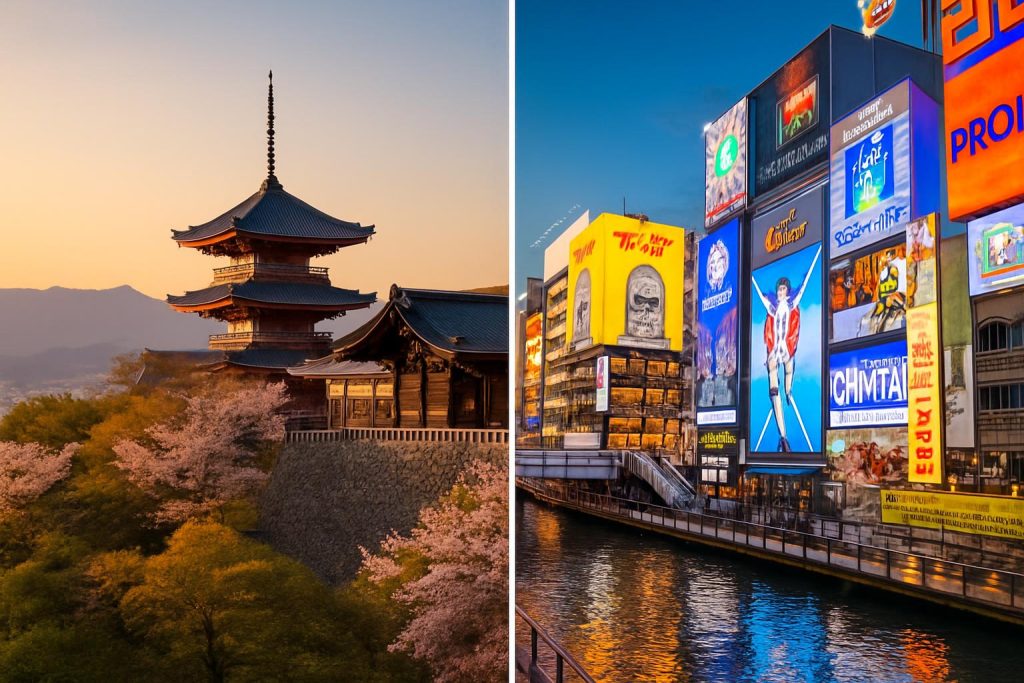
- Osaka is generally cheaper for accommodation, while Kyoto’s lodging tax rises from March 1, 2026.
- The two cities are about 15 minutes apart by bullet train, so you can easily base in one and day-trip to the other.
- Choosing the right base can swing your daily spend by ¥10,000 or more.
- Comparing hostel prices, transport passes, and food costs helps you do both cities without overspending.
The weak yen has made Japan one of the best-value destinations on earth for 2026, and Kyoto and Osaka sit just 15 minutes apart by bullet train — yet for budget travelers, the cost gap between them is real and growing. With Kyoto’s lodging tax rising from March 1, 2026 and accommodation there running consistently pricier, choosing the right base can swing your daily spend by ¥10,000 or more. This guide breaks down hostel prices, transport passes, food costs, and the new taxes with real 2026 numbers so you can decide where to sleep, where to play, and how to do both cities without blowing your budget.
Introduction: Why this choice actually matters for your wallet
Kyoto and Osaka anchor Japan’s Kansai region, and most first-timers assume they have to pick one. The good news is you don’t entirely — the trains between them are fast, frequent, and cheap. The trains between Osaka and Kyoto are fast (30-45 mins), frequent (every few minutes), cheap (starting at around ¥420) and utterly reliable. That single fact reshapes the whole “which is better” question: for budget travelers, the smarter framing is usually “where do I base myself, and which city do I day-trip to?”
The reason your base matters so much in 2026 comes down to money. Across nearly every accommodation category, the pattern is consistent. Osaka comes in at the lowest prices, Tokyo sits in the middle, and Kyoto runs the most expensive — particularly during peak season. On top of that, to combat over-tourism, the Kyoto city government has taken steps to raise tourist lodging tax and the cheap one-day bus pass has been replaced by a more expensive combined bus + subway pass. Those are exactly the line items budget travelers feel most.
This article assumes a backpacker or budget-minded traveler trying to keep total daily spend in a reasonable band. For context, a budget traveler can expect to spend around $50 to $100 per day in Japan, while a mid-range traveler can expect to spend around $150 to $250 per day. Where you fall in that range depends heavily on the city you base in, the season you visit, and how you handle transport and food. We’ll get specific on all three, with checkable prices and a decision framework at the end.
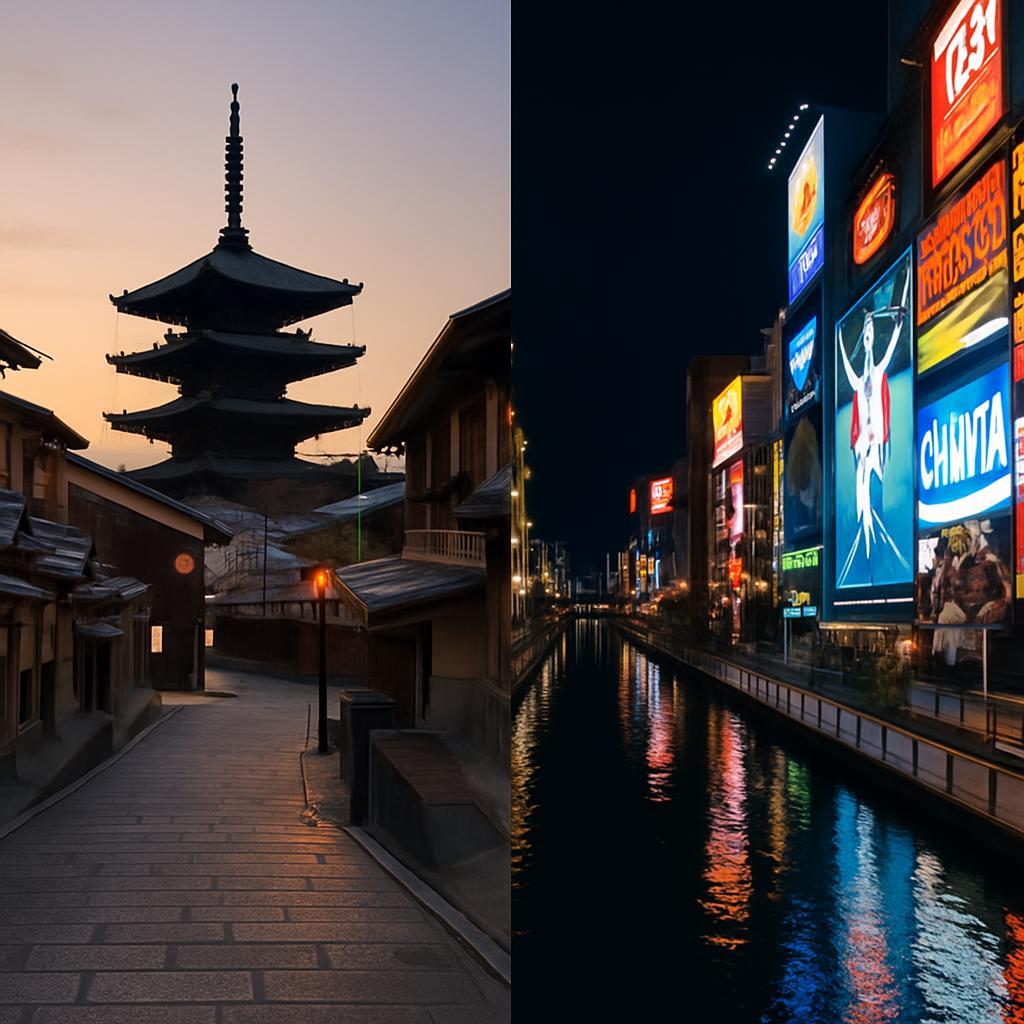
What should budget travelers look for when choosing between Kyoto and Osaka?
The four things that move your budget most are accommodation price, the local transport pass system, everyday food costs, and the new taxes — and on three of those four, Osaka currently wins for budget travelers. Kyoto’s edge is purely experiential: temples, gardens, and atmosphere you can’t replicate. So the real question is how much you’re willing to pay for “ancient Japan” ambiance versus stretching your yen further.
Accommodation: the single biggest variable
Where you sleep is almost always your largest expense in either city, and the difference is structural rather than seasonal. In most categories — especially hotels — Osaka is generally more budget-friendly. There’s a much wider choice of accommodation, especially in the cheaper to mid-range price bracket. On the ground, average hostel prices are surprisingly close between the two cities — the average price for a dorm bed in a hostel in Osaka is around $25, while the average price for a dorm bed in a hostel in Kyoto is around $24. The gap widens once you move up to private rooms and business hotels, where Kyoto’s peak-season spikes hit hardest.
Transport, food, and tax: the recurring costs
Beyond the bed, three recurring costs quietly shape your daily total. Restaurants matter: restaurants and bars, especially near tourist spots, tend to be more expensive in Kyoto than similar ones in Osaka. Transport passes differ in value too, which we’ll compare below. And the new lodging tax is a genuine 2026 change — the city has sharply increased its lodging tax on all Kyoto accommodations, from budget hostels to luxury ryokan, and the tax applies to everyone, whether you’re a visitor from abroad or a Japanese resident. For budget travelers the increase is modest in absolute terms, but it’s one more reason Osaka edges ahead on pure cost.
Which city is the better budget base for the Kansai region?
For most budget travelers in 2026, Osaka is the better base — it’s cheaper to sleep and eat, has a denser supply of hostels, and Kyoto is an easy day trip from there. Choose Kyoto as your base only if early-morning temple access and atmosphere outrank saving money. Here’s how that breaks down by traveler type.
Base in Osaka if you’re a backpacker or social traveler
Osaka’s hostel scene is dense, lively, and concentrated in walkable nightlife districts. Many cheap hostels in Osaka are located in Chuo-ku, Naniwa-ku, and Nishinari-ku, offering easy access to the city’s top attractions and public transport. The city itself is also one of the most affordable major destinations in Japan: Osaka is moderately priced by international standards and is one of the most affordable major cities in Japan — significantly cheaper than Tokyo and comparable to cities like Bangkok or Taipei at the budget level. A realistic budget day here is achievable: a realistic daily budget for Osaka is ¥8,000–12,000 ($53–80) for budget travelers, ¥21,000–35,000 for mid-range comfort.
The clincher for basing in Osaka is the day-trip math. Because the commuter trains start at around ¥420 and run constantly, you can sleep cheaply in Osaka and still catch Kyoto’s famous quiet hours. If you’ve been dreaming of those quiet, early hours in Arashiyama or the streets of Gion, you can still stay in Osaka and be in Kyoto before 6am. That neutralizes Kyoto’s biggest advantage — early temple access — without paying Kyoto’s room rates.
Base in Kyoto if atmosphere and certain side trips are priorities
Kyoto justifies its higher cost if the temples and traditional streetscapes are the whole point of your trip, or if you want a calmer, less neon environment. It’s also better positioned for a few specific excursions: Uji (for matcha and the Byodoin) and Kinosaki Onsen are more straightforward from Kyoto than from Osaka. The tradeoffs are real, though — you’ll pay more and fight crowds. Hotels cost more, especially at weekends and during peak seasons like cherry blossom and autumn leaves; the tourist lodging tax is rising; and overtourism is a genuine problem, with the most popular sights extremely crowded. Budget travelers can still find value: if you book the right type of property in the right neighborhood and avoid the two notorious peak windows, you can sleep within a 10-minute walk of Kyoto Station for under 6,000 yen a night, even in 2026.
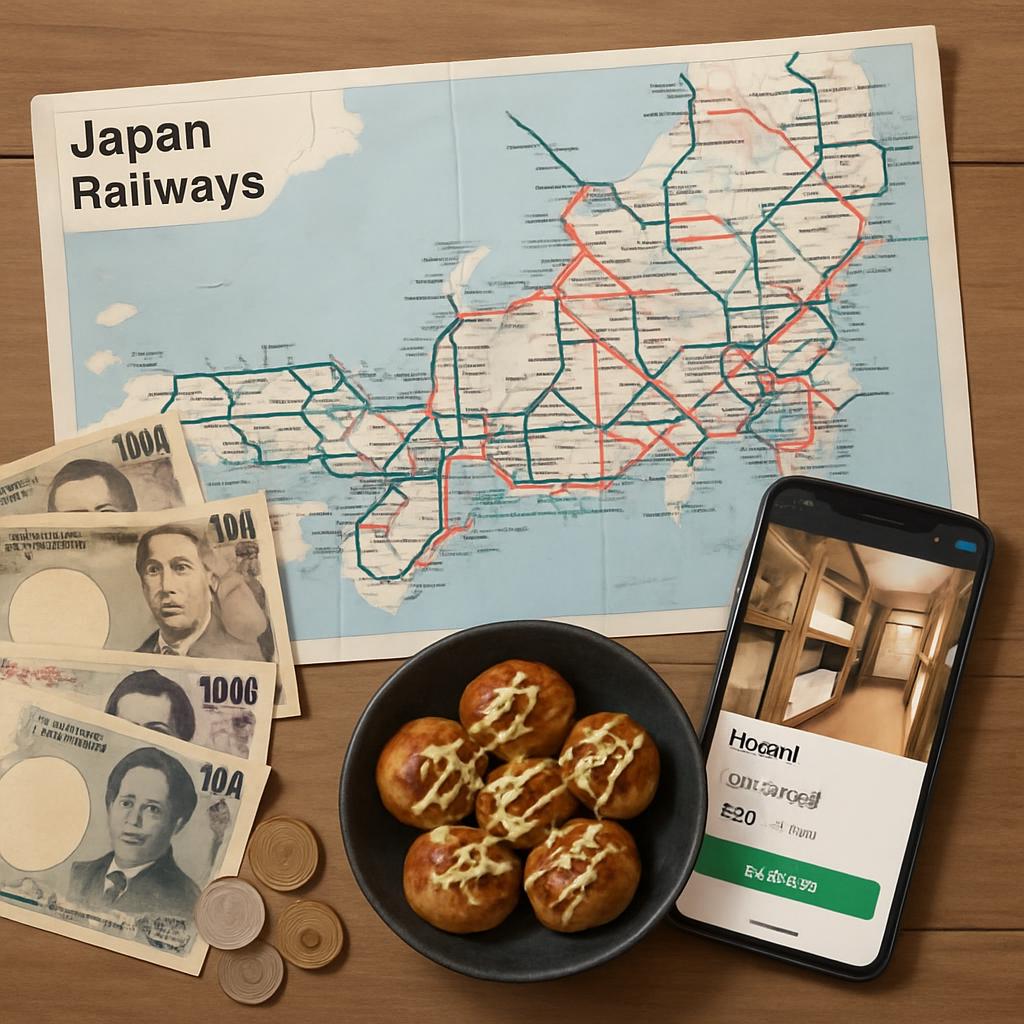
What do real-world prices and traveler data show for 2026?
Real 2026 data confirms the headline: Osaka is consistently the cheaper city, but Kyoto remains affordable for budget travelers who book smart and dodge peak windows. The differences show up most clearly in mid-range rooms, restaurant prices, and the new Kyoto lodging tax — not in the very cheapest dorm beds, which are similar in both cities.
On the ground, a budget day in Japan runs in a predictable band. For a typical tourist, expect to spend roughly ¥10,000-12,000 per day on a budget, ¥20,000-25,000 mid-range, or ¥40,000+ for luxury — covering hotel, food, local transport and one or two attractions. Accommodation is the lever you control most: cheap hotels and hostels in Japan run ¥2,500-5,000 for a dorm bed or ¥6,000-9,000 for a budget private room. Kyoto’s realistic floor is similar — about 3,500 yen for a hostel dorm bed or 5,000 yen for a capsule pod.
Where Kyoto bites is the mid-range tier during peak season, and it’s purely a calendar effect. A 9,500 yen business-hotel double in February can be the same room as a 17,000 yen booking on April 5 — there is no negotiation and no hidden inventory; the price is structural, so plan accordingly. The cheapest stretch of the year is winter: January and February see the lowest hotel prices of the year, with cold weather and limited tourism pushing rates 25-35% below baseline. One more Kyoto-specific trap to avoid: minpaku and Airbnb-style machiya stays often add a 3,000 to 6,000 yen cleaning fee and a late-check-in surcharge, which for a one or two-night stay can erase the apparent saving versus a business hotel — always compute the total per night including fees before deciding.
How do Kyoto and Osaka compare side by side on cost?
The table below puts the verified 2026 numbers in one place. Osaka leads on transport-pass value, restaurant prices, and lodging tax; Kyoto matches on dorm beds but loses ground on mid-range rooms and peak-season pricing. All figures are approximate and drawn from official or major-retailer sources; taxes and seasonal rates change, so confirm at booking.
| Cost factor | Osaka (2026) | Kyoto (2026) | Budget winner |
|---|---|---|---|
| Average hostel dorm bed | ~$25/night | ~$24/night | Tie |
| Budget daily total | ¥8,000–12,000 ($53–80) | ~¥10,000–12,000+ (peak spikes) | Osaka |
| City transport day pass | Metro+bus 1-day pass; Amazing Pass ¥3,800 (incl. ~40 attractions) | Subway & Bus 1-day pass ¥1,100; subway-only ¥800 | Depends on plan |
| Restaurant/dining prices | Lower (street food culture) | Higher near tourist sites | Osaka |
| 2026 lodging tax (budget room) | Lower-tier lodging tax (in place since 2017) | ¥200 under ¥6,000; ¥400 for ¥6,000–19,999 (from Mar 1) | Roughly even at budget tier |
| Peak-season room volatility | 40–70% above baseline | Highest of the three big cities | Osaka |
| Osaka–Kyoto commuter train | From ~¥420, 30–45 min, every few minutes | Either | |
A few notes on reading this table. The Osaka Amazing Pass is priced at ¥3,800 for the 1-day version in the 2026–27 sales period, and it only pays off if you sightsee hard — if you plan to visit three or more paid attractions per day and use the Metro five or more times, the numbers work firmly in your favor. If you’re a temple-hopping budget traveler who walks a lot, a plain Osaka Metro day pass or just an ICOCA card is cheaper. Kyoto’s combined Subway & Bus 1-Day Pass costs ¥1,100 for adults and covers unlimited trips on Kyoto City Bus routes, the municipal subway lines, and many Kyoto Bus, Keihan Bus, and West Japan JR Bus routes.
On the tax front, keep the numbers in perspective. For budget travelers the Kyoto change is small: budget travelers will see jumps from about ¥200 to ¥400, while mid-range rooms will jump from ¥500 to ¥1,000 per person. The dramatic headlines apply only to luxury — Kyoto can charge guests up to 10,000 yen (about US$68) per person per night at luxury hotels from March 2026, which simply doesn’t touch hostel and capsule travelers. One caveat that does affect you: most hotel prices, especially on third-party booking sites, do not include Kyoto’s lodging tax in the quoted rate.
How do you choose the right base and keep costs down?
Choose Osaka as your base if your priority is saving money, social hostels, and street food; choose Kyoto if atmosphere and early temple access matter more than budget. Then use the day-trip trains so you experience both cities regardless of where you sleep. Here’s a step-by-step checklist to lock in the cheapest realistic trip.
A step-by-step budget-base checklist
- Pick your base by priority: default to Osaka for lower nightly costs and cheaper dining; switch to Kyoto only if you’ll do multiple dawn temple visits or side trips to Uji/Kinosaki Onsen.
- Time your dates: avoid the cherry blossom (late March–early April) and autumn foliage windows if budget is tight — these are when Kyoto rooms spike hardest. January–February are the cheapest months.
- Book accommodation early for peak, late for off-peak: for peak season, book Kyoto hotels 3–6 months out; in regular season, 1–2 months is fine.
- Compute the all-in nightly price: add the lodging tax (often excluded from quoted rates) and any cleaning/late-check-in fees on machiya or Airbnb-style stays before comparing.
- Match the transport pass to your day: buy the Osaka Amazing Pass only on heavy-sightseeing days; otherwise use ICOCA pay-as-you-go. In Kyoto, the ¥1,100 Subway & Bus pass pays off once you take roughly four or more rides.
- Carry cash: plan for ¥10,000–15,000 per day in cash for smaller restaurants, temples, and local shops, and withdraw from 7-Eleven or JP Post ATMs.
Common budget mistakes — and the fix for each
- Mistake: defaulting to the JR Pass. Fix: for the classic Kansai loop it’s often not worth it. For most foreign visitors doing the classic Tokyo-Kyoto-Osaka triangle in two weeks, individual train tickets are now slightly cheaper than the JR Pass. Calculate your specific routes first.
- Mistake: taking the shinkansen between Kyoto and Osaka. Fix: use the ¥420-ish commuter trains instead — same cities, fraction of the cost, and they run constantly.
- Mistake: eating beside major Kyoto sights. Fix: walk a few blocks away or eat in Osaka, where dining is cheaper; lean on konbini and standing food where you can.
- Mistake: buying a sightseeing pass you won’t use fully. Fix: only buy the Amazing Pass if you’ll clear three-plus paid attractions in a day.
- Mistake: ignoring free attractions. Fix: budget around the many no-cost sights — many top sights are free, including Fushimi Inari and Osaka Castle Park, with temples typically ¥300–600, so you can keep attraction spending to ¥1,000–2,000 per day comfortably.
Whichever base you choose, remember that Japan’s value proposition right now is unusually strong. The weak yen in 2025–2026 has made Japan — and Osaka specifically — an exceptional value destination for visitors from the US, Europe, and Australia. The difference between a great-value Kansai trip and an expensive one is almost entirely down to the planning levers above, not the city you pick.
Conclusion: The bottom line for 2026
For most budget travelers in 2026, base in Osaka and day-trip to Kyoto. Osaka gives you cheaper rooms, cheaper food, a denser hostel scene, and no new lodging-tax headlines, while the ¥420 commuter trains let you still catch Kyoto’s temples at dawn before the crowds arrive. You genuinely get the best of both worlds without paying Kyoto’s premium — and that’s the single most important budget decision of the trip.
Kyoto still earns a place in your itinerary, and for some travelers it earns the base. If your trip is fundamentally about temples, gardens, traditional streets, and side trips like Uji, the extra cost can be worth it — especially if you travel in winter, book early, and steer clear of the cherry-blossom and autumn spikes. Just go in with eyes open about crowds and the higher dining and lodging costs near the major sights, and always check whether the lodging tax is baked into your quoted rate.
Either way, the underlying message for 2026 is encouraging: the weak yen, abundant free attractions, and excellent cheap hostels in both cities mean a Kansai trip remains one of the best-value experiences in world travel. Nail your base, your dates, and your transport passes, and you can comfortably keep a budget day in the ¥10,000–12,000 range while still eating well and seeing the icons of both cities. As always, prices, taxes, and pass terms change — verify current figures with official sources and your booking platform before you commit.
If you’re ready to start pricing out your trip, comparing hostels side by side across Osaka’s Namba and Shinsaibashi districts and Kyoto’s Shimogyo and Higashiyama areas is the fastest way to see the real cost gap for your exact dates. Booking platforms with free cancellation let you lock in early peak-season availability while keeping the flexibility to rebook if a better deal appears.
Frequently Asked Questions
Book Unforgettable Tours & Experiences
Skip the tourist traps. GetYourGuide connects you with top-rated local guides and hand-picked activities — with free cancellation on most bookings.
Disclosure: This post contains affiliate links. We may earn a commission at no extra cost to you.