
- A focused Angkor Wat trip can run on $30-45 a day plus your temple pass.
- The Angkor Pass costs $37 for one day, $62 for three days, and $72 for seven days in 2026.
- Pass pricing has stayed stable since 2019 despite global inflation.
- Accommodation and food are flexible, with $6 dorm beds and $2 street-food meals available.
Cambodia and Angkor Wat on a Budget in 2026: Why It’s Still One of Asia’s Best Value Trips
Cambodia remains one of Southeast Asia’s most affordable destinations in 2026, and a focused Angkor Wat trip can realistically run on $30–45 a day plus your temple pass. The single biggest fixed cost you cannot avoid is the Angkor Pass, which still sits at $37 for one day, $62 for three days, and $72 for seven days — pricing that has barely moved in years. Everything else, from a $6 dorm bed to a $2 street-food bowl, is genuinely flexible, which is exactly why budget travelers love this country.
That stability is unusual. According to multiple Siem Reap operators, the Angkor Wat temple pass pricing has remained stable since 2019, which is remarkable considering global inflation. Meanwhile compared to nearby countries like Thailand or Vietnam, Cambodia offers lower average costs for accommodation, food, and entrance fees. For a backpacker pricing out a multi-country Southeast Asia route, Cambodia is where your daily spend drops the most.
This guide is built for the traveler who wants real numbers, not vague reassurance. We’ll break down the exact 2026 temple-pass tiers, the visa changes that took effect for this year, a realistic daily budget across three traveler styles, a comparison of how to get around Siem Reap and between cities, and the mistakes that quietly inflate budgets. Treat every figure here as a planning baseline that you can verify against the official sources we link before you book.
What should you budget for an Angkor Wat trip in 2026?
Plan for roughly $30–45 per day as a budget backpacker, $60–100 as a mid-range traveler, and $150+ for comfort — with the Angkor Pass and your visa as separate one-time costs on top. The pass is the single unavoidable expense for foreign visitors, so build your itinerary around getting full value from it. Everything below the pass line is where your own choices decide the total.
For day-to-day spending, the data is consistent across recent sources. If you’re on a strict budget, you can expect to spend anywhere from $15-25 USD per day in Cambodia — hostels and food are cheap, and some days you may spend less than $15 if you only go sightseeing or relax. Add the temple pass and tuk-tuk and an active temple day lands higher. A widely cited aggregate puts the typical figure higher: a typical traveler spends $74 per day on a trip to Cambodia — the average daily price based on the expenses of other visitors. The gap between $25 and $74 is almost entirely lifestyle: dorms versus AC doubles, street food versus Western restaurants, shared minivans versus private tuk-tuks.
One detail that catches first-timers off guard is currency. Cambodia uses two currencies — the Cambodian Riel (KHR) and the US dollar — used interchangeably, with USD most common for larger purchases (anything over a few dollars), and change usually given in riel. In 2026, exchange rates remain stable — $1 USD equals around 4,100 KHR — making price conversions simple for travelers. Carry clean, undamaged USD notes for bigger payments and keep small riel for street stalls, tuk-tuk fares, and tips.
How much does the Angkor Pass cost, and which ticket is best for your trip?
The Angkor Pass comes in three tiers — 1-day ($37), 3-day ($62), and 7-day ($72) — and for most first-time visitors the 3-day pass is the clear value winner. The 1-day pass lets you go multiple times during the same day, the 3-day pass is valid for 3 entries during a period of 10 days, and the 7-day pass is valid for 7 entries during a period of 30 days. That flexibility matters: you don’t have to use consecutive days, so weather or fatigue won’t waste a ticket.
The math strongly favors multi-day passes. Three single-day passes would cost $111, making the 3-day pass a $49 savings. There’s also a useful timing trick worth knowing: the single-day pass is valid for the day of purchase — or for the next day if bought after 4:45 PM — making it ideal for catching a sunrise. Children get a break too: children under 12 years old are not required to purchase an entrance ticket, however a passport must be shown as proof of age.
Which pass fits which traveler?
If you have a single packed day, the 1-day pass covers the icons. One day is possible but limits you to just the main temples — Angkor Wat, Bayon, and Ta Prohm. Most travelers regret rushing. Most first-time visitors find three days ideal for exploring major temples without feeling rushed, and the 3-day pass works out to roughly $20.67 per visit day while leaving room to skip a day. The 7-day pass is overkill unless you’re a photographer or returning visitor chasing different light and seasons.
Where to buy and what’s covered
Tickets are sold at the official Angkor Enterprise office and increasingly online. The self-service ticket office at the Angkor Wat entrance sells all pass types with staff assistance, credit card payments are accepted, and no advance booking is required — you can purchase on arrival without missing sunrise or sunset. Note coverage limits: the system covers most major temples including Beng Mealea, but requires separate tickets for UNESCO sites like Koh Ker. Budget a little extra if you plan day trips beyond the core park.
What does a real-world daily budget look like in Siem Reap?
A realistic budget day in Siem Reap breaks down into accommodation, food, temple transport, and the pass amortized across your visit. Backpackers can keep the non-pass total near $25–30; mid-range travelers sit around $60–75. The numbers below come from current operator and traveler reports, not guesswork.
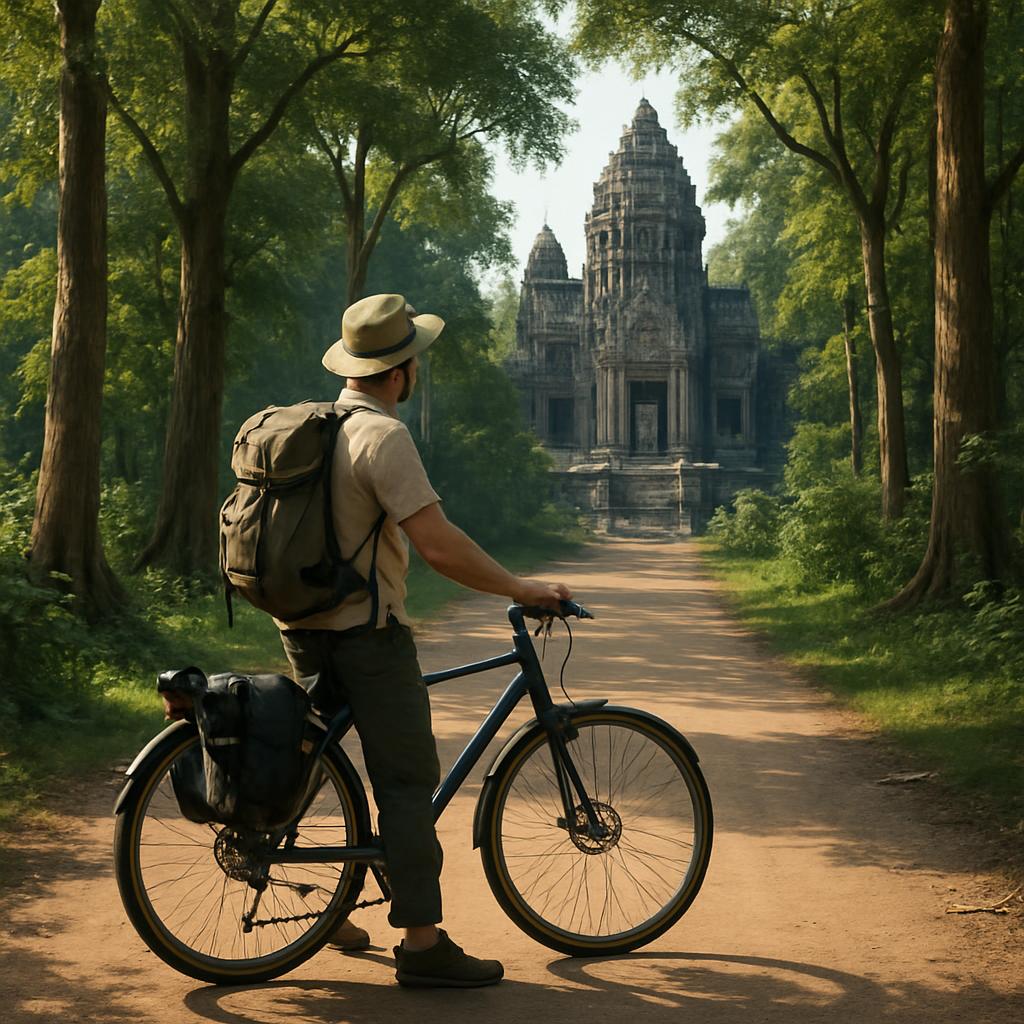
On lodging, budget backpackers can snag dorm beds for $5-8 in vibrant Siem Reap guesthouses near Pub Street, while mid-range AC doubles with a pool run noticeably more. Food is where Cambodia shines for thrift: street food meals cost $2-3, while Western restaurants charge $5-10 per dish in tourist areas, and local dining costs 60-70% less than hotel restaurants. For temple transport, tuk-tuk rentals cost $20-25 per day for temple hopping, while bicycle rentals are only $5-6 per day. Splitting a tuk-tuk between two or three people is the single best way to cut that line.
Two recurring add-ons belong in every budget. First, travel insurance: it’s strongly recommended — medical care is affordable for minor issues but serious problems require evacuation to Bangkok or home ($10,000-50,000), and insurance costs around $2-4 daily. Second, connectivity. A local eSIM keeps data cheap, and seasonal timing affects every line item: peak season (November-April) prices are 20-30% higher than low season across all categories, and booking directly with local operators saves 30-50% compared to international platforms.
How do the main Angkor budget choices compare?
The table below compares the real, current 2026 costs for the decisions that actually move your budget — your temple pass, how you get around the park, where you sleep, and how you travel between cities. Prices are drawn from official operators and current listings; treat them as typical ranges and confirm before booking.
| Item | Budget option | Typical cost (2026) | Best for |
|---|---|---|---|
| Temple pass | 3-day Angkor Pass | $62 (3 visits / 10 days) | Most first-timers; best value |
| Park transport | Bicycle rental | $5–6 / day | Fit travelers, cooler months |
| Park transport | Tuk-tuk (shared) | $20–25 / day (split 2–3 ways) | Comfort, hot season, groups |
| Accommodation | Hostel dorm near Pub Street | $5–8 / night | Solo backpackers |
| Food | Street-food meal | $2–3 per dish | Everyone watching spend |
| Intercity travel | Phnom Penh ⇄ Siem Reap bus | ~$17 (Giant Ibis); $10–20 budget lines | Safe, reliable overland |
| Entry | Tourist e-Visa / visa on arrival | $30 (official) | Most nationalities |
On intercity travel, the most popular route is well served. Giant Ibis tickets cost about $17 USD per person one-way and can be purchased online on the Giant Ibis website. Cheaper minivans exist — the cheapest way to get from Siem Reap to Phnom Penh is a minivan which costs $10-17 and takes around 6 hours — but many travelers pay a small premium for Giant Ibis because of its great safety record, good customer service, and participation in conservation efforts for the Giant ibis bird species.
On the visa line, confirm your nationality’s exact figure: the official tourist e-Visa is $30 and allows a 30-day stay with the possibility of a single 30-day extension, and crucially, the e-Arrival Card is a mandatory digital immigration form that all air arrivals must complete within 7 days before arrival, is separate from your visa, free of charge, and submitted at arrival.gov.kh. Beware third-party sites charging more — some quote a standard fee of $36++, which excludes the visa processing fee.
How do you plan an Angkor Wat trip that doesn’t blow the budget?
Choose the right season, the right pass, and the right transport split — those three decisions account for most of the variance between a cheap trip and an expensive one. Start with timing, because it cascades into every other cost. The consensus is clear: the best time to visit Siem Reap is November to February for cool, dry weather and perfect temple conditions. The catch is price: that’s also peak season with crowds and higher rates.
Common budget mistakes and the fix for each
Mistake 1 — buying single-day passes for a multi-day visit. The fix: get the 3-day pass and spread visits, saving $49 versus three single tickets. Mistake 2 — paying inflated visa fees on copycat sites. The fix: use the official $30 e-Visa portal and complete the free e-Arrival card yourself. Mistake 3 — riding a private tuk-tuk solo. The fix: split the $20–25 daily rate two or three ways, or rent a $5–6 bicycle in cooler months. Mistake 4 — eating only in tourist restaurants. The fix: alternate $2–3 street meals with the occasional sit-down, since local food costs 60–70% less than hotel dining.
Squeeze more value from your timing
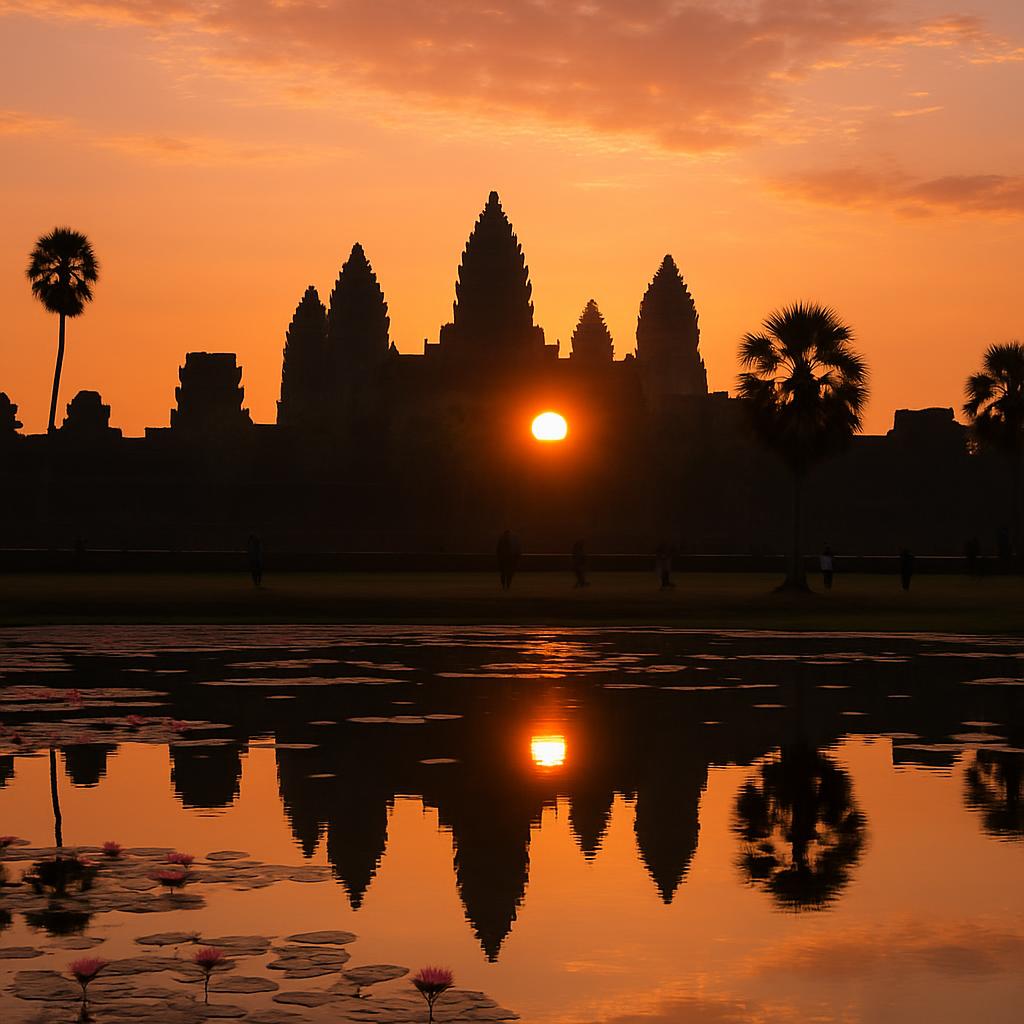
If you can flex your dates, the shoulder window is the budget sweet spot. Travel in late October or early March and conditions stay comfortable while well-known attractions are less crowded. Low season pays off too: May to October offers 30-50% accommodation savings plus potential tour discounts. There’s even a photographer’s bonus — the moats around Angkor Wat fill to capacity, giving mirror-perfect reflections on calm mornings, which is why many photographers specifically choose October. For sunrise, plan an early start: most guides advise being in position before the tour buses arrive, around 4:45–5:15 AM.
The Bottom Line: Cambodia Is Still a Budget Traveler’s Bargain in 2026
Cambodia delivers world-class history at backpacker prices, and 2026 is a great year to go because the costs that matter most haven’t spiked. Your Angkor Pass is still $37/$62/$72, your tourist visa is $30 official, and a disciplined traveler can cover accommodation, food, and park transport for $25–35 a day on top of those fixed items. The three decisions that determine your total — pass tier, season, and how you split transport — are entirely within your control.
If you take only three things from this guide: buy the 3-day pass and pace yourself, use the official $30 e-Visa and free e-Arrival card rather than markup sites, and split a tuk-tuk or rent a bicycle instead of paying solo premiums. Layer in a $2–4/day travel insurance policy given the real evacuation risk, carry clean USD plus small riel for change, and aim for the shoulder months if you want dry-season weather without peak-season prices.
A final note on accuracy: prices in Cambodia shift with season and operator, and visa rules can change — for example, there are 2026 trial exemptions for some nationalities. Always confirm pass prices with Angkor Enterprise, visa fees on the official evisa.gov.kh portal, and bus fares directly with operators before you commit money. For health, insurance, and any medical decisions, verify details with qualified providers rather than relying on a single article. Plan with these real numbers, stay flexible, and Cambodia will reward you with one of the best value trips in Asia.
Recommended Gear and Booking Tools for Your Cambodia Trip
A few practical purchases make a budget Angkor trip smoother without adding much cost. A lightweight, breathable daypack and a refillable water bottle handle long temple days in the heat; a quick-dry travel towel and modest temple-appropriate clothing (covered shoulders and knees) save you from being turned away at Angkor Wat. A power bank keeps your phone alive for 4:45 AM sunrise photos, and a local eSIM gives you cheap maps and ride data from the moment you land.
For booking, compare bus fares across reliable operators like Giant Ibis for the Phnom Penh–Siem Reap route, reserve hostels near Pub Street in advance during November–February peak, and buy your Angkor Pass and e-Visa only through official channels. A solid travel-insurance policy with medical evacuation coverage is the one item you should never skip given the real cost of an emergency airlift.
Frequently Asked Questions
Book Unforgettable Tours & Experiences
Skip the tourist traps. GetYourGuide connects you with top-rated local guides and hand-picked activities — with free cancellation on most bookings.
Disclosure: This post contains affiliate links. We may earn a commission at no extra cost to you.